




- Lead News
- International
The Hindu Report: How the Youth Movement Has Reshaped India's Traditional Political Landscape
- লিড নিউজ
- International
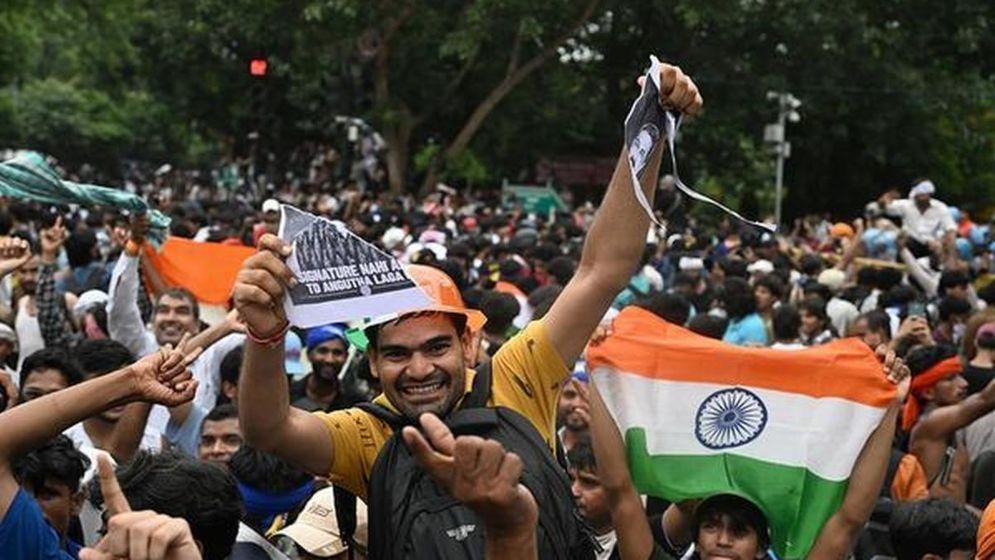
Photo: Collected
News Desk: The political movement led by India's Generation Z at New Delhi's Jantar Mantar has significantly reshaped the country's conventional political narrative. The movement illustrates how today's youth have transformed their frustration and disappointment into a new political identity, moving beyond traditional political parties and conventional campaigning.
Initially driven by issues such as unemployment, widespread corruption in the education system, and repeated leaks of competitive examination question papers, the movement has grown beyond a set of specific demands. Instead, it has evolved into a broader challenge to the legitimacy of the country's existing political structure.
One of the movement's defining features has been its effective use of satire and symbolic language. Derogatory terms used by members of the judiciary and other senior figures to dismiss youth unemployment and the protests were cleverly reclaimed by Gen Z, turning them into symbols of identity and resistance.
Without a central leadership or the backing of any formal political party, the movement spread among thousands of young people through social media memes, videos, and digital campaigns. By attracting participants from different religions, communities, and social backgrounds, it transcended the boundaries of traditional politics, making it difficult for the government to portray it as a movement serving the interests of any particular group.
As a result, this spontaneous and youth-led wave of protest is widely seen as signaling a new and profound shift in the future of Indian politics.
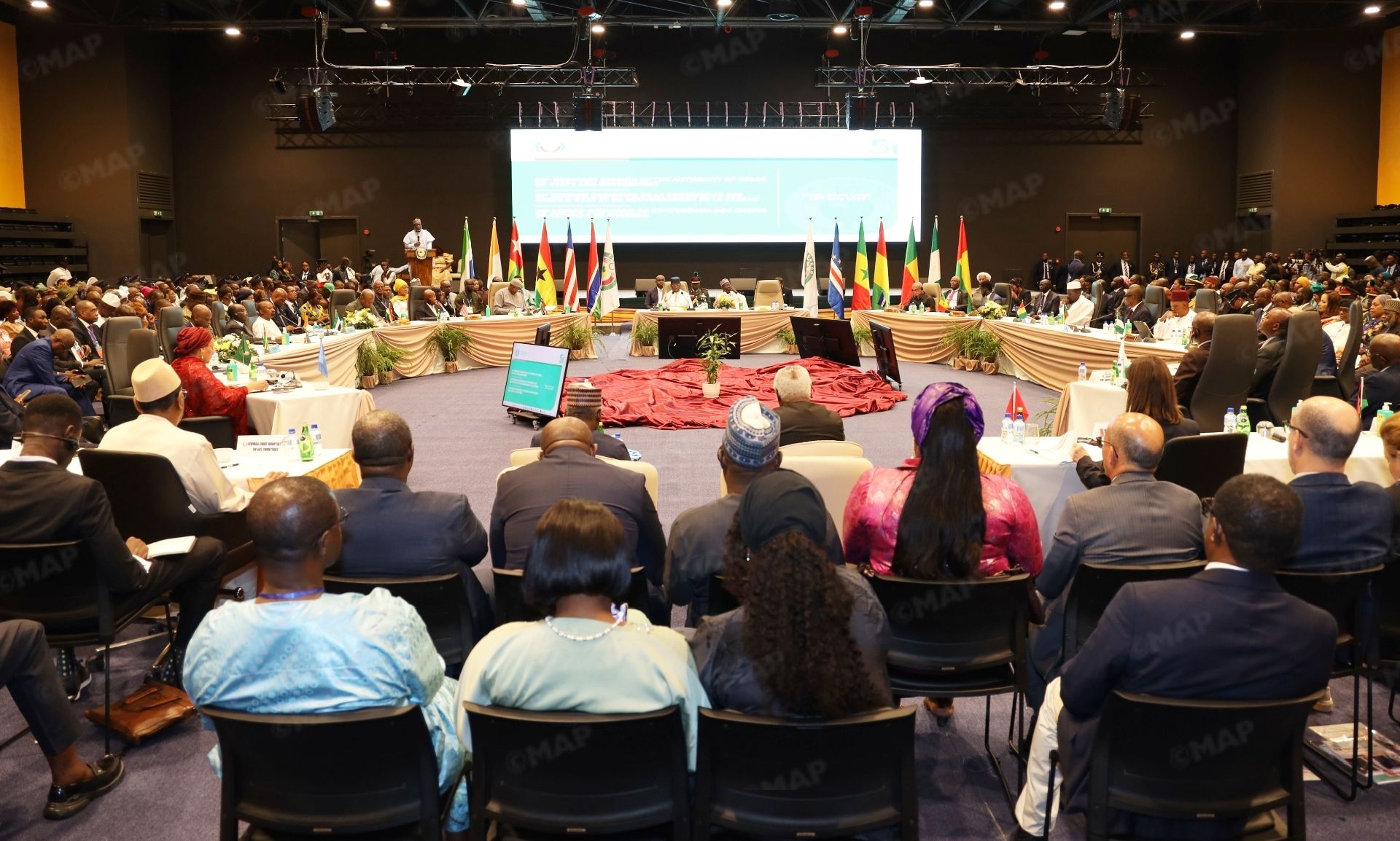
ECOWAS Member States Endorse Nigeria-Morocco African Atla...
1
Staff Correspondent: The Summit of Heads of State and Govern...

Sarnath's Ancient Buddhist Site Inscribed on UNESCO World...
2
Staff Correspondent: India's Ancient Buddhist Site at Sa...
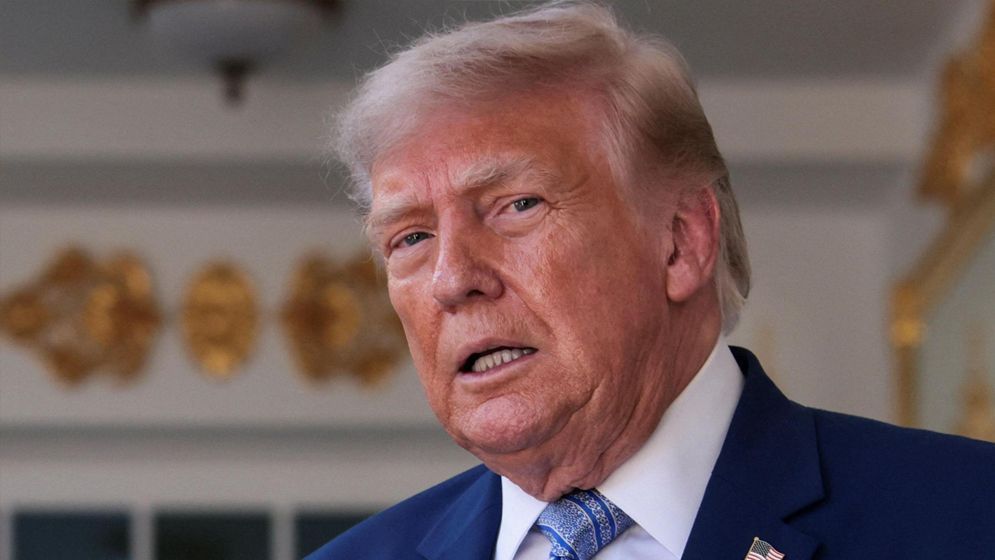
Iran is now giving importance to discussions: Trump
3
News Desk: U.S. President Donald Trump has commented that Iran is now giving ...

UPI transactions surge over 5 years; 12 countries adopt I...
4
The Unified Payments Interface (UPI) has surged over the past five years. Launched by the Nati...
Khalil Al-Hayya Named Hamas’ New Political Chief
5
Palestinian group Hamas has announced Khalil Al-Hayya as the new head of its ...



মন্তব্য (0)