

- Education
How SSC and HSC Examination Question Papers Are Prepared
- Education
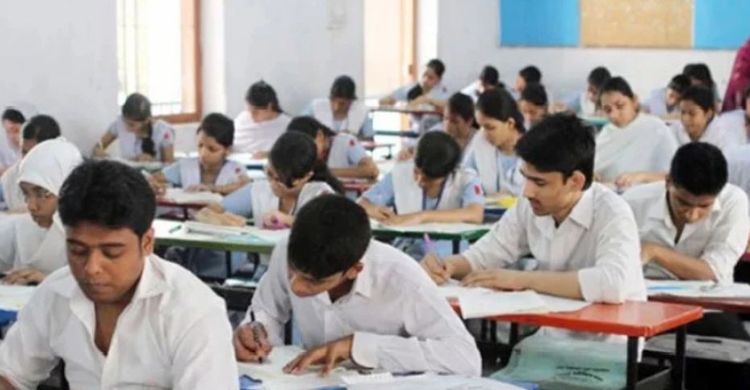
Photo: Collected
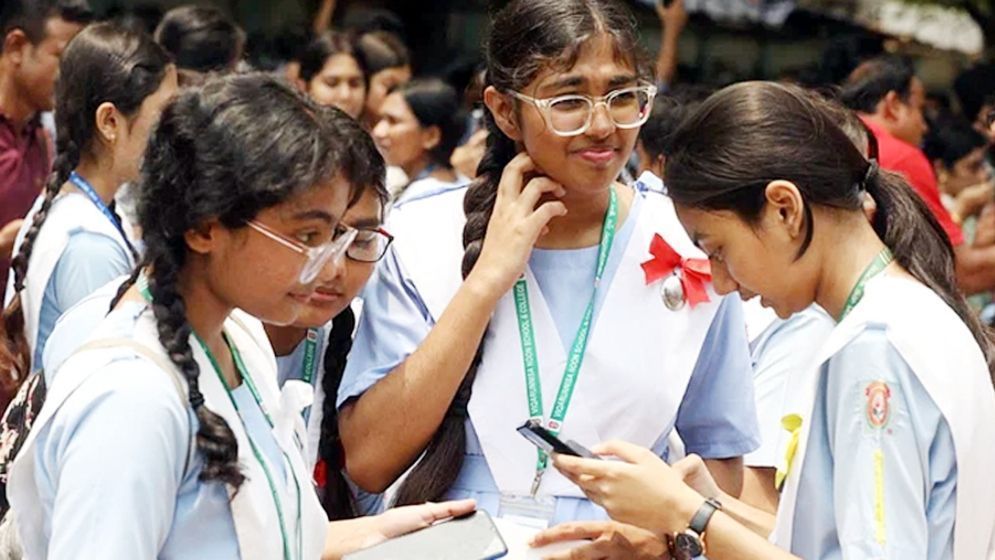
News Desk: Errors found in a Higher Secondary Certificate (HSC) Physics First Paper have sparked outrage among students and parents, raising concerns over how mistakes in a high-stakes public examination paper could pass through multiple stages of scrutiny before reaching examination halls.
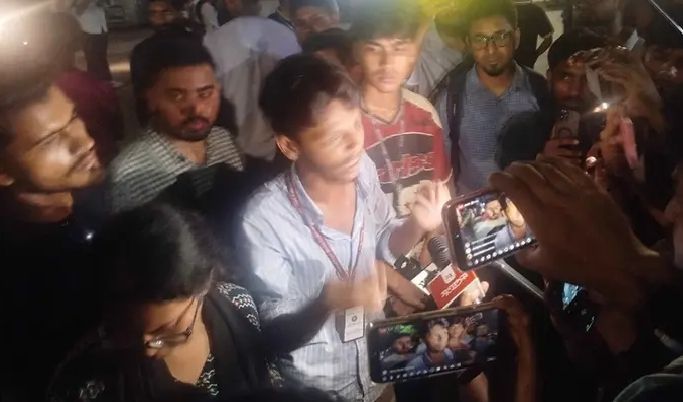
Following widespread criticism on social media and public protests, the Ministry of Education acknowledged that two creative (written) questions in the Physics First Paper contained errors.
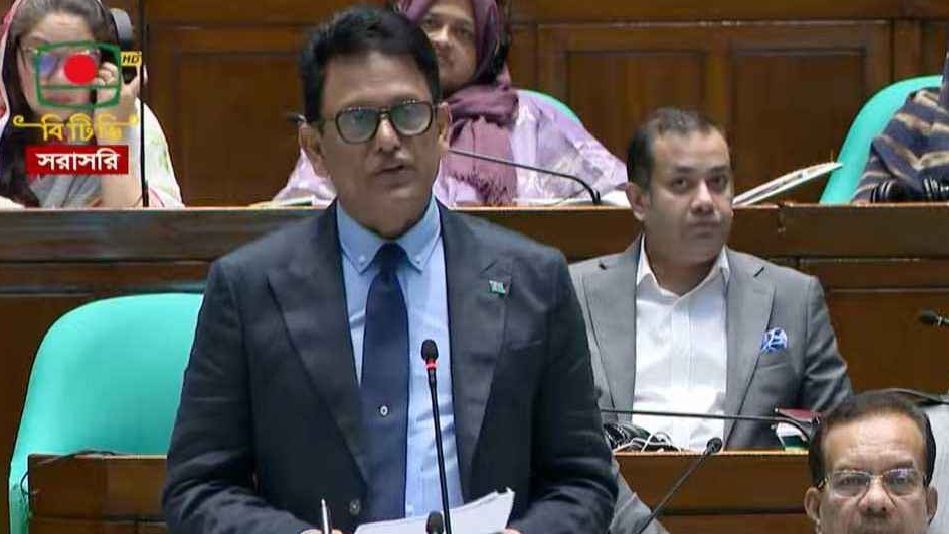
Education Adviser A.N.M. Ehsanul Haque Milon apologized for the inconvenience but said the question papers had been prepared before the current administration assumed office.
"We have been in office for only four months. The previous question moderators prepared these papers. As you know, the moderation process begins nearly two years in advance. We did not have the opportunity to prepare new question papers. The moderators appointed under the previous government were responsible," he said.
The adviser also announced that students would receive full marks for the erroneous questions during evaluation and confirmed that the teachers responsible for finalizing the paper had been temporarily suspended.
Education board officials say the process of preparing SSC and HSC examination papers is highly sensitive, confidential, and time-consuming.
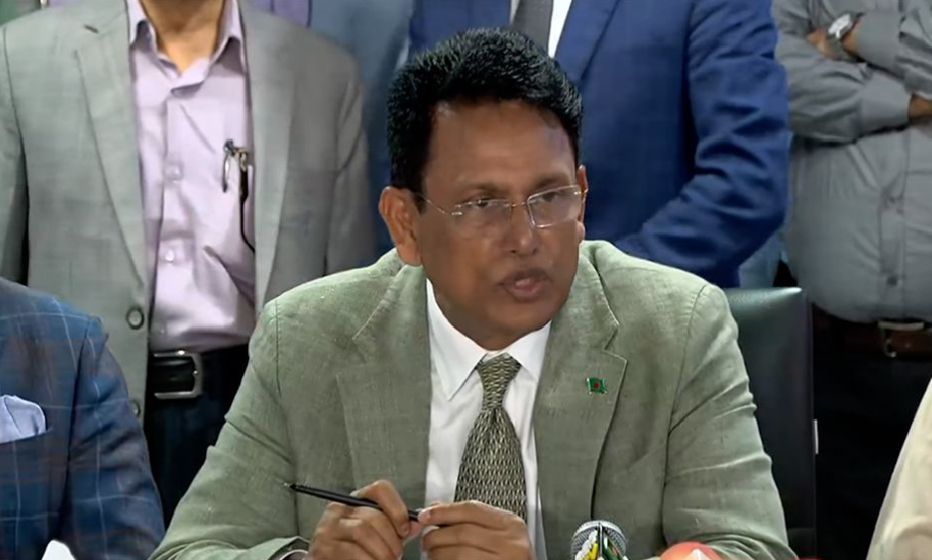
According to S.M. Hossain Ali, Controller of Examinations at the Jessore Board of Intermediate and Secondary Education, a question paper passes through several stages before reaching examination centers, with selected teachers and officials involved under strict confidentiality.
Drafting the Question Papers
The government has introduced a unified question paper system for all nine general education boards for SSC and HSC examinations.
Accordingly, this year's HSC examinations, which began on July 2, are being held simultaneously across all general education boards using identical question papers.
Each subject includes both multiple-choice (MCQ) and creative (written) sections.
Jesmin Taslima Banu, Controller of Examinations at the Dhaka Board of Intermediate and Secondary Education, said the preparation of this year's question papers began last year.
Each education board maintains a panel of experienced, specially trained teachers responsible for question setting. From this panel, four teachers are assigned independently to prepare draft question papers for each subject.
Teachers are given a fixed timeframe to prepare questions based on the approved syllabus. Each teacher works separately, without knowing the contents of the others' papers.
During the drafting process, teachers work in designated board offices under strict security. They remain isolated from outside communication, and mobile phones, cameras, and recording devices are prohibited. Once completed, each draft is sealed in an envelope and submitted to the education board.
Review and Moderation
After the initial drafts are submitted, another four teachers are appointed to review, edit, and improve the papers.
These moderators may correct errors, revise questions, or even replace an entire paper if necessary.
Like the original question setters, moderators remain isolated throughout the process and are not allowed to leave the designated room, even for meals, to ensure confidentiality.
After completing their work, they seal the revised papers and submit them to their respective education boards.
Final Selection
Following moderation, each education board prepares four finalized sets of question papers for every subject.
The sealed sets are then sent to the Inter-Education Board Coordination Committee in Dhaka, chaired by the Chairman of the Dhaka Education Board.
Officials from all education boards gather there, where a lottery is held to select the final question sets.
Two selected sets are sent to the Bangladesh Government Press (BG Press) for printing, while the remaining two are kept as reserve papers for emergencies, such as postponed examinations caused by floods or other natural disasters.
Although a single question paper is now used nationwide, all nine general education boards continue preparing their own sets, resulting in a total of 36 question paper sets being submitted to the coordination committee each year.
Printing and Distribution
Once the final sets are selected, they are sent to BG Press several months before the examinations begin.
The government press prints the required number of question papers according to the number of registered candidates for each board. Officials involved in printing also work under strict security to prevent leaks.
After printing, the sealed packets are transported under law enforcement supervision to district treasuries, where they are stored in secured iron trunks.
A few days before each examination, the packets are distributed to upazila-level police stations before being delivered to examination centers under police escort on the morning of the exam.
On the examination day, the Chairman of the Inter-Education Board Coordination Committee selects one of the two printed question sets through a final lottery about 40 to 50 minutes before the exam begins.
The selected set is immediately communicated to all education boards and district administrations. Examination centers are instructed to open only that specific packet, while the unused set is returned unopened to the board office.
Why Do Errors Still Occur?
Education officials say the multi-layered preparation process leaves little room for mistakes, although printing errors occasionally occur.
However, the recent mistakes in the HSC Physics First Paper were not printing errors.
According to S.M. Hossain Ali, the incident appears to have resulted from negligence during question preparation and moderation.
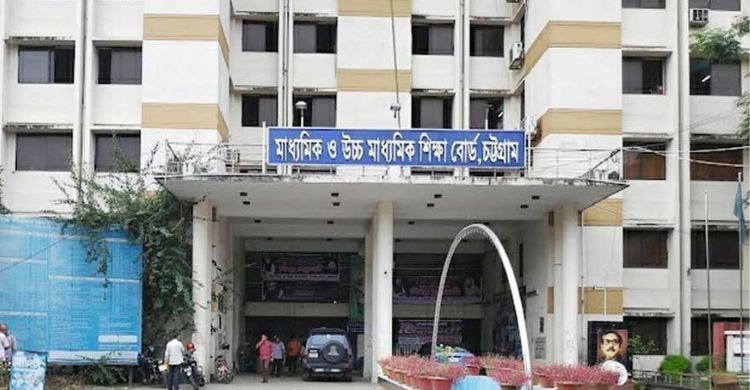
An investigation by the Inter-Education Board Coordination Committee found that the question paper had been prepared and reviewed by several teachers affiliated with the Sylhet Education Board. Disciplinary action is now being taken against those responsible, officials said.

Open Doors Olympiad Offers Tuition-Free Higher Education ...
1
Staff Correspondent: The Russian House in Dhaka invites tale...

Government to deliver 100% of books to upazilas by Novemb...
2
News Desk: The current BNP-led government aims to deliver revised textbooks t...
Final Results for Class XI Admission Released
3
News Desk: The final results for admission to Clas...
‘All Educational Institutions in the Country Are Coming U...
4
News Desk: State Minister for Primary and Mass Edu...
Emergency Directive from the Directorate of Secondary and...
5
News Desk: The Directorate of Secondary and Higher...



মন্তব্য (0)