






- Financial
Bangladesh Government to Procure Another 500,000 Tons of Fuel Oil
- Financial
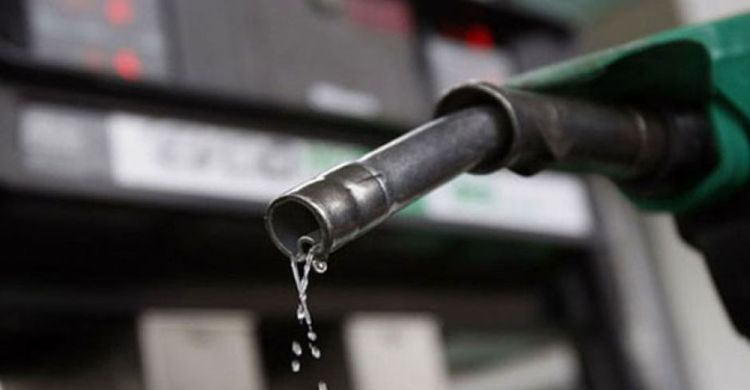
Photo: Collected
Amid ongoing geopolitical tensions in the Middle East, the government has decided to purchase nearly 500,000 metric tons of fuel to strengthen the country's strategic fuel reserves. The move is aimed at ensuring uninterrupted economic and commercial activities while meeting domestic energy demand.
Under the new plan, Bangladesh will import 480,000 metric tons of fuel based on its target of maintaining a 90-day reserve. The shipment will include 390,000 metric tons of diesel (gas oil) and 90,000 metric tons of jet fuel.
The fuel will be supplied by Singapore-based Unipec Singapore Pte. Ltd. at an estimated cost of Tk 76.73 billion (approximately Tk 7,672.66 crore).
According to the Energy and Mineral Resources Division, the Bangladesh Petroleum Corporation (BPC) is procuring the fuel through an international open tender. The proposal has already received policy approval from the Cabinet Committee on Government Purchase.
Confirming the development, Monir Hossain Chowdhury, Joint Secretary of the Energy and Mineral Resources Division, said the government generally imports fuel—particularly diesel and jet fuel—every six months based on domestic demand. BPC submitted its procurement proposal to meet demand for June, July, and August, which was subsequently approved by the Cabinet committee.
He added that the ministry has issued the necessary administrative clearance to BPC. The corporation will now issue a Notification of Award (NOA) to the supplier, after which fuel deliveries will begin.
BPC officials said the decision comes at a time when renewed geopolitical instability across the Middle East and security concerns surrounding the Strait of Hormuz have created significant volatility in global energy markets. They said the government's initiative, under the leadership of Prime Minister Tarique Rahman, is intended to safeguard Bangladesh's energy security, support industrial production and agriculture, and ensure uninterrupted air transport.
Md. Mizanur Rahman, BPC's Manager (Trade and Operations), said the Cabinet Committee approved the international tender on June 10, and BPC received the official approval letter on June 17. The NOA has already been issued to the selected supplier, and fuel deliveries are expected to begin soon after the final contract is signed.
He noted that the government's objective is to maintain 90 days' worth of fuel reserves at all times. Bangladesh currently has reserves sufficient for approximately 60 days, and regular imports will continue every six months to meet demand.
Financial Cost and Dollar Requirement
In a proposal submitted on May 24, BPC estimated that imports for the June–August period would require up to 390,000 metric tons of diesel and 90,000 metric tons of jet fuel. Based on the Sonali Bank exchange rate of Tk 123.25 per US dollar on May 13, the total estimated cost of the imports is US$622.53 million, equivalent to approximately Tk 76.73 billion (Tk 7,672.66 crore).
BPC noted that the final cost could vary depending on fluctuations in international oil prices and exchange rates. The imports will be financed through BPC's own funds, with loans or government support if necessary.
Global Market Conditions
According to BPC's proposal, geopolitical tensions in the Middle East since March 2026 have driven global fuel prices significantly higher. Security concerns in the Strait of Hormuz have forced vessels to use longer alternative routes, increasing transit times and shipping costs. In addition, insurers have imposed higher war-risk premiums, while freight charges have also risen.
The proposal stated that the current market situation is even more challenging than during the Russia–Ukraine war in 2022. While diesel prices peaked at US$178.91 per barrel in 2022, they reportedly reached a record US$284.95 per barrel on April 2, 2026. Average diesel prices increased from US$85.997 per barrel in February to US$187.904 per barrel in April, representing a 118.5% increase.
Despite the higher premium resulting from global market instability, BPC's tender evaluation committee considers the winning bid reasonable under current market conditions because it was secured through an open international competitive bidding process.
No Fuel Shortage in the Country
Officials from the Energy Division emphasized that Bangladesh is currently facing no shortage of fuel. Existing reserves are sufficient to meet demand for the next 60 days, and government priority in opening letters of credit (LCs), despite foreign exchange constraints, is expected to prevent any disruption in fuel supply.
Joint Secretary Monir Hossain Chowdhury said there is no indication of any interruption or crisis in the country's fuel supply chain.
Ministry officials also said that the government is implementing an automatic fuel pricing mechanism aligned with international market trends, which is expected to provide long-term price stability for consumers. At the same time, efforts are underway to expand the country's fuel storage capacity to better prepare for future emergencies and ensure uninterrupted fuel supplies for industry and agriculture.

Bangladesh and Kosovo discuss FTA to boost bilateral trade
1
News Desk: Bangladesh and Kosovo discussed initiat...

Foreign Exchange Reserves Surpass $37 Billion Again
2
News Desk: The country’s foreign exchan...

Gas, Power Shortages Put Industrial Sector Under Severe S...
3
News Desk: A nationwide shortage of gas and electricity has ...
LP gas prices increased further
4
News Desk: Bangladesh Raises LPG Prices for August
The Bang...
Gold Prices Drop in Global Market
5
News Desk: Gold prices in the international market have declined due to risi...



Comment (0)