



- Lead News
- Diplomatic News
BIMSTEC Marks 12 Years of Secretariat in Dhaka; Secretary General Highlights Regional Cooperation, Reforms and Future Vision
- লিড নিউজ
- Diplomatic News
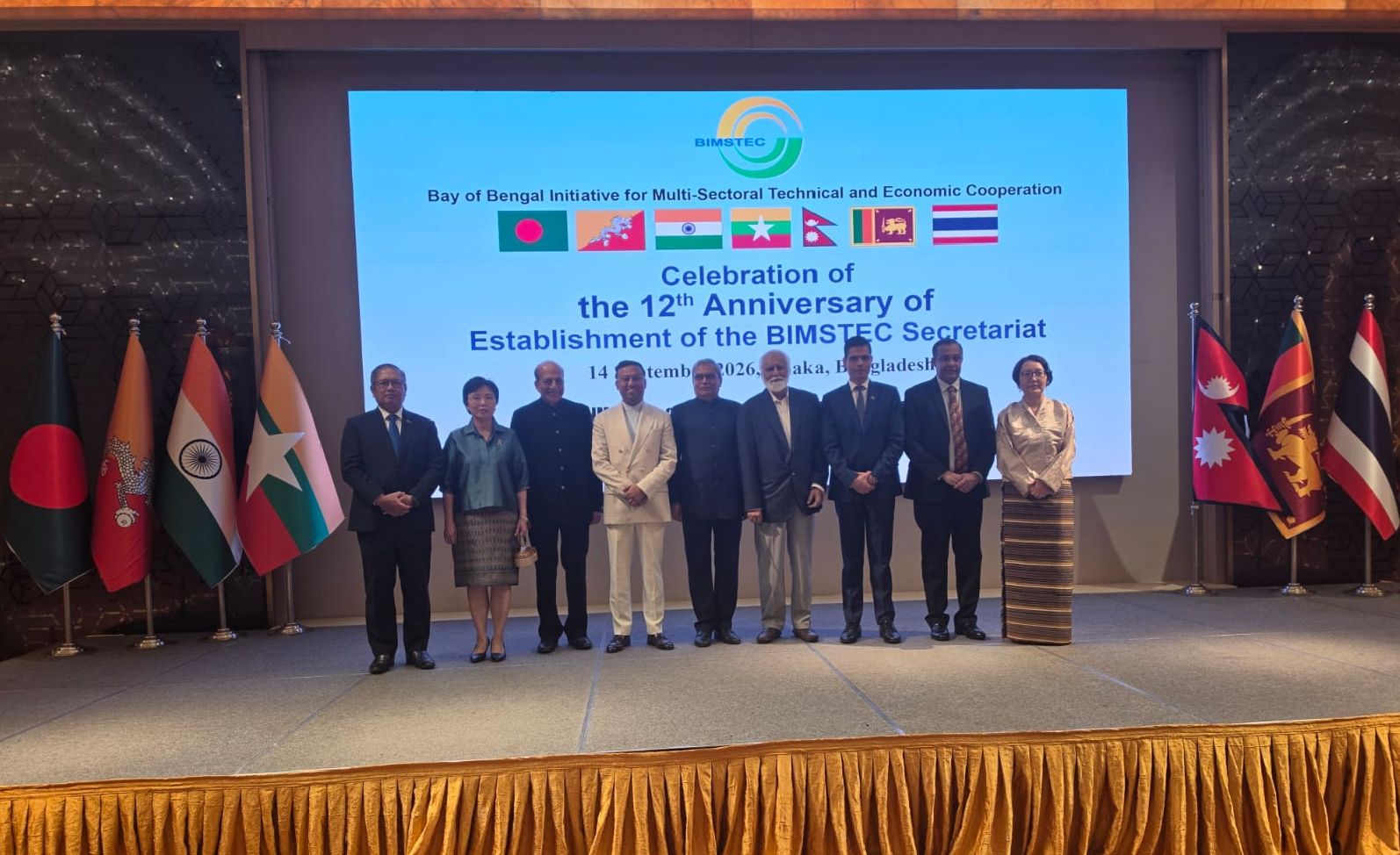
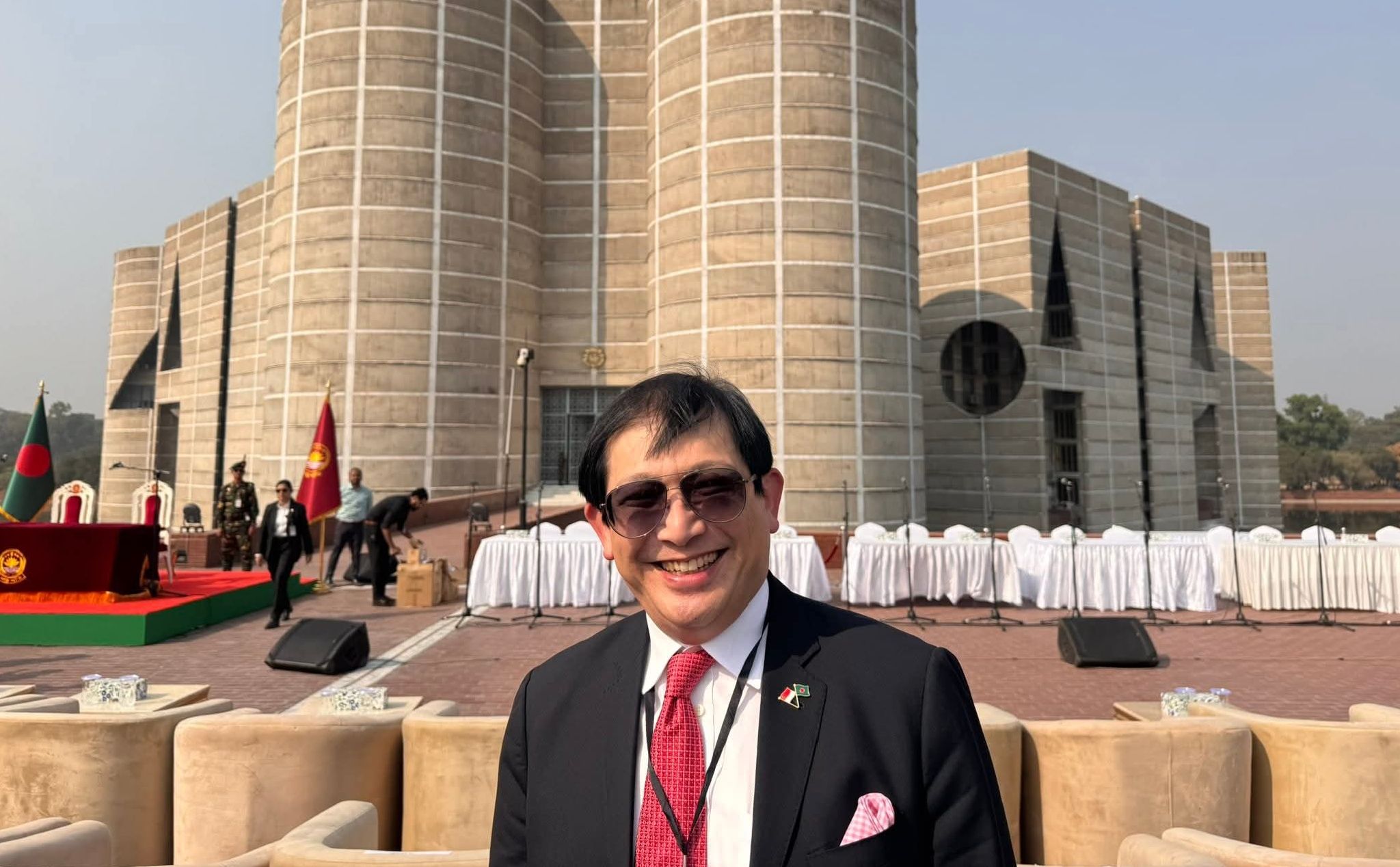
Photo: CNI
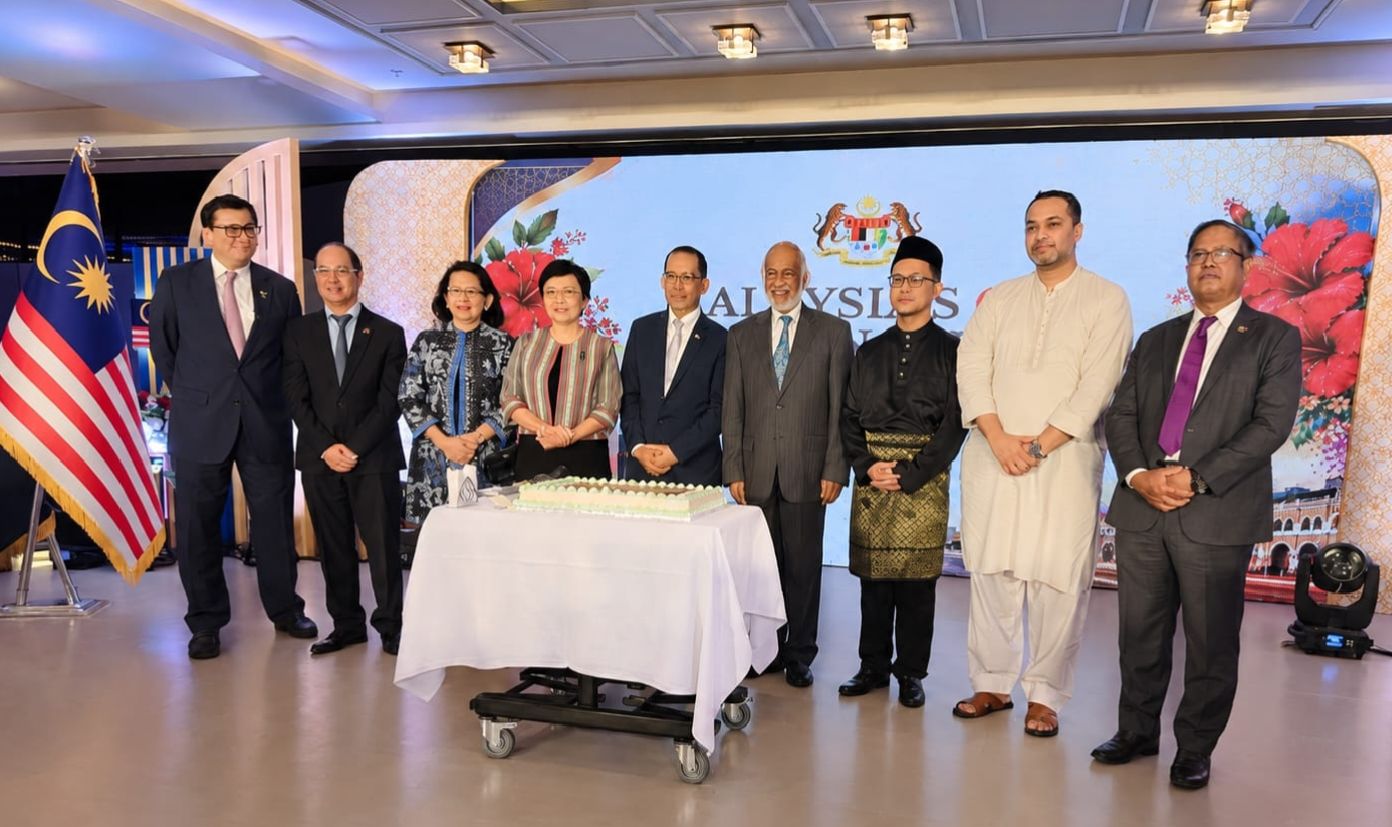
Diplomatic Correspondent: The Bay of Bengal Initiative for Multi-Sectoral Technical and Economic Cooperation (BIMSTEC) celebrated the 12th Anniversary of the Establishment of the BIMSTEC Secretariat with a reception held at the Grand Ballroom of Sheraton Dhaka. BIMSTEC Secretary General Ambassador Indra Mani Pandey highlighted the organisation’s achievements, evolving role, and future priorities in strengthening regional cooperation among its seven member states.
Addressing distinguished guests, including members of the diplomatic corps, representatives from business and cultural communities, and students, Ambassador Pandey extended greetings to the governments and people of all BIMSTEC member states. He expressed appreciation to the Government of Bangladesh, the current Chair of BIMSTEC, for its initiatives to enhance regional cooperation and for hosting the Secretariat in Dhaka.
Recalling the historic beginning of BIMSTEC, Ambassador Pandey said the signing of the Bangkok Declaration on 6 June 1997 marked the birth of the organisation as a platform connecting South and Southeast Asia. Initially established as BISTEC by Bangladesh, India, Sri Lanka, and Thailand, the organisation later expanded with Myanmar, Bhutan, and Nepal joining, eventually becoming the Bay of Bengal Initiative for Multi-Sectoral Technical and Economic Cooperation (BIMSTEC).
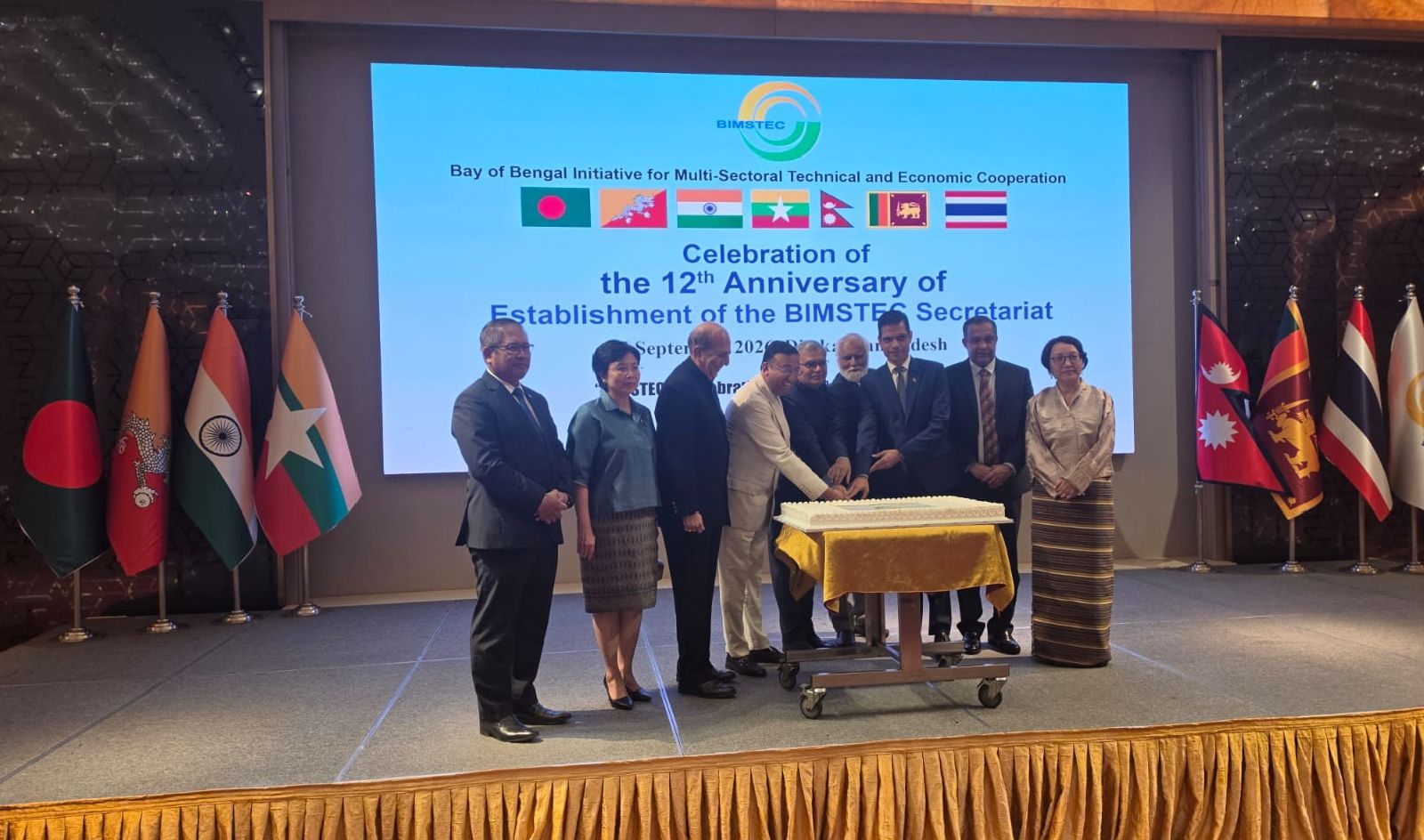
He noted that BIMSTEC has made significant progress since its establishment by creating an institutional framework for regional cooperation. The organisation now operates under its own Charter and follows the BIMSTEC Bangkok Vision 2030, with cooperation covering 18 sectors grouped into seven broad areas.
Ambassador Pandey highlighted that BIMSTEC has maintained its focus on technical and economic cooperation while avoiding political disputes. He said the organisation has strengthened collaboration in areas including security, sustainable development, connectivity, health, agriculture, and maritime cooperation.
He also mentioned BIMSTEC’s growing institutional network, including specialised centres and proposed future centres across member states. The organisation has concluded conventions on combating international terrorism, transnational organised crime, and mutual legal assistance, while negotiations continue on extradition, human trafficking, and transfer of sentenced persons.
Highlighting recent achievements, the Secretary General said the BIMSTEC Agreement on Maritime Transport Cooperation has entered into force for member states that have ratified it. He added that with the entry into force of the BIMSTEC Charter, the organisation has become an international legal entity and is open to observers and new members.
Ambassador Pandey further highlighted BIMSTEC’s partnerships with international organisations, including the Asian Development Bank, International Food Policy Research Institute, Indian Ocean Rim Association, UN Women, World Bank, Food and Agriculture Organization, and International Telecommunication Union.
Speaking about the role of the Secretariat, he said the Dhaka-based institution has become the anchor for implementing regional cooperation initiatives. The Secretariat works closely with member states by facilitating communication, coordination, monitoring decisions of leaders and ministerial meetings, and engaging with universities, think tanks, media, and business communities.
He identified implementation of decisions as the key challenge for BIMSTEC and said the organisation is undergoing reform and revitalisation based on recommendations from the Eminent Persons’ Group to make BIMSTEC a more effective and efficient regional organisation.
Ambassador Pandey expressed gratitude to the Government of Bangladesh for hosting and supporting the Secretariat, as well as to the ambassadors and high commissioners of BIMSTEC member states in Dhaka for their continued cooperation.
Concluding his remarks, he thanked all guests for their participation and support, calling for continued cooperation to build a stronger and more successful future for BIMSTEC.

Dhaka-Riyadh relations continue to grow
1
Diplomatic Correspondent: Saudi Ambassador to Bangladesh&nbs...

Singapore at 61: Building on Shared Values and Enduring ...
2
This year, Singapore celebrates 61 years of independence. 2026 also marks the 60th anniversary...

Pakistan HC Clarifies Equal Financial Support for Allama ...
3
Diplomatic Correspondent: The Pakistan High Commission in Dh...
Singapore Keen to Deepen Ties with Bangladesh, Eyes Coope...
4
Diplomatic Correspondent : Singapore remains optimistic abou...
Celebrating Kazi Nazrul Islam: An Evening of Culture, Li...
5
Diplomatic Correspondent: The Russian House in Dhaka, in coo...



মন্তব্য (0)