- Lead News
- Diplomatic News
Croatia steadily supports Bangladesh’s stability, economic development
- লিড নিউজ
- Diplomatic News

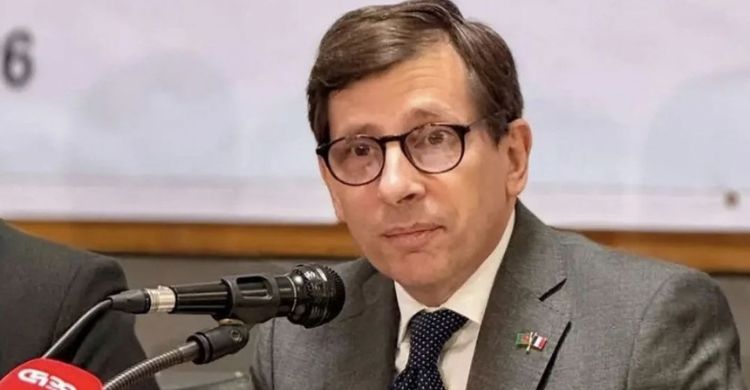
Photo: CNI
Bangladesh has achieved remarkable economic progress since independence, with emphasis on export-oriented industry (especially textiles and garments), GDP per capita growth, and poverty reduction, said Nenad Črnac, Honorary Consul of Bangladesh in Croatia, in an interview with Juel Ahmed, Head of CNI News,
Regardless of Bangladesh's internal political changes, Croatia consistently supports stability, economic development, and stronger trade ties with Asian partners, said Nenad Črnac.………
During the interview, Nenad Črnac gave a detailed views on Croatia–Bangladesh multilateral relations highlighting trade, migration, energy and regional cooperation
The rest part of the interview is given below :
1. Bangladesh Nationalist Party (BNP) got two-thirds majority in the parliament election held on February 12, 2026. Prime Minister of Bangladesh government is Mr Tarique Rahman. How do you see Bangladesh–Croatia multilateral relations in the coming days?
Croatia and Bangladesh have maintained diplomatic relations since 1997, and the opening of Bangladesh's Honorary Consulate in Zagreb in 2023 marked a new phase of practical cooperation. …….
It is encouraging that, during last week's UNGA in New York, Croatian Prime Minister Andrej Plenkovic has held a bilateral meeting with Bangladesh’s Prime Minister Tarique Rahman, which demonstrates goodwill on both sides for developing long-term, stable cooperation. Regardless of Bangladesh's internal political changes, Croatia consistently supports stability, economic development, and stronger trade ties with Asian partners. I expect that, with continuity in foreign policy, exchanges in trade, logistics, IT, agriculture, and education will intensify—especially through the Port of Rijeka as a potential distribution hub for the region.
2. Bangladesh has become a middle-income group country this year. How do you see the economic development of Bangladesh in the last 54 years?
Bangladesh has achieved remarkable economic progress since independence, with emphasis on export-oriented industry (especially textiles and garments), GDP per capita growth, and poverty reduction. Attaining middle-income status is the result of long-term reforms, a demographic dividend, and integration into global value chains. Since my appointment and the more active work of the consulate, much has already been done to bring the two economies closer—not only in Croatia and Europe, but in the broader rapprochement between Bangladesh and the European Union: the export gap, which was negligible before my arrival, has today grown by tens of millions of euros. The idea is to use Croatia as a gateway to facilitate the entry of Bangladeshi goods into the European Union, and through the projects we are jointly advancing with chambers and companies, we expect the figures to be significantly higher in the next five years.
3. Croatia has had major success in world soccer. How can Croatia help Bangladesh improve the soccer game in Bangladesh?
Croatia has a proven football system—from youth academies to top-level coaches and infrastructure—as well as experience in organizing major competitions. Concrete steps include: exchanges of coaches and fitness experts, summer camps for young Bangladeshi players in Croatia, training for coaches and referees, and advisory support for developing academies and league structures. There is also room for club cooperation, friendly matches, and joint projects between football federations.
4. What is the present trade volume between Bangladesh and Croatia? What is our target to reach bilateral trade within the next five years?
According to available data, annual trade stands at approximately: Bangladesh's exports to Croatia US 5–7 million (chemicals, machinery, electrical equipment). Other sources cite similar orders of magnitude (around €30 million in total), noting considerable untapped potential. The goal over the next five years is to multiply total trade, primarily through: increased imports of Bangladeshi garments, pharmaceuticals, leather, and jute into Croatia and the region; and exports of Croatian food products, chemicals, IT solutions, and services to Bangladesh, with logistical links via the Port of Rijeka.
5. The BNP government is working on improving the business environment in Bangladesh. What are your observations about the business environment?
Bangladesh continues to improve its business environment: simplifying procedures, incentives for exporters, development of special economic zones, and expansion of digital services. As someone who regularly speaks with Croatian entrepreneurs, I see growing interest in Bangladesh in IT, food processing, logistics, and renewable energy. Maintaining predictable regulation, accelerating customs processes, and ensuring transparency will be key to attracting further foreign investment.
6. The population of Croatia is less than 4 million. Do you see the prospect of migration of skilled Bangladeshis to Croatia in the coming days?
Croatia has fewer than 4 million inhabitants and faces demographic challenges, creating room for the immigration of skilled labor. Several thousand Bangladeshi workers already live and work in Croatia, with diplomatic sources estimating up to 10,000. What I see as the most realistic prospect is the inflow of a skilled workforce—particularly in IT and other knowledge-based sectors.
7. The European Union, USA, and Canada have put sanctions on Russia. In retaliation, Russia has also imposed sanctions on western countries. Do you see the impact of the Russia–Ukraine war on the Bangladesh–Croatia business?
The war in Ukraine and reciprocal sanctions have affected energy prices, logistics costs, and supply chains in Europe, which Bangladesh also feels indirectly through higher import and insurance costs. Croatia, as an EU member, has adapted its energy and logistics flows, and the Port of Rijeka and Adriatic corridor can offer alternative routes that reduce dependence on risky corridors. For bilateral trade, this means more flexible contracts, diversification of supply chains, and greater use of euro payments to mitigate currency and sanctions risks.
8. What is the number of Bangladeshis living in Croatia and how do you evaluate their contribution to your country?
Available information indicates that several thousand Bangladeshis live and work in Croatia, with some estimates reaching around 10,000. They make a significant contribution to the labor market in hospitality, construction, logistics, and manufacturing, filling labor shortages and supporting growth in certain sectors. It is important to continue integration measures, language education, and protection of workers' rights to secure their long-term contribution.
9. Croatia offers scholarships to students of developing countries. Can your government give scholarships to Bangladeshi students in its educational institutions?
Croatia offers scholarships to students from developing countries through state programs and university projects, with an increasing number of English-taught study programs. I support establishing, in cooperation with the Ministry of Science and Education and universities, a dedicated quota or line of scholarships for Bangladeshi students, especially in engineering, IT, maritime studies, tourism, and agriculture. This would strengthen Bangladesh's human capital in the long term and create lasting bridges between the two countries.
10. The USA–Israel imposed war on Iran and Russia–Ukraine war has caused uncertainty in the global energy market. Bangladesh has been at the risk of an energy crisis. How Bangladesh and Croatia work together in improving energy security in Bangladesh?
Global energy insecurity, driven by conflicts and market disruptions, calls for diversification of sources and investment in renewables. Croatia has experience in developing solar and wind power, modernizing grids, and improving energy efficiency, which can benefit Bangladesh through technical assistance, joint projects, and expert exchanges. Additionally, Croatia's port and logistics capacity can facilitate imports of energy and equipment for Bangladesh, with potential cooperation in LNG and storage facilities.
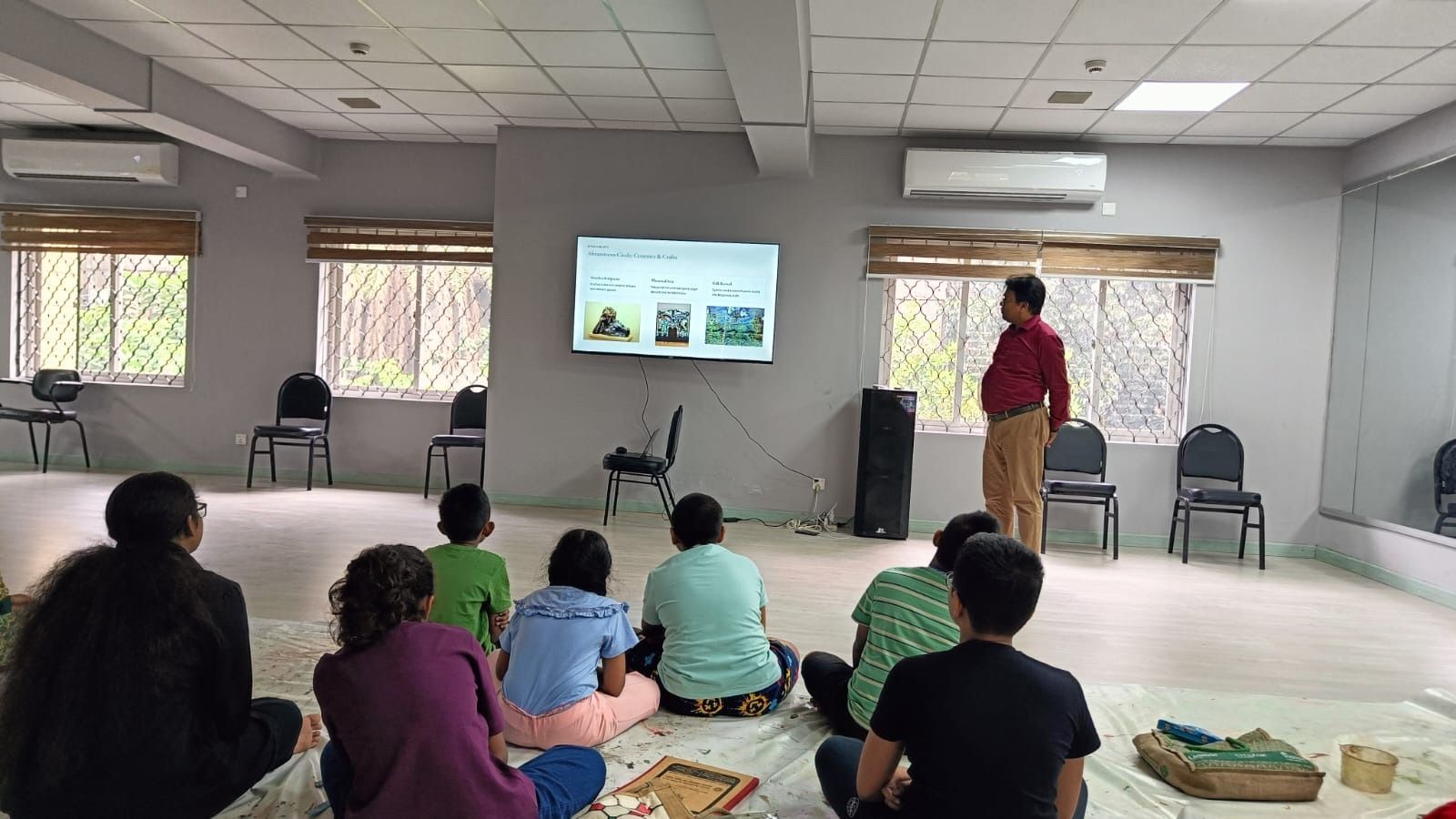
Celebrating Art & Heritage at Russian House in Dhaka!
1
Diplomatic Correspondent: 170th Birth Anniversary of Mikhail...
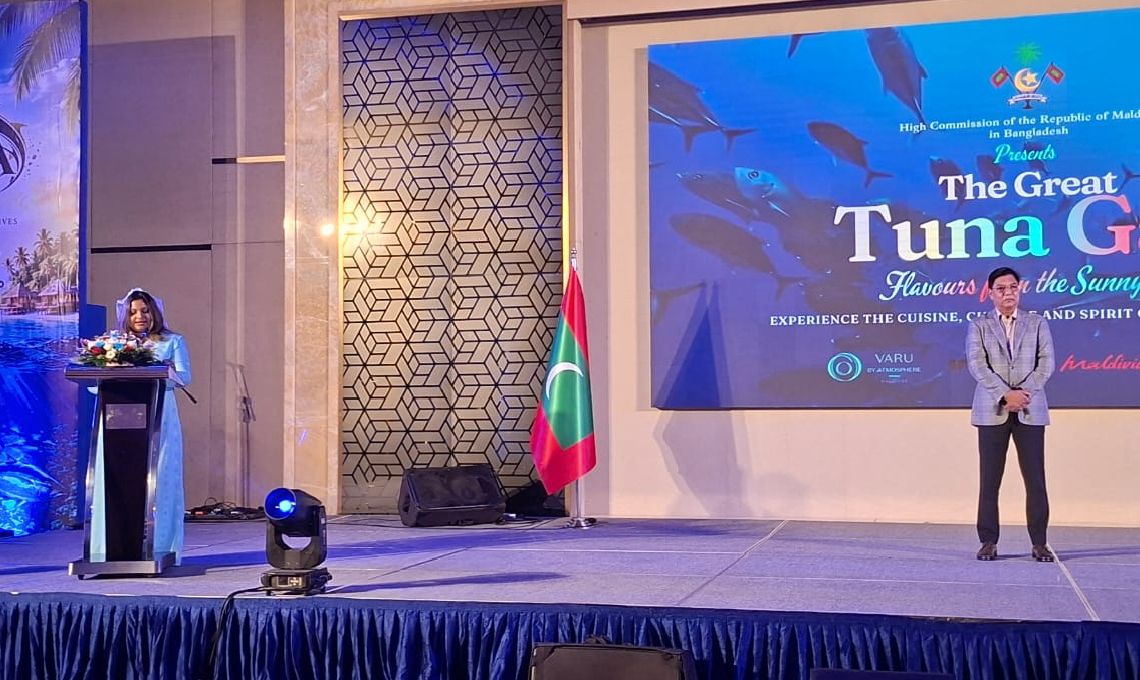
Maldives and Bangladesh Explore New Opportunities in Fis...
2
Diplomatic Correspondent: The High Commission of Maldives to...
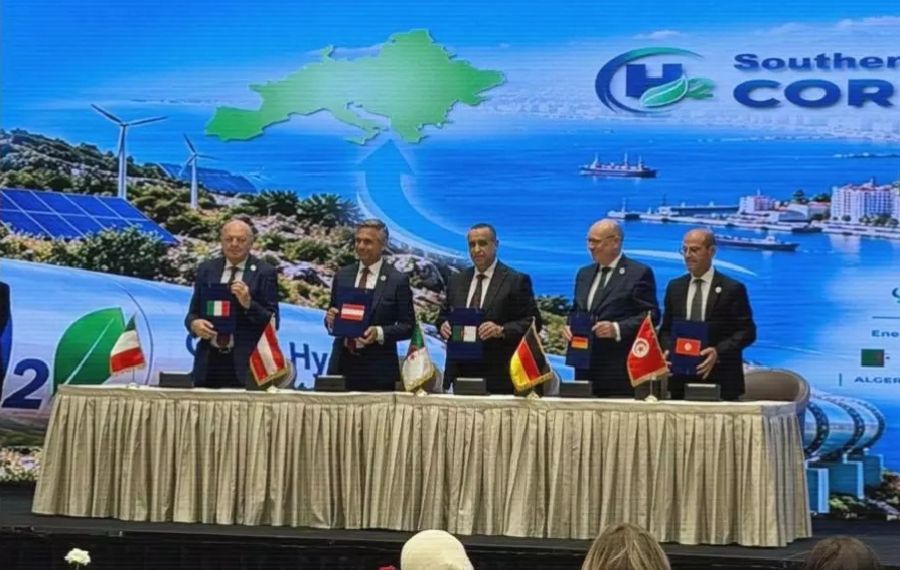
Signing of the Algiers Ministerial Declaration on the Sou...
3
Diplomatic Correspondent: The Energy Ministers of Algeria, T...
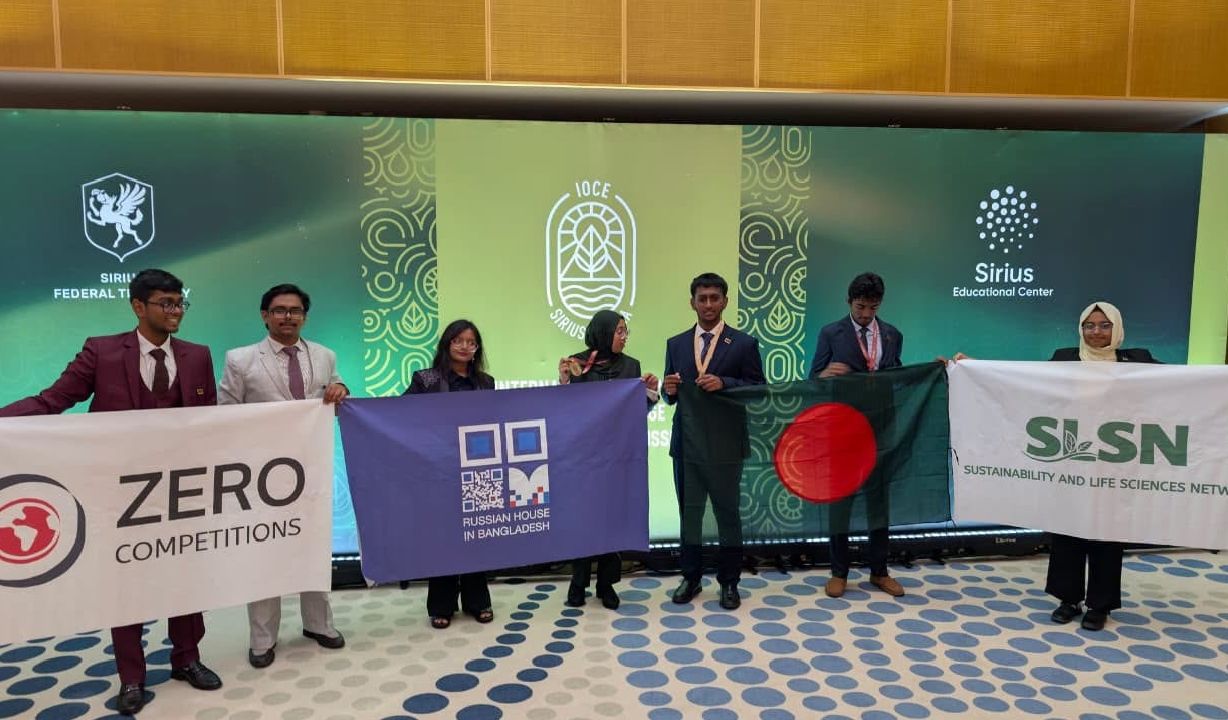
Historic Success for Bangladesh at International Olympia...
4
Diplomatic Correspondent: Bangladesh has achieved a remarkab...
Pakistan High Commissioner Meets DIU Vice Chancellor, Dis...
5
Diplomatic Correspondent: Pakistan High Commissioner to Bang...



Comment (0)