

- Lead News
- Politics
Are Jamaat and NCP Seeking a Path Toward a ‘Major Movement’ Through the Long March?
- লিড নিউজ
- Politics
Photo: Collected
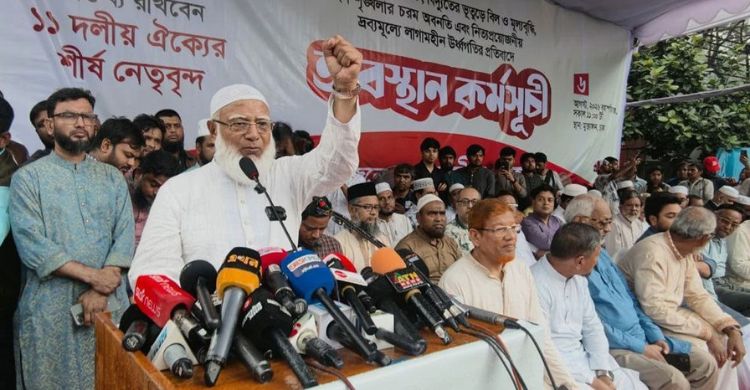
News Desk: The 11-party alliance comprising Bangladesh Jamaat-e-Islami and the National Citizens Party (NCP) held a long march and roadside rallies from Dhaka to Chattogram. The alliance has scheduled similar programmes in three more divisions over the next two months. It also plans to hold a grand rally in Dhaka in November at the conclusion of these programmes. The report was published by BBC.
On September 5, leaders of the alliance held roadside rallies at various points along the route to Chattogram and presented six demands for implementation.
However, on the very first day of the programme, alliance leaders warned that if the long march was obstructed or their demands were not met, they would move to a single-point demand for the government's resignation.
At a rally in Dhaka at the beginning of the programme, NCP Convener Nahid Islam, one of the key leaders of the alliance, said that if the government attempted to obstruct the long march, “the six demands would turn into one demand.”
Meanwhile, at the rally at Laldighi in Chattogram, where the programme concluded, Jamaat-e-Islami Ameer Shafiqur Rahman warned the government that the opposition's movement “would not be limited to a post-Eid movement.”
The government also responded immediately.
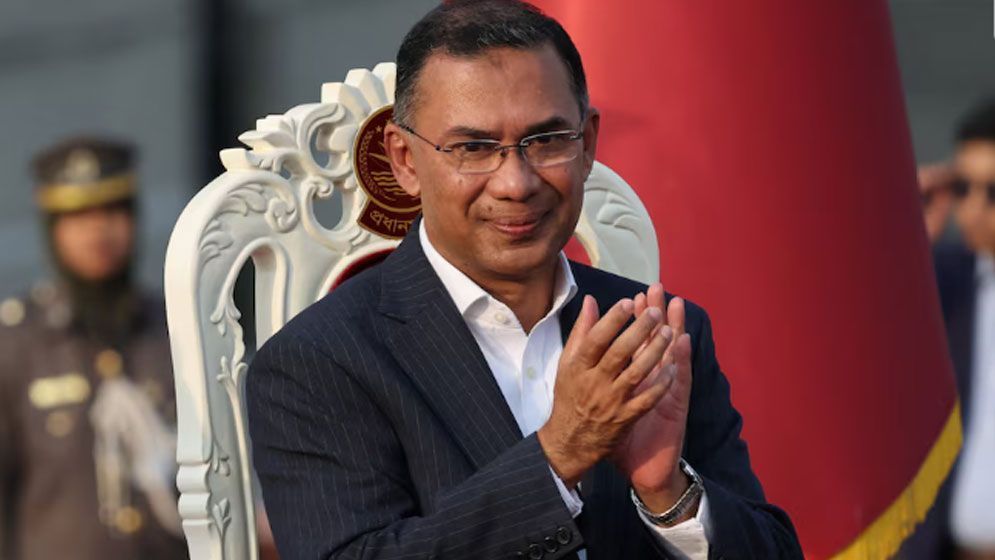
Prime Minister Tarique Rahman had earlier referred to the programme, saying that attempts were being made to mislead the people and create disorder.
Speaking in Parliament on Thursday, he said, “We saw a massive vehicle-based long march being organized. Various people outside are asking whether there was an attempt to unnecessarily provoke the people and do something else. If a vehicle-based long march could solve gas or electricity problems, we would have been the first to organize one.”
Following these statements, questions have arisen as to whether the opposition parties are seeking to challenge the government with a major movement through the long march programme.
Why is the government suspicious?
On the day of the Jamaat-NCP programme, Prime Minister Tarique Rahman spoke at an event marking the 48th founding anniversary of the BNP in Dhaka, where he alleged that attempts were being made to create disorder in the country.
He said, “We have noticed that some political parties and individuals are attempting to create confusion in various ways, and through this confusion, they are trying to create disorder in the country. If anyone wants to create disorder, the country's laws clearly state how such disorder should be controlled.”
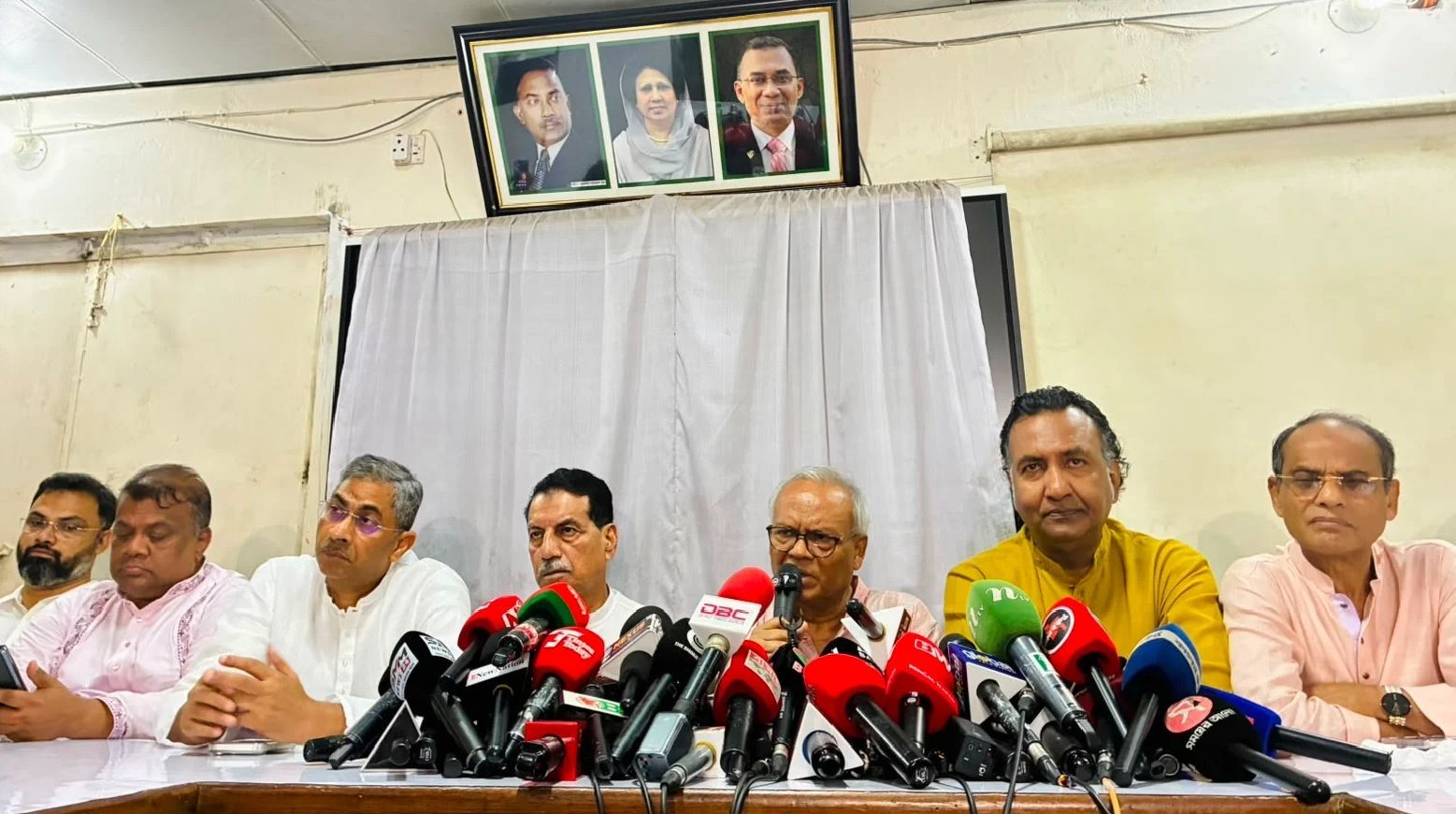
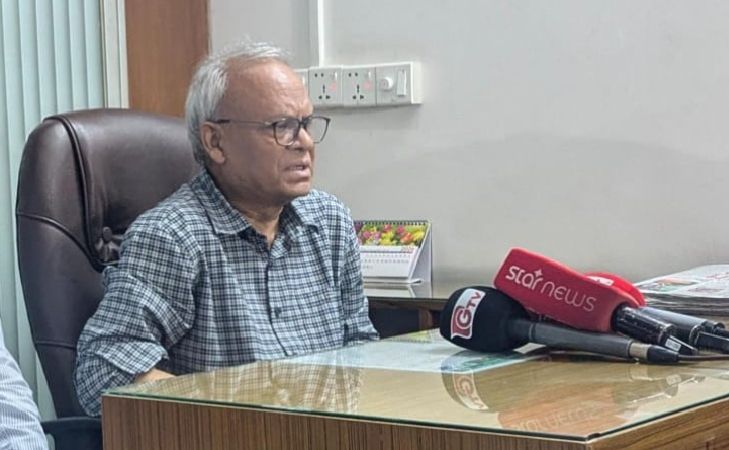
The following day, the party's Acting Secretary General Ruhul Kabir Rizvi Ahmed also criticized the opposition's programme.
But what is behind the government's criticism and suspicion? And why is the government concerned about the opposition's programme? Two issues have emerged in response to these questions.
First, the government has been in power for only six months, and the BNP does not see such a movement as justified at this stage.
Second, there is information suggesting the possibility of creating “instability” surrounding the programme.
Prime Minister's Political Assistant Md. Rashed Khan said that the Awami League had sought to take advantage of the Jamaat-led long march and intended to infiltrate the programme to cause an incident. He said the government had information about this and therefore adequate security measures were taken by the government and administration to prevent anyone from using the situation to seek the government's ouster or shift responsibility for any incident onto the government.
According to him, the interim government had deceived the people on various issues, including the referendum, while the BNP was not responsible for the “mismanagement” of the 16-year Awami League rule.
He also believes that Jamaat is organizing the long march by repeatedly attempting to place responsibility for these issues on the BNP.
Is Jamaat creating a path toward a “major movement”?
The 11-party alliance led by Jamaat has put forward six main demands through the long march.
These include implementation of the referendum verdict, trial of the July killings, resolution of electricity, oil and gas shortages, ending corruption and politicization, and improving the law-and-order situation.
However, the BNP is suspicious of such a major programme being organized around these demands only six months after the government took office.
At the same time, Jamaat's programme makes it clear that the party is seeking to create a path through which it can challenge the government on the streets as well.
According to the alliance's announcement, the next long march will be from Dhaka to Rangpur on September 19. This will be followed by a programme in Khulna on October 10 and another long march to Sylhet on October 24.
After four long marches in the divisional cities, a grand rally will be held in Dhaka in November, from which the alliance is expected to announce its next programme or course of action.
But why is the 11-party alliance launching a series of programmes when the BNP government has been in power for only six months?
NCP Member Secretary Akhter Hossain said that the government rejected the referendum verdict from the very first day. According to him, in the case of most governments, questions about broken promises arise after some time in office. But in this government's case, the situation is different. He said the government rejected from the very beginning its political commitment to implement the people's verdict expressed through the referendum.
According to him, the situation itself has pushed them toward the movement.
Jamaat-e-Islami Central Secretary General Mia Golam Parwar expressed a similar view.
He said there were two mandatory timelines under the presidential order. The Constitutional Reform Council session was supposed to be convened within 30 days of the first sitting of Parliament. “You did not convene it,” he said. He added that the July Charter was supposed to be implemented within six months and its provisions incorporated into the Constitution. That six-month deadline is also ending in September.
Mia Golam Parwar believes that the government is not only failing to fully implement the referendum verdict or the July Charter, but is also developing a tendency to “act as it wishes.” He said this could be seen in everything from passing laws to other government decisions.
He argued that people did not vote for the government simply to allow it to do whatever it wanted on the strength of its parliamentary majority. He questioned why the government would ignore the nearly 70 percent “Yes” vote in the referendum if it had received a majority with around 50 percent of the votes in the general election.
On the justification for the movement, he said that some were asking what had happened after only six months in office to warrant such a movement. But, he argued, the public aspirations expressed at the cost of so many lives were being rejected by the government. “What could be greater than this?” he asked.

Sarjis Alam Appointed to a New Position
1
News Desk: The National Citizens ...

Cocktails Explode in Jatrabari One After Another, Ricksha...
2
News Desk: Five cocktail explosions occurred one a...
BNP Standing Committee Meeting Chaired by Tarique Rahman
3
News Desk: A meeting of the BNP’s highest po...
NCP Names Asif Mahmud for Dhaka North, Patwari for Dhaka ...
4
News Desk: The National Citizens Party (NCP) has announced its mayoral candidates for the elec...
5-Day Programme Announced to Mark BNP’s 48th Founding Ann...
5
News Desk: A five-day programme has been announced...



মন্তব্য (0)