
- Lead News
- Open Discussion
IBCCI promoting regional trade network within SAARC
- লিড নিউজ
- Open Discussion
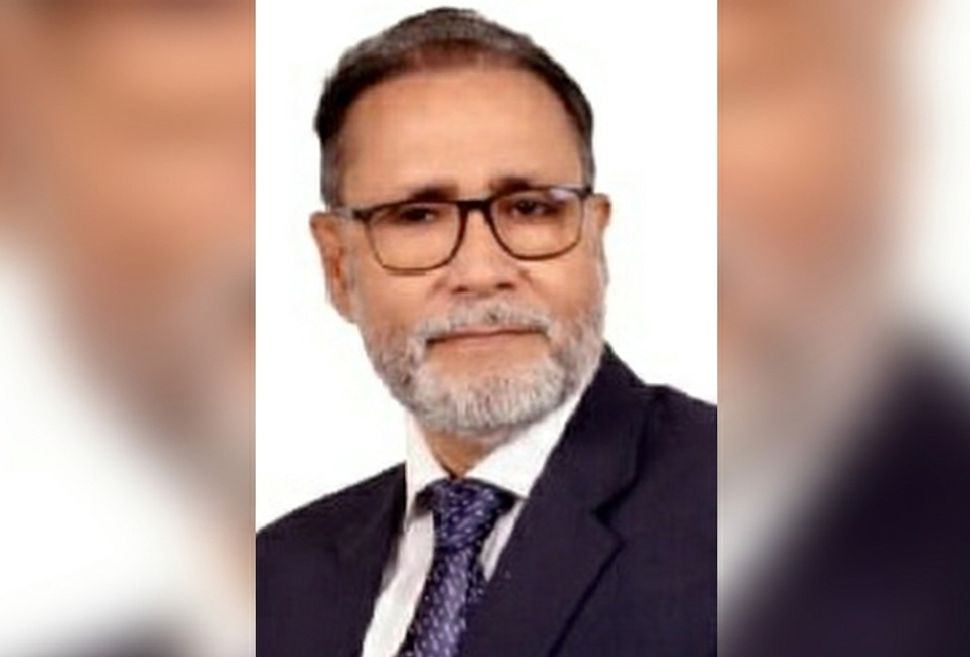
File Photo
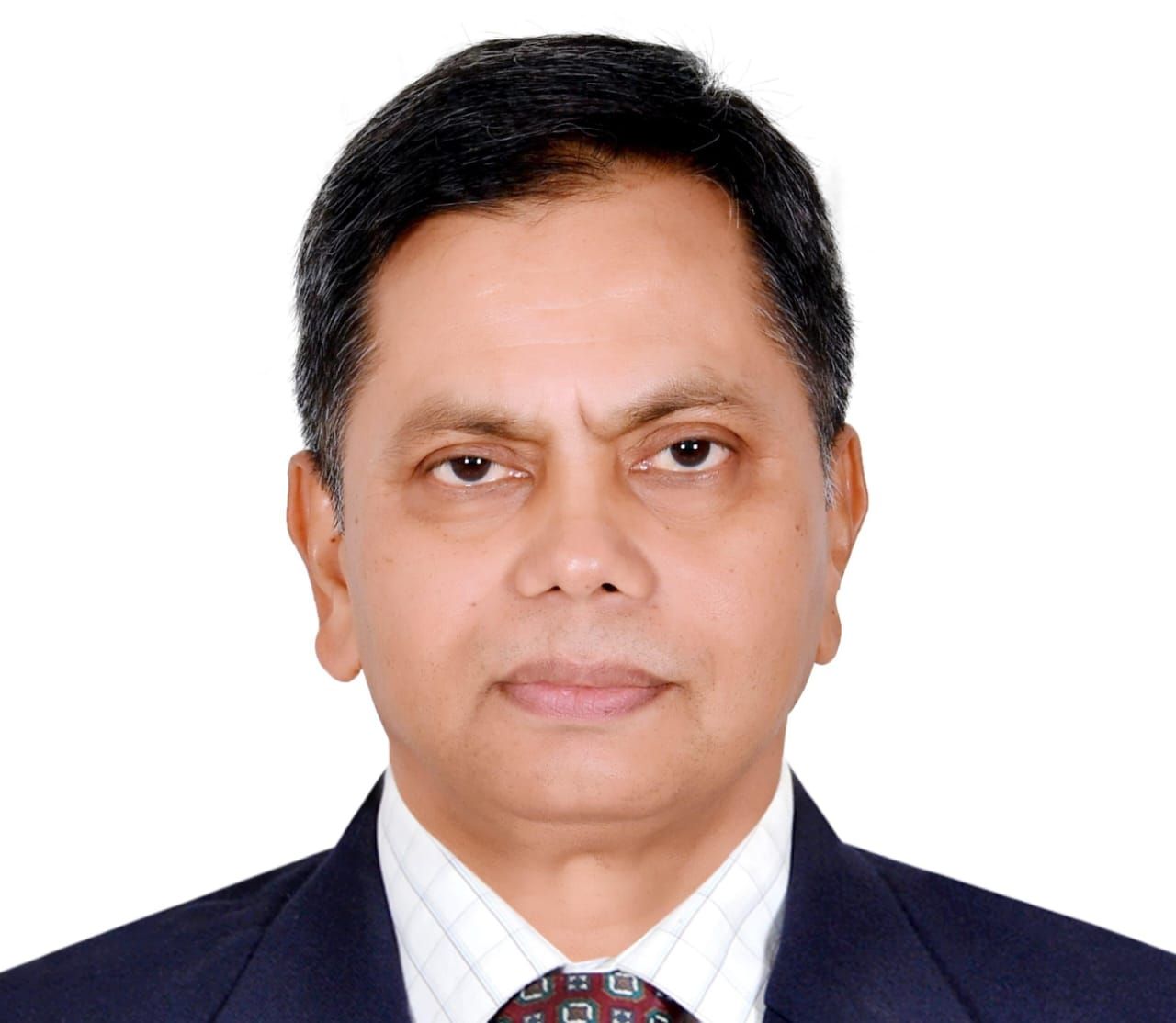
President of the India-Bangladesh Chamber of Commerce and Industry (IBCCI) Md. Moshiur Rahman while talking to a group of journalists in the city recently said that that IBCCI sees significant potential in expanding trade among SAARC member countries Bangladesh, India, Pakistan, Sri Lanka, Nepal, Bhutan, Maldives, and Afghanistan-by promoting deeper regional economic integration.
Md. Moshiur Rahman, involved in trade and shipping over the years , said “ Through IBCCI, we are working to strengthen bilateral trade, investment, and overall relations between the two countries and I am closely engaged in promoting business and economic cooperation between Bangladesh and India.”
IBCCI also supports initiatives that improve regional connectivity, simplify trade procedures, and reduce both tariff and non-tariff barriers. Overall, IBCCI aims to contribute to a more connected, efficient, and mutually beneficial regional trade network within SAARC, said IBCCI president
The rest part of the interview is given below:
1. The war in the Middle East has shaken up the global economy. Bangladesh's economy has been at high risk as the country depends on imported energy. The Bangladesh government is giving a 170-crore subsidy in the energy bill every day. How do you see the overall situation?
Answer: The Middle East conflict has created uncertainty in the global economy, especially in energy supply and prices. Bangladesh, being highly dependent on imported energy, is naturally under pressure. The government’s daily subsidy of around Tk. 170 crore shows its strong commitment to keep energy prices stable for people and industries. Overall, the situation is challenging, but with careful management, energy diversification, and increased local production, Bangladesh can reduce this risk in the future.
2. The new BNP government is running the country under the leadership of Honourable Prime Minister Tarique Rahman. How do you see the governance under the new
leadership? Answer: In any new political leadership, the early stage is always very important for setting direction and stability. From a general view, if a government focuses on good governance, rule of law, and economic stability, it creates confidence among people and investors. Bangladesh needs continuity in development work, energy security, and investment-friendly policies. Overall, the effectiveness of governance will depend on how quickly strong institutions, transparency, and economic reforms are strengthened for long-term stability and growth. I think our Honourable Prime Minister is giving his best effort for the overall development of the country.
3. Bangladesh has become a middle-income country this year. How do you see the economic development of Bangladesh in the last 54 years?
Answer: Over the last 54 years, Bangladesh has made remarkable economic progress. From a war-torn economy at independence, the country has grown into a strong, developing economy with major achievements in garments, remittances, agriculture, and human development. Infrastructure has improved significantly, poverty has reduced, and social indicators like education and health have also advanced. Becoming a middle-income country reflects this long journey of consistent growth.
4. What plans does IBCCI have to expand trade among SAARC member countries?
Answer: IBCCI sees significant potential in expanding trade among SAARC member countries Bangladesh, India, Pakistan, Sri Lanka, Nepal, Bhutan, Maldives, and Afghanistan-by promoting deeper regional economic integration. Our approach includes strengthening business-to-business connections across these countries, encouraging regular trade dialogue, and identifying sector-specific opportunities such as textiles, agriculture, pharmaceuticals, and services. IBCCI also supports initiatives that improve regional connectivity, simplify trade procedures, and reduce both tariff and non-tariff barriers. In addition, we engage with chambers, trade bodies, and relevant stakeholders across SAARC to promote collaboration and share best practices. Overall, IBCCI aims to contribute to a more connected, efficient, and mutually beneficial regional trade network within SAARC.
5. What is the present trade volume between Bangladesh and India? What is our target to reach bilateral trade within the next five years?
Answer: At present, Bangladesh–India bilateral trade stands at roughly USD 11–13 billion annually, where India exports more to Bangladesh compared to Bangladesh’s exports to India. India’s exports to Bangladesh are around USD 11–12 billion, while Bangladesh’s exports to India are about USD 1.7–2 billion. The trade covers key sectors like textiles, machinery, raw materials, energy, and consumer goods. Looking ahead, the common expectation is to expand bilateral trade to around USD 20 billion within the next five years. This will depend on reducing trade barriers, improving port and land connectivity, and encouraging more Bangladeshi exports to India.
6. Tariff and non-tariff barriers stand in the way of promoting trade between the two South Asian countries. What are the major barriers to promoting trade between the two South Asian countries?
Answer: Although tariff barriers have reduced over time, non-tariff barriers still create challenges. These include customs delays, complex documentation, infrastructure limitations at border points, and differences in product standards. Addressing these issues through digital systems, better coordination, and policy harmonization will help facilitate smoother trade between the two countries.
7. The present government is working on improving the business environment in Bangladesh. What are your observations about the business environment?
Answer: Bangladesh has made good progress in improving its business environment through infrastructure development, special economic zones, and policy reforms. However, challenges remain in terms of bureaucratic delays, regulatory complexities, and ease of doing business. Continued reforms and simplification of processes will encourage more investment.
8. How do you see the prospect of a Blue Economy in Bangladesh?
Answer: The Blue Economy has strong prospects for Bangladesh due to its vast maritime area. Key sectors such as fisheries, marine resources, shipping, coastal tourism, and marine mineral resources hold great growth potential. In Bangladesh, marine fishing in the Bay of Bengal, along with shrimp and fish farming, already plays an important role in export earnings and employment. There is also potential in exploring offshore minerals such as gas and other seabed resources. With proper planning, investment, and sustainable use of resources, the Blue Economy can become a significant driver of future national development.
9. What is the number of Indian citizens living in Bangladesh, and how do you evaluate their contribution to both economies?
Answer: The exact number of Indian citizens living in Bangladesh is not fixed, but it is generally a small expatriate community, mainly professionals, business people, and employees working in multinational companies, development projects, and some private sectors. Their contribution is positive in terms of technology transfer, business collaboration, investment, and knowledge sharing.
10. Bangladesh and India will celebrate 54 years of diplomatic relations this year. How do you see the relations between the two neighboring countries in the coming days?
Answer: Bangladesh and India share a long history of friendship and cooperation over the last 54 years. The relationship is based on geography, culture, trade, and people-to-people connections. In the coming days, the relations are expected to grow further, especially in areas like trade, energy cooperation, connectivity, and regional security. There are still some challenges, but both countries have a strong interest in maintaining stable and constructive ties.
11. India offers scholarships to students of developing countries. Can IBCCI members determine whether the Indian government gives scholarships to Bangladeshi students in its educational institutions?
Answer: IBCCI mainly works on promoting bilateral trade and business cooperation between India and Bangladesh, along with facilitating issues related to business visas and other trade-related matters. On matters like education and scholarships, individuals follow their respective official channels. However, if any support or facilitation is required from our side within our business cooperation scope, we will always be happy to assist positively and constructively.
12. The Indian government, time and again, has reiterated in easing tourist, business, and medical visas to Bangladeshis. In the past, the High Commission of India used to issue 5-year, 4 year, 3-year, 2-year, and 1-year multiple business visas. What is the latest status of business visas being issued by HCI? How do IBCCI members pursue the High Commission of India's role in easing visas?
Answer: At present, India is gradually resuming and normalizing its visa services for Bangladeshi applicants, including business visas through the High Commission of India. Recent updates indicate that business visa processing is continuing in a more structured and phased manner, with emphasis on documentation and verification. For IBCCI members, engagement with the High Commission of India is mainly through formal business channels, visa application procedures, and trade-related documentation support. The focus remains on facilitating legitimate business travel and strengthening trade connectivity between the two countries.
13. Bangladesh and India have reiterated in improving the multilateral relations between the two neighboring countries. How does IBCCI work with civil societies and governments of both countries in promoting relations to a new height?
Answer: IBCCI works as a bridge between the business communities of Bangladesh and India to strengthen bilateral relations. We regularly engage with chambers of commerce, trade bodies, and relevant stakeholders from both countries to promote dialogue and cooperation. Through these interactions, IBCCI helps highlight trade opportunities, resolve business-related concerns, and encourage smoother connectivity between the two sides. We also maintain constructive engagement with government and civil society platforms to support mutual understanding and a stronger economic partnership.
14. What role is IBCCI playing in the Bangladesh–India trade?
Answer: IBCCI plays an important role in strengthening Bangladesh–India trade by acting as a platform for business cooperation between the two countries. It facilitates trade dialogue, supports business networking, and helps address trade-related issues, including documentation and visa matters. IBCCI also works to identify new trade opportunities and promote smoother connectivity between business communities. Overall, IBCCI contributes to making bilateral trade more active, structured, and mutually beneficial.
Note: Thank you for having me. I am Md. Moshiur Rahman, President of the India-Bangladesh Chamber of Commerce and Industry (IBCCI). I have been elected the President of IBCCI for the term 2025-2027. I have been involved in trade and shipping for many years, and I am closely engaged in promoting business and economic cooperation between Bangladesh and India. Through IBCCI, we are working to strengthen bilateral trade, investment, and overall relations between the two countries.
West-Middle East conflict, time for Bangladesh to tap the...
1
Misbah Chowdhury: World politics is changing rapidly. The Mi...
Algerian Independence Day: A Legacy of Freedom, Courage, ...
2
Decolonisation is the most radical change within the system of the twentieth century, the arch...
Prime Minister Tarique Rahman’s “Bangladesh First” Doctri...
3
Dr Mohammad Tarikul Islam (MTI) is a Professor of Government and Politics at Jahangirnagar Uni...
Rohingya Repatriation May Take Years: Why Bangladesh Need...
4
Misbah Chowdhury: Bangladesh’s response to the Ro...
Kosovo Bangladesh Diplomatic Relations and Future Prospects
5
AKM SAYEDAD HOSSAIN:
Kosovo dec...



মন্তব্য (0)