
- Open Discussion
Time to tap Polish labour market
- Open Discussion
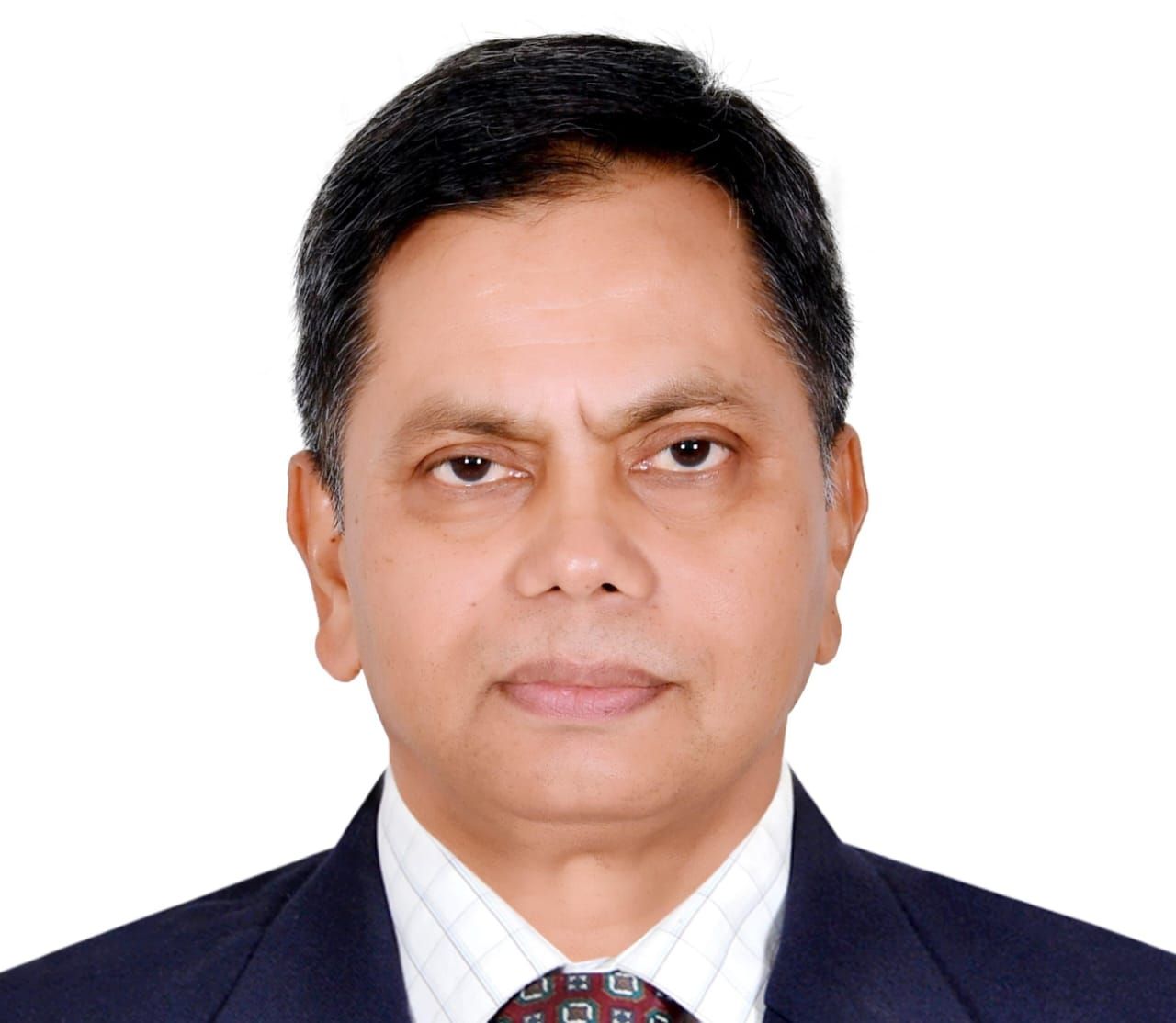
Photo: CNI
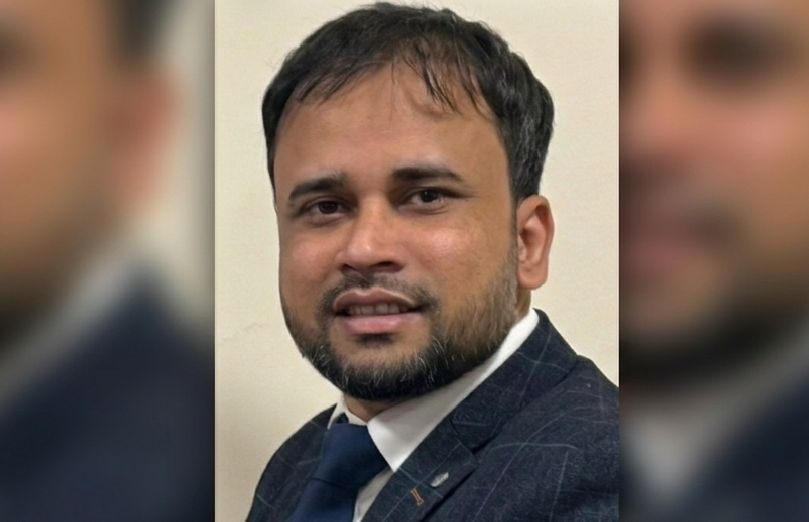
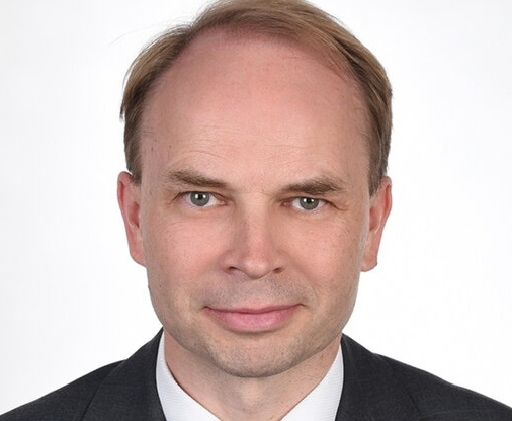
Imtiaz Ahmed: Bangladesh Ambassador to Poland Md Mainul Islam in an interview with Creative News International (CNI) said that Poland’s declining population and growing labour shortages create significant opportunities for legal migration of Bangladeshi workers. Currently, over 1.13 million foreign workers are registered in Poland, with Bangladeshi nationals accounting for a growing share through work permits and employment in various sectors.
 Full interview is given below“
1. Bangladesh has been going through a transition period since the ungraceful departure of former Prime Minister Sheikh Hasina through a mass movement since August 5, 2024. How does the Polish government see the period of the interim government?
The interim government assumed responsibility for leading Bangladesh in August 2024, at a pivotal moment in our nation’s history. A massive, youth-led uprising swept across the country, giving voice to millions who were long frustrated by unfair elections, the erosion of the rule of law, declining governance, and an increasingly authoritarian—fascist style of rule. The people rose to their feet and demanded change: accountability, democratic reform, and an end to repression.
In the wake of that historic movement, the previous regime collapsed, and an interim government was formed with a clear and solemn mandate. That mandate is to correct past injustices, to restore good governance and the rule of law, and to guide Bangladesh toward a future where elections are fair, institutions are strong, and the will of the people is truly respected.
Poland is informed about the recent political developments in Bangladesh and considers the interim period an internal matter of the Bangladeshi people. From Poland’s perspective, the most important factors are stability, continuity of state institutions, and a peaceful constitutional process. While aligning broadly with the EU’s position that supports democratic transition, rule of law, and human rights, Poland maintains a constructive and stable bilateral relationship with Bangladesh, with cooperation continuing unaffected by the political changes.
02. Bangladesh-Poland bilateral trade is hovering around 2.00 billion US dollars. What is our target to reach bilateral trade within the next five years? Bangladesh exported a total of 1825 million US dollars (1824800467 US dollars) to Poland in 2024-25 fiscal year?
Bangladesh–Poland bilateral trade is progressing very strongly, and I believe we have a solid foundation for further expansion. Our exports to Poland have been increasing steadily, and the potential for future growth is clear. In the past months, I have had several meetings with Polish trade bodies and business associations, and all of these engagements reflect a very positive trend and strong interest in deepening our economic cooperation. Looking ahead, my goal is to see our bilateral trade grow significantly over the next five years by tapping into new opportunities, strengthening supply chains, diversifying our export basket, and fostering even closer business partnerships. Given the momentum on both sides, I am confident that we can take our trade relations to a much higher level.
03. Foreign direct investment (FDI) flow to Bangladesh suffered this year against the backdrop of political turmoil in 2024. Do you see new Polish investment in Bangladesh, particularly in the service sectors?
Despite temporary challenges in global investment trends, I believe the prospects for new Polish investment in Bangladesh remain highly encouraging. Bangladesh continues to offer an increasingly favourable environment for foreign investors, particularly in ICT, logistics, and professional services. In my recent meetings with the Polish Chamber of Commerce, as well as business communities in Poznań, Katowice, and Polish Investment and Trade Agency (PAIH), I observed a clear and growing interest in exploring opportunities in these sectors. Polish companies see strong potential in Bangladesh’s steady economic fundamentals, young skilled workforce, and proactive, pro-investment policies. Overall, the outlook for Polish investment—especially in the service sector—is positive, forward-looking, and aligned with the expanding economic partnership between our two countries.
04. The Bangladesh government has been working on improving the business environment to attract FDI. What are common perceptions of Polish investors about the investment climate in Bangladesh?
In my interactions with Polish businesses, I’ve seen their perception of Bangladesh’s investment climate become increasingly positive. Many Polish investors recognise that Bangladesh has made steady progress in improving its business environment—simplifying procedures, upgrading infrastructure, and offering attractive incentives for foreign investors. They frequently highlight Bangladesh’s economic resilience, competitive labour force, and expanding market as strong foundations for long-term investment.
Institutions such as BIDA, the Export Promotion Bureau (EPB), and Bangladesh Bank play an essential role in shaping these perceptions. BIDA’s One-Stop Service is viewed as a concrete step toward faster, more investor-friendly procedures. EPB provides valuable support through market information and export facilitation, especially for companies interested in integrating with Bangladesh’s global value chains. Bangladesh Bank’s efforts to ensure financial stability, streamline foreign exchange management, and facilitate profit repatriation further strengthen the confidence of Polish investors. Together, these reforms create a business environment that Polish companies increasingly consider promising and worthy of exploration.
05. Bangladesh has become a member of the middle-income countries, according to the World Bank report. How do Polish policy-makers evaluate the achievement of Bangladesh’s economic success?
Polish policymakers view Bangladesh’s graduation to a middle-income country as a remarkable achievement and a testament to its sustained economic growth, resilience, and human development progress. They recognise Bangladesh as one of the most dynamic emerging economies in Asia, driven by its vibrant manufacturing sector, expanding services, and strategic reforms.
06. Developing countries, including Bangladesh, are becoming victims of climate change. How do Poland and Bangladesh work together on climate change issues? Do you think developed countries should give compensation to developing countries?
Bangladesh, as one of the countries most vulnerable to climate change, has been advocating strongly at COP 30 for predictable support on adaptation, loss and damage, and technology transfer. Poland and Bangladesh engage on climate change primarily through multilateral platforms such as the United Nations Framework Convention on Climate Change (UNFCCC), which facilitates the exchange of knowledge, expertise, and best practices. Poland and EU policymakers acknowledge that developed countries have a responsibility to support developing nations through financial assistance, technology transfer, and capacity building. Through partnerships in technology sharing, green infrastructure, and capacity building, the two countries can work together to strengthen climate resilience. I strongly believe that developed countries should provide fair compensation to developing nations, not as charity but as a matter of climate justice. Countries like Bangladesh contributed very little historically to global emissions yet face disproportionate costs, and grant-based, predictable support is essential for adaptation and recovery. COP 30 offers a crucial platform to advance concrete financing, technology transfer, and institutional support, ensuring that frontline nations can build resilience and contribute effectively to global climate stability.
07. Bangladesh and Poland have defence cooperation and both countries have reiterated interest in increasing defence cooperation. How can Poland extend its cooperation in defence cooperation?
Poland, being a country with a well-developed and advanced defence sector, can extend its support in several ways. First, through capacity building and training programs for Bangladesh’s armed forces, including specialized courses in technology, logistics, and operational strategy. Second, by sharing expertise and best practices in areas such as cybersecurity, peacekeeping, and modern defence management. Third, Poland could explore joint exercises and equipment collaboration, which would help enhance interoperability and readiness. Additionally, cooperation in defence research, maintenance, and technology transfer could enable Bangladesh to modernize its forces more effectively. Given Poland’s strengths in defence production and technology, I believe there is significant potential to build a mutually beneficial and strategic partnership in this sector.
08. The population of Poland is decreasing. How much do you see in promoting legal migration to Poland? The employment opportunities of Bangladeshis in Poland. What is the number of Bangladeshis living in Poland?
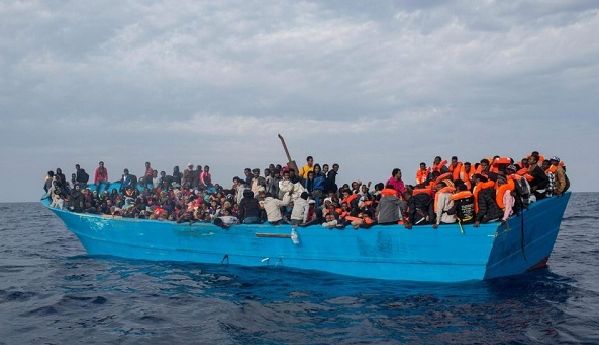
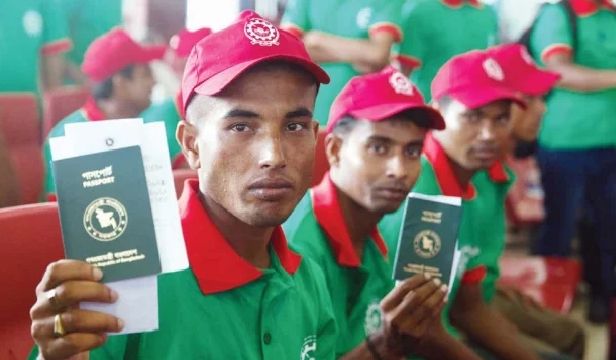
Poland’s declining population and growing labour shortages create significant opportunities for legal migration of Bangladeshi workers. Currently, over 1.13 million foreign workers are registered in Poland, with Bangladeshi nationals accounting for a growing share through work permits and employment in various sectors. Expanding legal migration pathways, bilateral labour agreements, and protective frameworks could further strengthen employment opportunities for Bangladeshis in Poland while addressing Poland’s workforce needs.
Employment opportunities for Bangladeshis in Poland are growing steadily, particularly in sectors where there is high demand for skilled and semi-skilled labour. Key areas include logistics, transport, warehousing, construction, certain service industries, as well as the rapidly growing kebab and fast-food restaurant sector. Polish companies increasingly rely on foreign workers to fill labour gaps, and Bangladeshis have proven to be a reliable and hardworking workforce. With the right training, language skills, and legal frameworks in place, these opportunities can expand further, benefiting both Poland’s economy and Bangladeshi workers seeking stable and rewarding employment abroad.
09. Poland has a number of reputed and world standard universities. Can the Polish government give more scholarships to Bangladeshis in higher education?
The Polish government is open to expanding scholarship opportunities for Bangladeshi students, primarily through bilateral academic agreements and programs such as Erasmus+ and the NAWA scholarship schemes. Several Polish universities already host Bangladeshi students in English-taught programs, and an agreement with the University of Warsaw is currently underway to further strengthen academic cooperation. However, the absence of a Polish embassy in Dhaka complicates the application and visa process, as students must apply via the Polish Embassy in New Delhi. Furthermore, access to NAWA scholarships can be competitive and administratively challenging, so simplifying these procedures would significantly enhance opportunities for Bangladeshi students. In this context, we would also like to pursue the inclusion of Bangladesh in the Banach Scholarship Programme, which would further expand academic mobility and create new opportunities for Bangladeshi students to study in Poland.
10. The national election is set to be held in February 2026. How does Poland see the preparation of an interim government in holding the next polls?
Poland generally emphasises the importance of upholding proper democratic procedures throughout the electoral process to ensure credibility, stability, and public confidence in the February 2026 national elections.
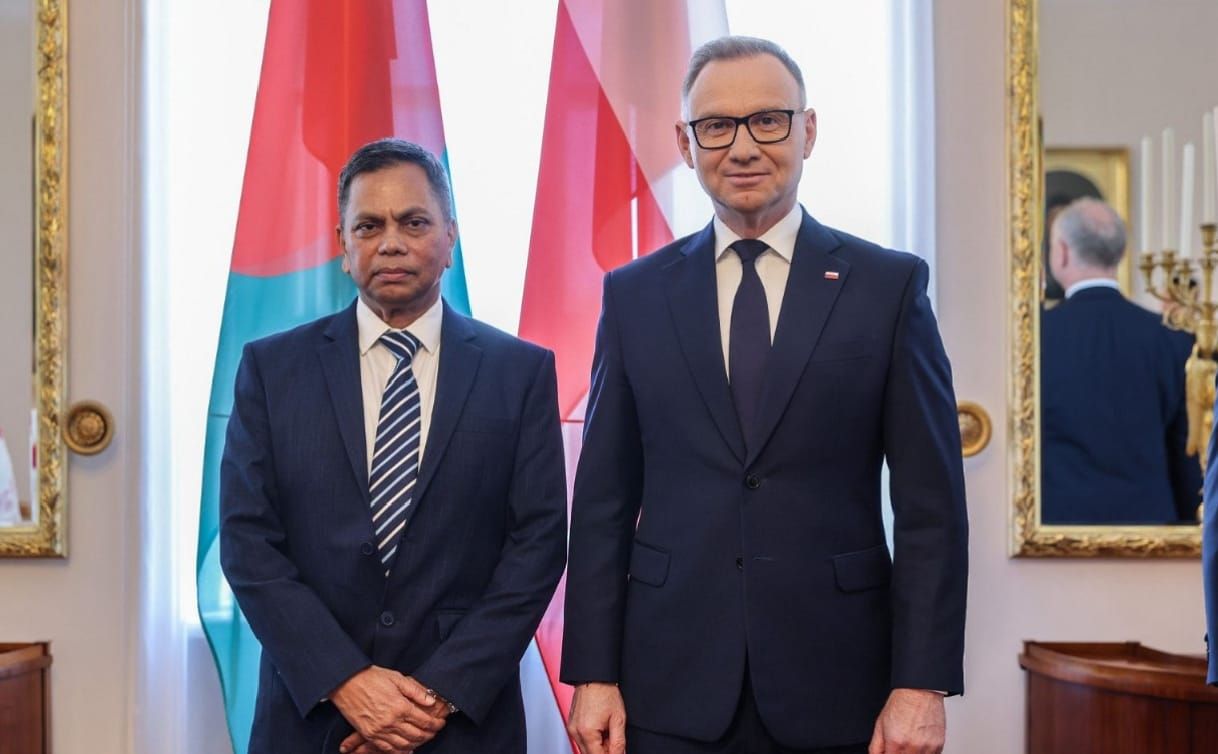
Meanwhile, Ambassador Extraordinary and Plenipotentiary of Bangladesh to Poland Md. Mainul Islam, ndc, BPM presented his letters of credence to President of the Republic of Poland Andrzej Duda at a formal ceremony held at the Belweder Palace in Warsaw on 02 July 2025. The Polish Army rendered a Guard of Honour to the Ambassador on this occasion.
President Andrzej Duda welcomed the Ambassador and assured him of full support. The President appreciated Bangladesh's development trajectory and growing regional importance and expressed his willingness to work together on issues of mutual interest at the bilateral and multilateral levels.
During the ceremony, Ambassador Islam conveyed the warm greetings and best wishes of the Hon'ble President and the Hon'ble Chief Advisor of Bangladesh to the President of Poland. He expressed his commitment to further strengthening the friendly relations and multifaceted cooperation between Bangladesh and Poland, especially in the fields of trade and investment, education, labour, technology, and cultural exchange. He specifically emphasized the importance. of establishing a full-fledged Polish Embassy in Dhaka.
Later, Ambassador Md. Mainul Islam paid floral tribute at the 'Tomb of the Unknown Soldier' as a gesture of respect to Poland's rich heritage and sacrifices.
West-Middle East conflict, time for Bangladesh to tap the...
1
Misbah Chowdhury: World politics is changing rapidly. The Mi...
Algerian Independence Day: A Legacy of Freedom, Courage, ...
2
Decolonisation is the most radical change within the system of the twentieth century, the arch...
IBCCI promoting regional trade network within SAARC
3
President of the India-Bangladesh Chamber of Commerce and Industry (IBCCI) Md. Moshiur Rahman ...
Prime Minister Tarique Rahman’s “Bangladesh First” Doctri...
4
Dr Mohammad Tarikul Islam (MTI) is a Professor of Government and Politics at Jahangirnagar Uni...
Rohingya Repatriation May Take Years: Why Bangladesh Need...
5
Misbah Chowdhury: Bangladesh’s response to the Ro...



মন্তব্য (0)