
- Lead News
- Open Discussion
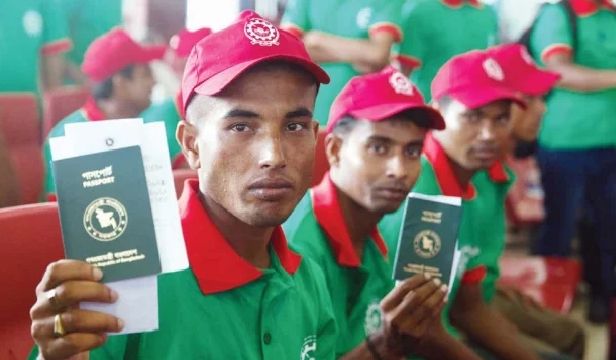
Bangladesh should zero in on irregular and illegal migration
- লিড নিউজ
- Open Discussion
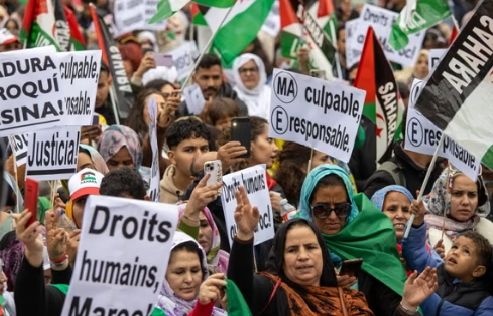
File Photo
Imtiaz Ahmed: Bangladesh should work seriously and meticulously on the matter on irregular and illegal migration to European Union (EU) countries as the European Parliament recently approved a pair of texts aimed at tightening the continent’s migration policy, with backing from an alliance of right and far-right lawmakers, said diplomats, policy–makers and migrant specialists
One of the measures would allow asylum seekers to be sent to countries deemed “safe” by the EU, even if they are not their country of origin.
Far-left lawmaker Damien Careme called it a “Christmas gift to Italian Prime Minister Giorgia Meloni,” in reference to the Italian leader’s plan for migrant processing centres in Albania, which faces legal hurdles, according to Arab Weekly.
Meanwhile, a second measure backed by parliament is the creation of a list of countries of origin considered “safe” by the EU, making it harder for their citizens to claim asylum in the bloc.
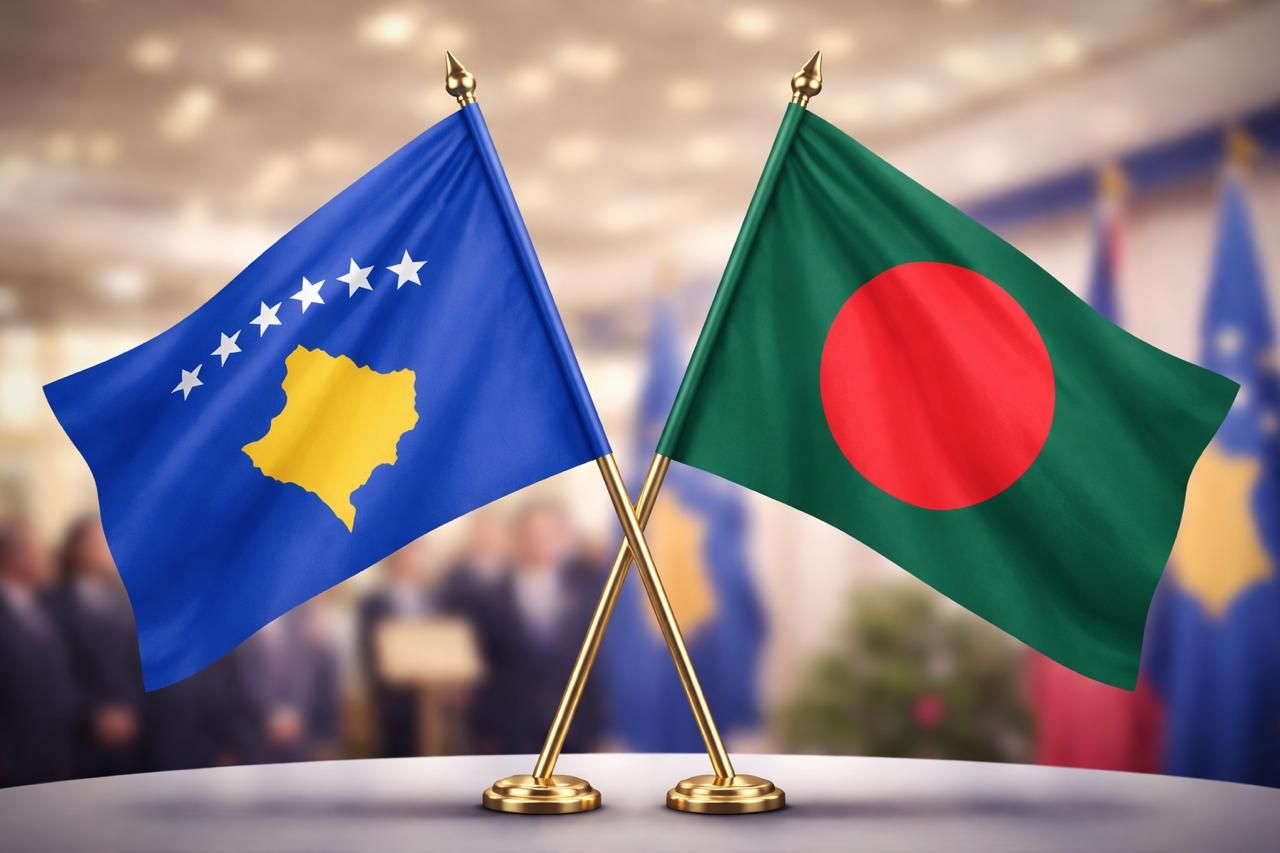
The list includes Kosovo, Bangladesh, Colombia, Egypt, India, Morocco and Tunisia, with the goal of speeding up processing of asylum claims and facilitating returns.
Far-right lawmaker Fabrice Leggeri called the steps necessary to “reduce the unbearable pressure of unfounded asylum requests on our member states.”
A decline in irregular entries to Europe, down by around 20 percent so far in 2025 compared to last year, has not eased the political pressure to act on the hot-button issue.
Nearly one million people applied for asylum in the EU last year and about 440,000 were granted protection.
Bangladesh missions in European Union countries have not proper and reliable statistics of unregistered and irregular Bangladeshis living in Germany, Italy, Spain, France, Greece, Portugal, Poland, Hungary and Romania.
However, sources said the number of unregistered and irregular Bangladeshis is likely higher in Italy, and under the exiting situation, Italy may send them to migrant processing centres in Albania.
Meanwhile, Italy will transform a detention centre it built in Albania for sea migrants into a repatriation hub for failed asylum seekers, in a bid to overcome judicial hurdles that have prevented use of the facility, the Italian government said.
The Albanian site is a key plank of Prime Minister Giorgia Meloni's policy of curbing immigration, but Italian judges have repeatedly annulled the transfer of sea migrants there, on the basis of a ruling by the European Union's Court of Justice.
Meloni's cabinet adopted a decree making it possible to deport to Albania migrants who are in Italy with a pending expulsion order, in an attempt to find a new use for the centre, which has been idle for months.
"That will allow us to immediately reactivate (it)," said Interior Minister Matteo Piantedosi, referring to the detention camp in the village of Gjader, built alongside another facility for identification purposes in the port of Shengjin.
Italy has a poor record on the repatriation of illegal immigrants. In 2023, just over 4,000 were forcibly sent home, roughly a third of the number returned by France and Germany, official data show.
Meloni built the camps in Albania hoping they would be able to process some 36,000 male asylum applicants per year from a government list of safe countries, with the idea of swiftly repatriating them after the likely rejection of their requests.
Initial estimates said Italy's protocol with Albania would cost more than 600 million euros ($646 million).
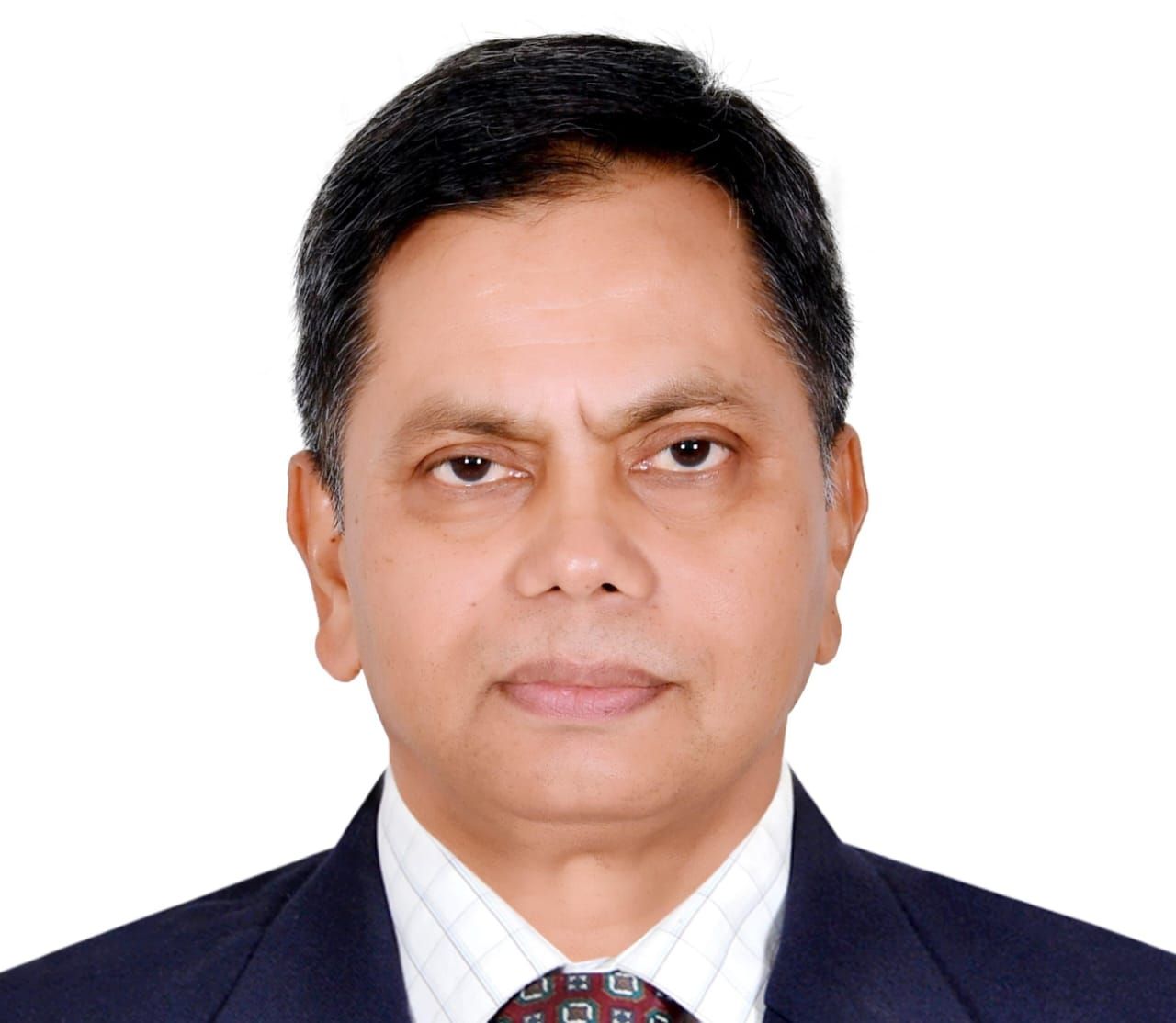
Meanwhile, President of Bangladesh Enterprise Institute (BEI) M Humayun Kabir while talking to this correspondent said that Bangladesh should work on this issue very seriously
Top politicians, policymakers, members of civil society and student leaders of Bangladesh should work together on preventing and discouraging of illegal migration, said M Humayun Kabir, former Bangladesh Ambassador to USA.
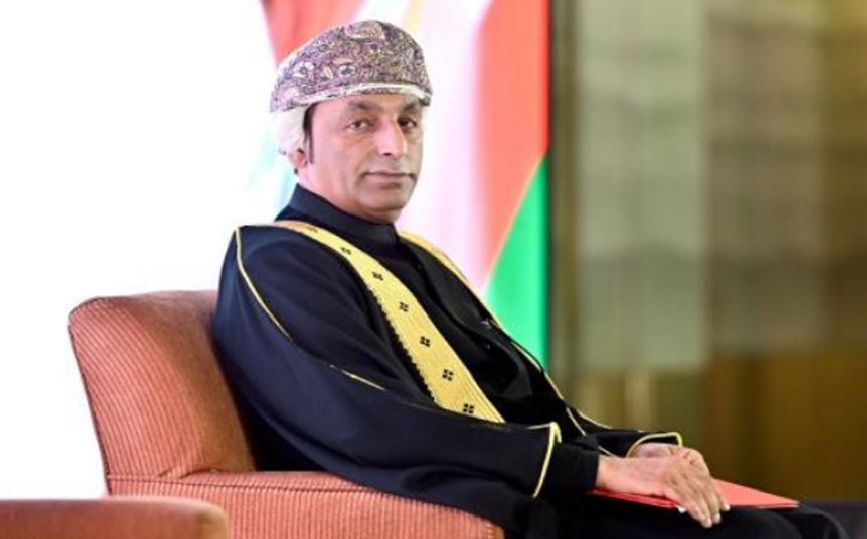
Meanwhile, Italian Ambassador to Bangladesh Antonio Alessandro said that Italy, as an EU member, promotes and supports regular and legal migration, as it requires manpower in different sectors.
"Bangladesh should put greater emphasis on legal migration, which would help the country secure a larger share of the Italian labour market," he said.
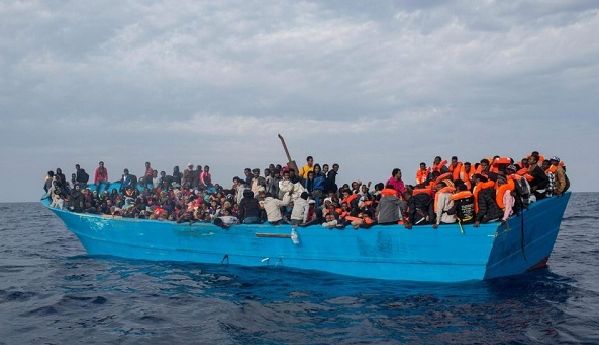
He expressed concern that many young Bangladeshis spend around €15,000 attempting to reach Italy through brokers and smugglers, taking enormous risks crossing the Mediterranean Sea. "They should engage in small businesses and avoid such perilous journeys, which often end in tragedy," he said.
To upgrade the status of Bangladesh's passport, he said, "Bangladesh should repatriate illegal migrants, discourage unregistered travel, and promote compliance with visa terms."
"Irregular migration to EU countries remains a major concern, and Bangladesh should engage in constructive dialogue with European nations to promote safe, organised, and legal migration," the envoy said
European countries, particularly Italy has expressed deep concern over irregular and illegal migration and is interested in working with Bangladesh in regularizing the migration.
Bangladesh now ranks top among countries whose citizens are trying to reach Italy by crossing the Mediterranean Sea, according to the European Border and Coast Guard Agency, Frontex.
In just the first six months of this year, at least 9,735 Bangladeshis entered Italy through this route
Meanwhile, Bangladesh sent a total of 83,798 workers to Italy during 2004-2024, according to data of the Bureau of Manpower, Employment and Training (BMET).
According to the IOM’s Missing Migrants Project, the annual number of migrant deaths and disappearances in all the Mediterranean jumped from 2,048 in 2021, to 2,411 in 2022, and to 3,041 by the end of 2023.
Bangladesh exported a total of 16,879 workers to Italy during 2023, the highest number in a single year and 10,950 workers in 2007, the second highest in a single year. However, the migration to Italy recorded at 1,164 in 2024 and 2035 until May, 2025.
Meanwhile, the interim and next elected political government should strictly punish the human traffickers and launch a massive social awareness against this social disease, said a Bangladesh working in a country of European Union ….
The right wing politics in the European Union countries are gaining momentum raising sentiment against incumbent immigrants and illegal migrants.
Expat Bangladeshis living in Italy sent remittance worth 738.79 million US dollars home in 2021, 1161.51 million US dollars in 2022, 1357.43 million US dollars in 2023 and 1478.94 million US dollars in 2024, according to the data of Bangladesh Bank.
Meanwhile, the irregular migration to some European Union (EU) countries is a matter of concern and Bangladesh should engage in constructive dialogues with EU countries to encourage safe, organised and regular migration, sources in Dhaka and Brussels said.
Bangladesh missions in Italy, Germany, Spain, France, Portugal, Poland, Greece, Romania and Brussels have no proper documentation of regular and irregular Bangladeshis living in EU countries, sources said.
The regular migration to the European Union countries, specially to Italy should be encouraged, and Dhaka will seriously work on safe, organised and regular migration to Italy…..
As the population in European countries is decreasing, Europe's "survival" depends on migration, Volker Türk, the United Nations High Commissioner for Human Rights.
EU parliament backs measures facilitating deportation of illegal migrants to ‘safe’ countries
"The government of Italy will continue with determination to allow legal migration channels, benefiting important sectors of our economy," Interior Minister Matteo Piantedosi told daily La Stampa recently.
To counter the ongoing depopulation and maintain current levels of inhabitants, Italy would need to take in at least 10 million immigrants by 2050, according to research by the Osservatorio Conti Pubblici think tank.
Over the last two decades in Europe, Denmark has led the way in implementing increasingly restrictive policies in its immigration and asylum system, with top leaders aiming for “zero asylum seekers” arriving in the country.
First, Denmark has made family reunions tougher, keeping the bar of conditions comparatively higher than it is in allied countries. Those who live in estates designated as “parallel societies”, where more than 50 percent of residents are from so-called “non-Western” backgrounds, are barred from being granted family reunion. This has been decried by rights groups as racist for refugees’ ethnic profiling.
In Denmark, a refugee with residency rights must meet several criteria for their partner to join them in the country. Both must be age 24 or older, the partner in Denmark must not have claimed benefits for three years, and both partners need to pass a Danish language test.
West-Middle East conflict, time for Bangladesh to tap the...
1
Misbah Chowdhury: World politics is changing rapidly. The Mi...
Algerian Independence Day: A Legacy of Freedom, Courage, ...
2
Decolonisation is the most radical change within the system of the twentieth century, the arch...
IBCCI promoting regional trade network within SAARC
3
President of the India-Bangladesh Chamber of Commerce and Industry (IBCCI) Md. Moshiur Rahman ...
Prime Minister Tarique Rahman’s “Bangladesh First” Doctri...
4
Dr Mohammad Tarikul Islam (MTI) is a Professor of Government and Politics at Jahangirnagar Uni...
Rohingya Repatriation May Take Years: Why Bangladesh Need...
5
Misbah Chowdhury: Bangladesh’s response to the Ro...



মন্তব্য (0)