
- Open Discussion
Bangladesh can overcome current economic challenges, Says former Poland’s Charge d’ Affaires in Bangladesh Piotr A. Opalinski
- Open Discussion
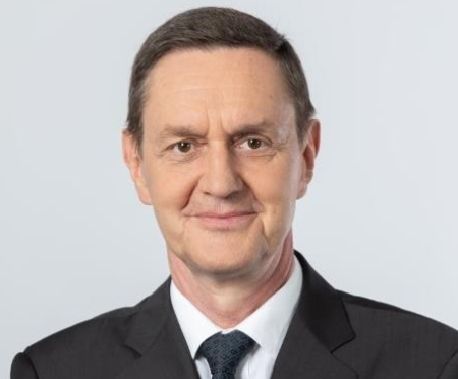
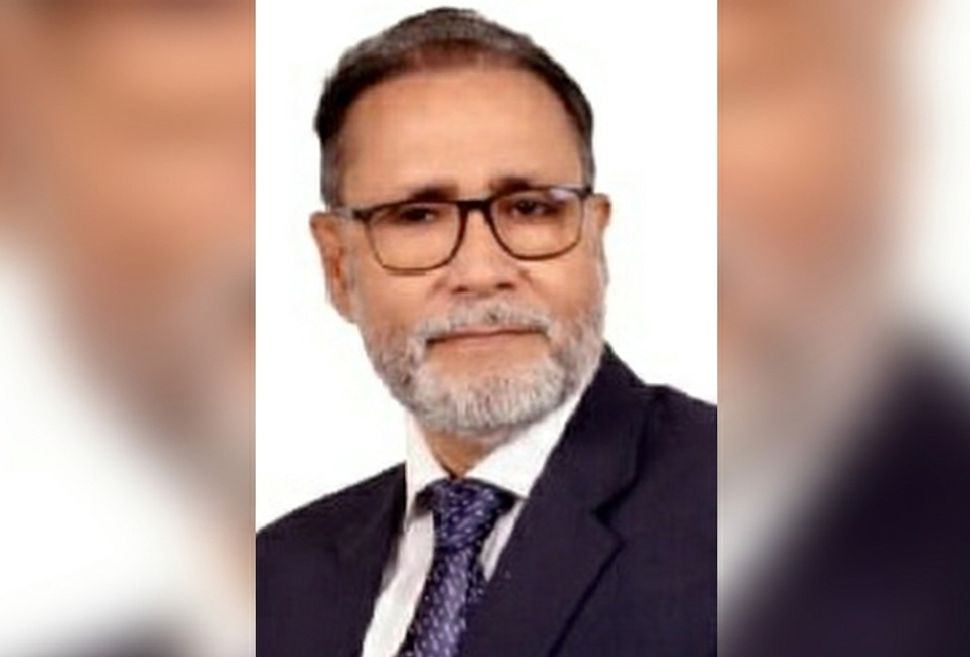
File Photo
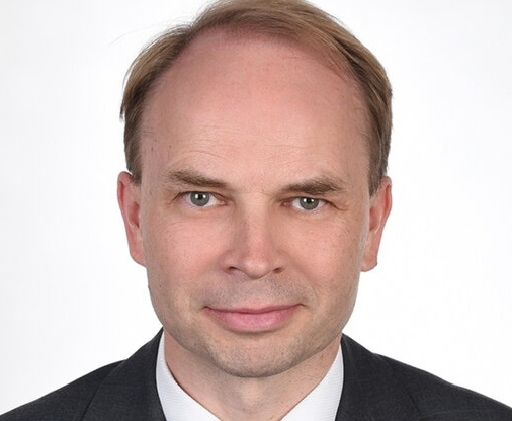
Former Poland’s Charge d’ Affaires of Poland in Bangladesh and now Program Director, Asian Observatory, Centre for International Relations (CSM), Warsaw, Piotr A. Opalinski, in an interview with Creative News International (CNI) said that Bangladesh can overcome current economic challenges through structural reforms, strategic investments in human capital, and diversification of its economy.
Piotr A. Opalinski served first as Poland’s Charge d’ Affaires in Bangladesh during 1991--1997, as well as a non-resident envoy to Dhaka later during 2008—2014 and is now Program Director, Asian Observatory, Centre for International Relations (CSM), Warsaw.
The rest part of the interview is given below:
01. Question . The National election of Bangladesh is going to be held on February 12, 2026. How do you see the preparation of the interim government in holding the next election?
Preparations so far are moving in the right direction. A free and fair election is crucial for Bangladesh’s democratic credibility. Success will depend on administrative readiness, inclusivity, impartial oversight, and transparent monitoring. If conducted properly, this election could restore public trust and set a positive precedent for future democratic practices.
02 Question . The massive student protest in Bangladesh compelled former Prime Minister Sheikh Hasina to quit power and leave the country on August 5, 2024. How do you see the new Bangladesh under the leadership of Professor Dr Mohammad Yunus and driven by the youth?
Professor Dr Mohammad Yunus combines credibility, vision, and social entrepreneurship. Together with the energy of Bangladesh’s youth, this leadership has the potential to bring meaningful change. We are witnessing a generational shift where innovation, inclusivity, and responsiveness to public aspirations can become the hallmarks of governance. The challenge will be translating this enthusiasm into concrete policies that deliver tangible results.
Question 03. Bangladesh celebrated 54 years of Independence in 2025. How do you see the social achievements of Bangladesh after 50 years?
Having served first as Poland’s Charge d’ Affaires in Bangladesh from 1991 to 1997, as well as a non-resident envoy to Dhaka later from 2008 to 2014, I have observed the country’s development over decades firsthand. Bangladesh has made remarkable progress in education, healthcare, and poverty reduction. Literacy rates have improved, maternal and child health indicators show steady gains, and microfinance programs have empowered millions. Social resilience, especially in facing natural disasters, is notable. Challenges remain in addressing inequality and regional disparities, but continued focus on inclusive development and effective governance can build on these achievements.
04 Question . The 15-year plus rule of former Prime Minister Sheikh Hasina regime has put the economy of Bangladesh in shambles. How can Bangladesh overcome the economic challenges?
Bangladesh can overcome current economic challenges through structural reforms, strategic investments in human capital, and diversification of its economy. Innovation and technology-driven growth are critical. Strengthening governance, fiscal discipline, and transparency will help restore investor confidence and set the country on a path toward sustainable, inclusive growth.
05 Question. What is the present trade volume between Bangladesh and Poland? What is our target to reach bilateral trade within the next five years?
Bilateral trade is growing but remains modest compared to its potential. In 2024, Poland imported approximately USD 3.99 billion from Bangladesh, mostly ready-made garments and textiles, while exports from Poland to Bangladesh reached around USD 50 million, mainly industrial goods, machinery, and paper products. This imbalance highlights opportunities for growth. Over the next five years, expanding two-way trade through stronger industry cooperation, product diversification, and improved trade facilitation could create a more balanced and strategic partnership.
06. Question. What are major challenges of the new political government in the coming days? How do you see the challenges?
The government faces multiple challenges: economic recovery, political stability, rising public expectations, and strengthening institutions. Regional geopolitics will also influence domestic priorities. Success will require effective policy implementation, inclusive governance, and building trust with citizens, businesses, and international partners.
07. Question. What is the number of Bangladeshis living in Poland and how do you evaluate their contribution to our country? How many Bangladeshis are registered in your country?
The Bangladeshi community in Poland, though small, contributes meaningfully to academia, business, healthcare, and technology. Officially, several hundred are registered, but the actual number may be higher, including students and temporary workers. Their engagement enriches cultural diversity and strengthens bilateral ties.
08 Question . Foreign direct investment (FDI) to Bangladesh recorded at 3.0 billion US dollars in 2023 as compared to 3.5 billion US dollars in 2022. The new government has been working hard on improving the business environment in Bangladesh. What are your observations about the business environment in Bangladesh? How do you see the prospect of Polish investment in Bangladesh?
Bangladesh offers a young workforce, growing urbanization, and improving connectivity. FDI has fluctuated slightly, but reforms in business regulations, taxation, and investment facilitation are encouraging. Polish investors can find opportunities in renewable energy, manufacturing, ICT, and infrastructure. With consistent policy support and institutional stability, long-term investment prospects are promising.
09 Question . How do you see the prospect of a Blue Economy in Bangladesh?
Bangladesh has significant potential in the Blue Economy, leveraging its access to the Bay of Bengal. Fisheries, maritime transport, renewable energy, and coastal tourism can drive economic growth and create jobs. Sustainable management, technological innovation, and strong regulatory frameworks are key to realizing this potential.
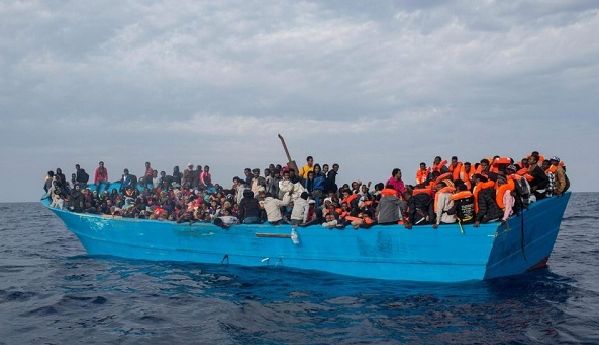
10 question . Illegal migration in EU countries is a matter of concern. How do you see the matter of illegal migration?
Illegal migration is a complex challenge that requires a comprehensive approach. Beyond economic or social motivations, migrants are sometimes exploited in hybrid warfare—for example, being pushed from Belarus into Poland—exposing them to serious risks at a tightly controlled border. Effective solutions require safe and legal migration pathways, addressing root causes in countries of origin, and international cooperation on border management. These measures protect migrants and reduce the risks of irregular movement.
11. India is a close neighbor of Bangladesh. How do you see the relations between Bangladesh and India in the coming days?
Bangladesh-India relations are deeply interconnected, with strong historical, cultural, and economic ties. We can expect continued collaboration in trade, connectivity, water management, and regional security, alongside pragmatic handling of occasional differences. Mutual respect and constructive dialogue will remain the foundation for a stable and productive partnership.
……
Bio-data ……
Piotr A. Opalinski
Program Director, Asian Observatory, Centre for International Relations (CSM), Warsaw.
Curriculum Vitae
Diplomatic career:
From August 16, 2021 - till retirement from the diplomatic and civil service on July 21, 2023 - Minister Plenipotentiary at the Ministry of Foreign Affairs of the Republic of Poland.
August 2015 - August 2021 - Ambassador Extraordinary and Plenipotentiary of the Republic of Poland in the Islamic Republic of Pakistan (from 01/11/2015 - Ambassador ad Personam);
August 2014 - July 2015 - Minister-Counsellor for the Mashreq and Maghreb countries at the Department of Africa and the Middle East of the Ministry of Foreign Affairs;
August 2008 - August 2014 - Minister-Counsellor & Deputy Head of the Embassy of the Republic of Poland in New Delhi (09.2008-09.2009, 07-08.2014 - Chargé d'Affaires a.i.);
From October 2008 - Member of the Polish Civil Service;
September 2005 - August 2008 - First Counsellor for the South Africa Region at the Department of Africa and the Middle East of the Ministry of Foreign Affairs; from January to March 2007 deputed as Chargé d'Affaires a.i. in the United Republic of Tanzania, and from June to July 2007 - in the Republic of Angola;
August 1999 - August 2005 - First Secretary / Counsellor / First Counsellor / at the Embassy of the Republic of Poland in Islamabad, Deputy Head of the Mission, and in the period 05.2000-02.2001, 11.2003-07.2004 - Chargé d'Affaires a.i.;
August 1997 - August 1999 - Advisor to the Minister for relations with Israel, Kingdom of Jordan and the State of Palestine in the Department of Africa and the Middle East of the Ministry of Foreign Affairs;
October 1991 - August 1997 - Second Secretary / First Secretary and Chargé d'Affaires a.i. in the People’s Republic of Bangladesh;
December 1990 - October 1991 - Counsellor /Senior Counsellor for relations with India, Pakistan, Bangladesh, Sri Lanka, Nepal in the Department of Africa, Asia, Australia and Oceania of the Ministry of Foreign Affairs;
Education:
M.A. in Oriental Studies, Tashkent State University (1985);
Postgraduate studies in diplomacy, Polish Institute of International Affairs (1987)
and public administration at the National School of Public Administration (2007);
Training in European Studies at the Institute of International Relations Clingendael
in The Hague (1991).
Awards:
Golden Cross of Merit by the President of Poland, 2013,
Sitara-i-Qaid-i-Azam by the President of Pakistan, 2023.
Knowledge of languages:
English, Russian, basic Hindi and Urdu, native Polish.
West-Middle East conflict, time for Bangladesh to tap the...
1
Misbah Chowdhury: World politics is changing rapidly. The Mi...
Algerian Independence Day: A Legacy of Freedom, Courage, ...
2
Decolonisation is the most radical change within the system of the twentieth century, the arch...
IBCCI promoting regional trade network within SAARC
3
President of the India-Bangladesh Chamber of Commerce and Industry (IBCCI) Md. Moshiur Rahman ...
Prime Minister Tarique Rahman’s “Bangladesh First” Doctri...
4
Dr Mohammad Tarikul Islam (MTI) is a Professor of Government and Politics at Jahangirnagar Uni...
Rohingya Repatriation May Take Years: Why Bangladesh Need...
5
Misbah Chowdhury: Bangladesh’s response to the Ro...



Comment (0)