

- Lead News
- International
Italy Calls for Diplomacy, Maritime Security and Food Stability Amid Hormuz Crisis
- লিড নিউজ
- International
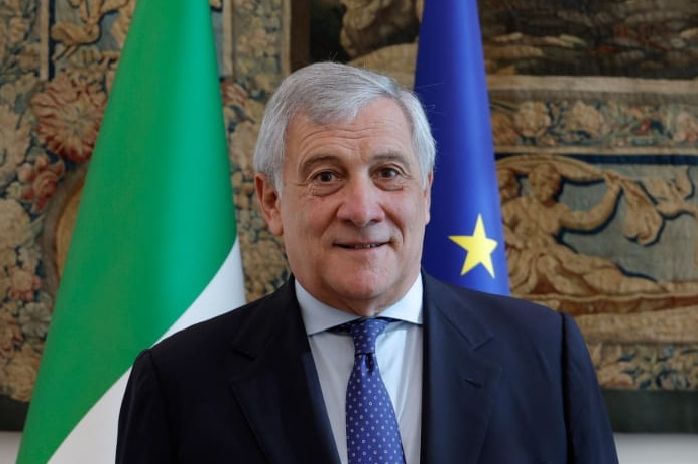
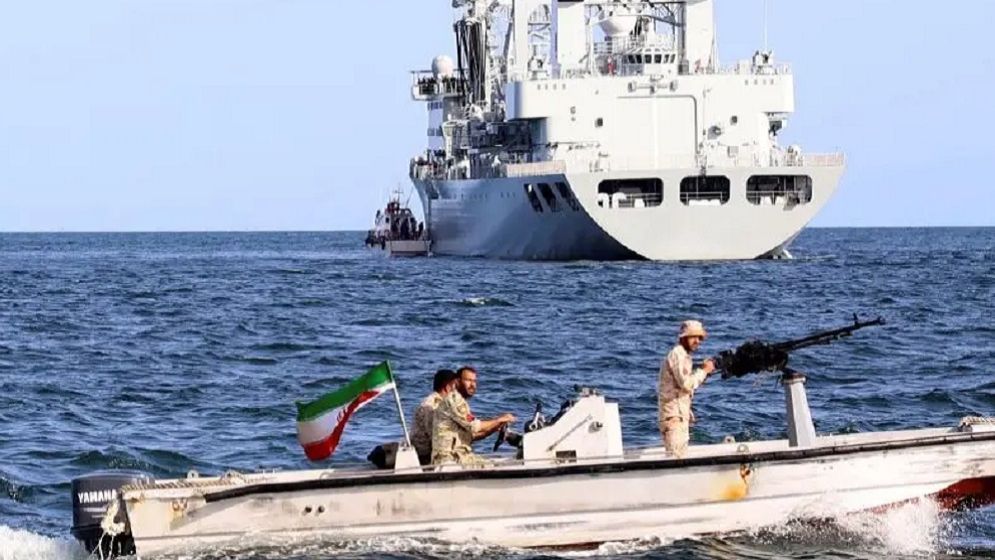
File Photo
Antonio Tajani:
Italy has reaffirmed its commitment to diplomatic engagement, maritime security and humanitarian stability in response to the escalating crisis surrounding the Strait of Hormuz, according to Italian Deputy Prime Minister and Foreign Minister Antonio Tajani.
Since the outbreak of tensions involving Iran and the United States, Italy has worked closely with European partners, the G7 and international organisations to promote a cessation of hostilities, restore freedom of navigation in the Strait of Hormuz and safeguard regional stability in the Middle East.
Speaking before a parliamentary committee in Rome, Tajani described the blockade of the Strait of Hormuz as “not merely a regional crisis, but a global shock” with far-reaching implications for energy security, industrial competitiveness and international economic stability.
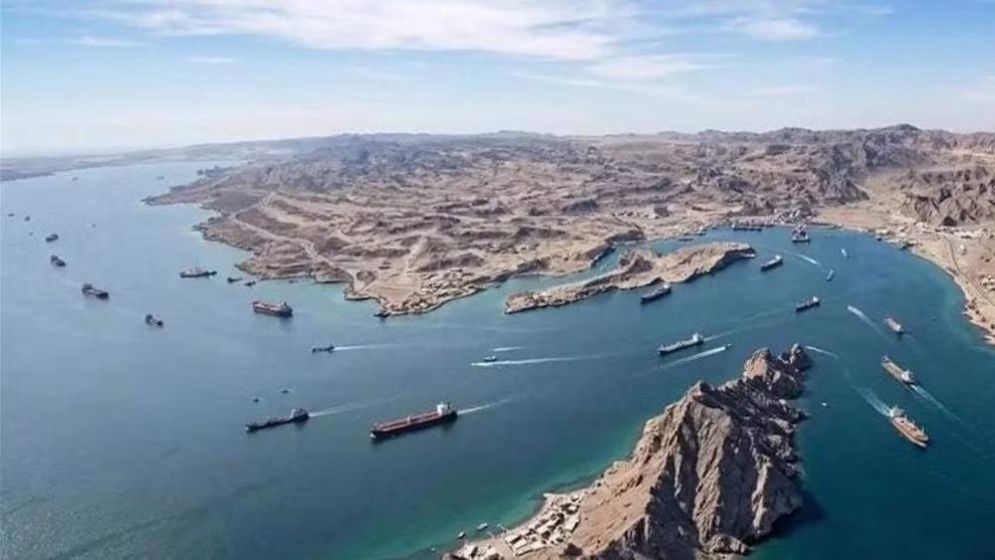
The Strait of Hormuz remains one of the world’s most critical maritime trade corridors, through which approximately 20 percent of global oil supplies and nearly a quarter of liquefied natural gas exports pass. Italy warned that continued insecurity in the region could severely impact global supply chains, raise energy costs and disrupt international trade.
As an export-driven economy, with exports accounting for nearly 40 percent of its GDP, Italy considers the stability of maritime routes essential. Despite global economic slowdowns and tariff pressures, Italian exports reportedly grew by 3.3 percent in 2025, underscoring the importance of uninterrupted trade routes.
Beyond Europe, Rome also expressed concern over the humanitarian consequences of the crisis for vulnerable countries across Africa and the Mediterranean region. Around 30 percent of global fertiliser exports transit through Hormuz, making the situation particularly alarming for nations dependent on agricultural imports.
Italy highlighted Sudan as an example, warning that rising fertiliser and energy prices could worsen food insecurity, inflation, famine and migration pressures.
To address these challenges, Italy, together with Croatia — the current President of the MED9 group — convened a high-level meeting in Rome earlier this month involving 30 countries from the Mediterranean, Middle East and Balkans, alongside the Food and Agriculture Organization (FAO). The initiative launched the “Rome Coalition for Food Security and Access to Fertilisers,” aimed at identifying urgent and practical solutions to emerging food security risks.
Italy also reiterated its longstanding position that diplomacy remains the only viable path toward resolving tensions involving Iran, Israel and the United States. Tajani stressed that Tehran must not acquire nuclear weapons or advanced missile systems capable of further destabilising the region.
The Italian government strongly condemned attacks targeting civilian infrastructure and residential areas across Gulf countries, expressing solidarity with the United Arab Emirates, Qatar, Kuwait, Oman and Saudi Arabia.
On the diplomatic front, Tajani confirmed ongoing communication with US Secretary of State Marco Rubio and Iranian Foreign Minister Abbas Araghchi. Italy has urged Tehran to negotiate in “good faith,” resume cooperation with the International Atomic Energy Agency and rebuild constructive relations with Gulf nations.
Italy has also engaged China in diplomatic discussions. During a recent visit to Beijing, Tajani met Chinese Foreign Minister Wang Yi and called on China to play a more active mediating role with Tehran.
At the operational level, Italy expressed readiness to contribute to future international naval missions aimed at restoring secure maritime navigation in the Strait of Hormuz. Rome also called for strengthening the European maritime mission ASPIDES, currently involving Italy and Greece in Red Sea patrol operations.
According to Tajani, Italy could provide expertise in mine-clearing operations and maritime protection missions as part of a broader multinational security framework once the conflict subsides.
Italy further emphasised that lasting peace in the Middle East is closely tied to stability in Lebanon. Rome continues to support dialogue between Israel and Lebanon under US mediation and has offered to host direct negotiations between the parties.
During a recent visit to Lebanon, Tajani reaffirmed Italy’s support for transforming the current ceasefire into a broader peace process in discussions with Lebanese President Joseph Aoun.
The Italian government also reiterated its commitment to the safety of Italian personnel serving in the United Nations Interim Force in Lebanon (UNIFIL), the bilateral MIBIL mission and the Italian-led Military Technical Committee for Lebanon.
In Brussels, European ministers recently approved additional sanctions against extremist Israeli settlers involved in violence in southern Lebanon, as well as further sanctions targeting Hamas militants. Italy stressed that the disarmament of Hamas remains a priority while continuing humanitarian engagement in Gaza and the Palestinian Territories.
Rome also reaffirmed support for a two-state solution, envisioning Israelis and Palestinians living side by side in peace and security.
As part of its long-term commitment to Palestinian development, Italy recently welcomed 72 Palestinian students awarded scholarships at Italian universities — a move Rome described as an investment in training the future Palestinian leadership.
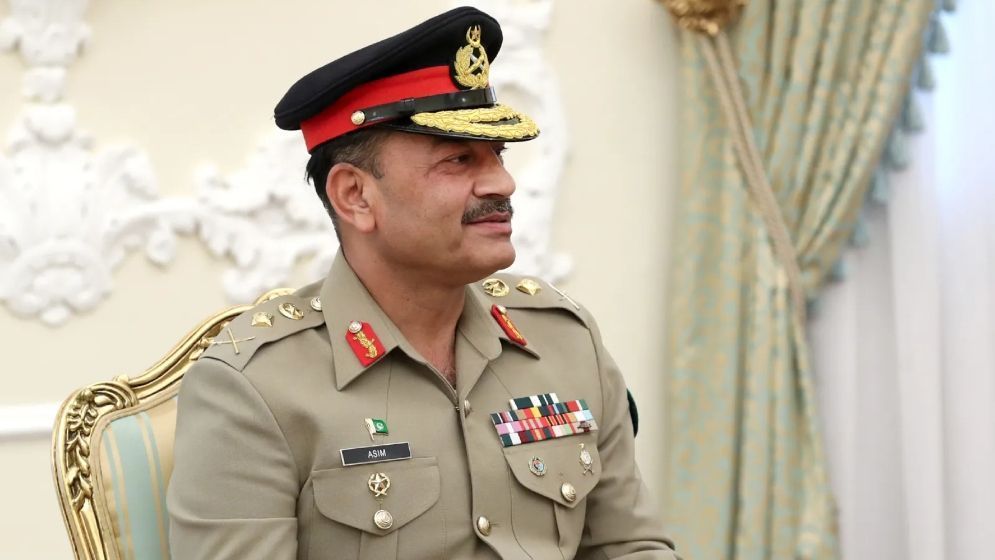
Pakistan army chief Asim Munir on the way to Iran
1
News desk: Pakistan's influential army chief General Asim Munir is going to visit Tehran w...
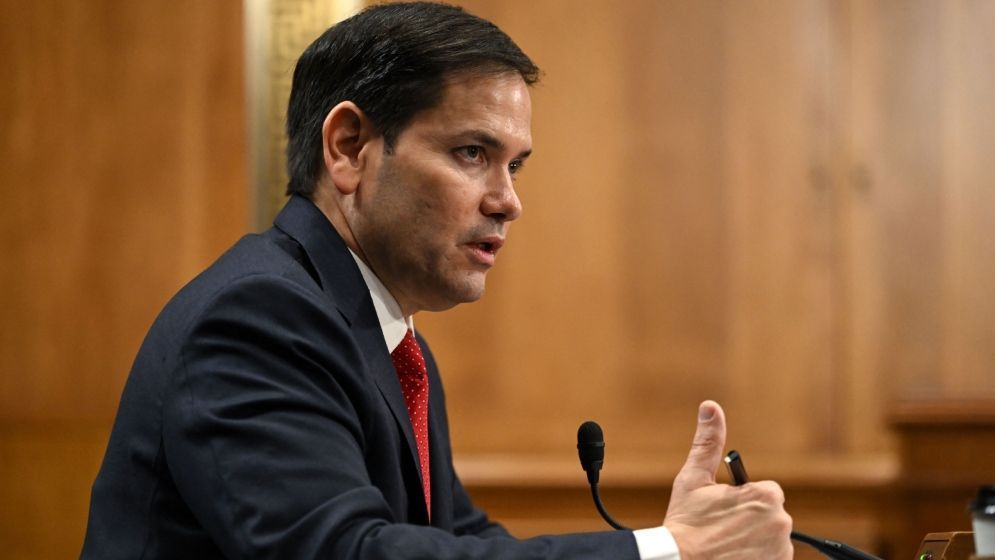
The US Secretary of State's call for 'Plan B' regarding t...
2
News Desk: US Secretary of State Marco Rubio called for an alternative plan or 'Plan B'...
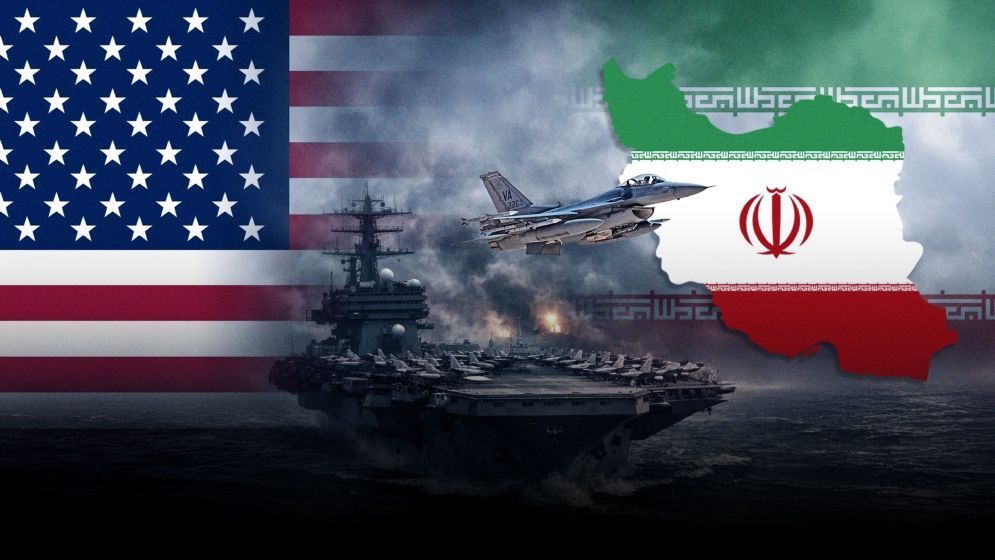
What conditions did Iran give to the United States in the...
3
News Desk: Iran’s latest peace proposal aimed at easing tensions with t...
Sea of Oman will be the graveyard of US troops
4
News desk: The United States has blockaded the ports of Iran in anger of closing the Strait of...
Netanyahu's corruption case hearing canceled again
5
News Desk: Due to a last-minute urgent application made by the defendant citing security and p...



Comment (0)