- Lead News
- Diplomatic News
Bangladesh to get duty-free access for 97% of products in the South Korean market.
- লিড নিউজ
- Diplomatic News
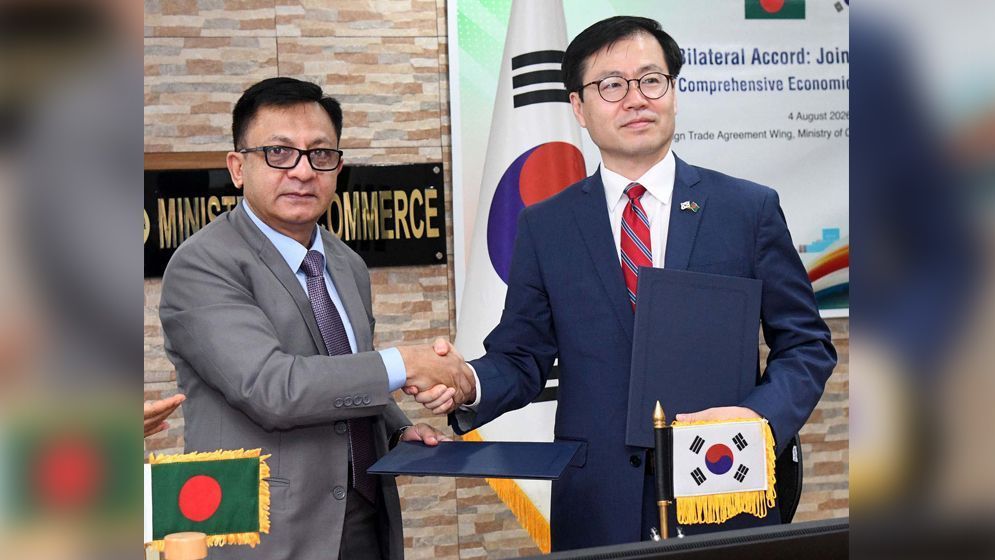
Photo: Collected
News Desk: Bangladesh will receive preferential tariff benefits for 97 percent of products exported to the South Korean market. At the same time, Bangladesh will provide preferential market access for 87 percent of South Korean products.
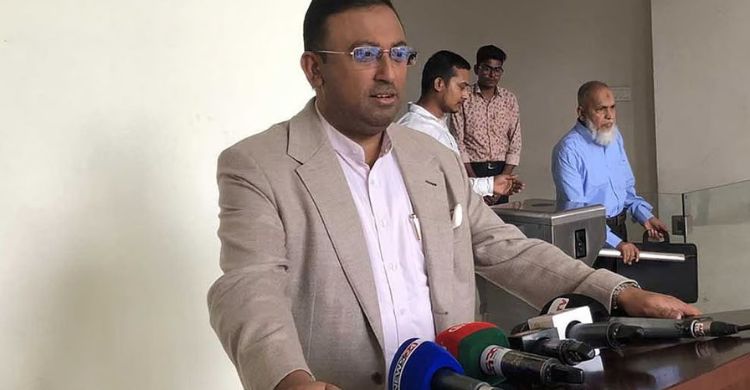
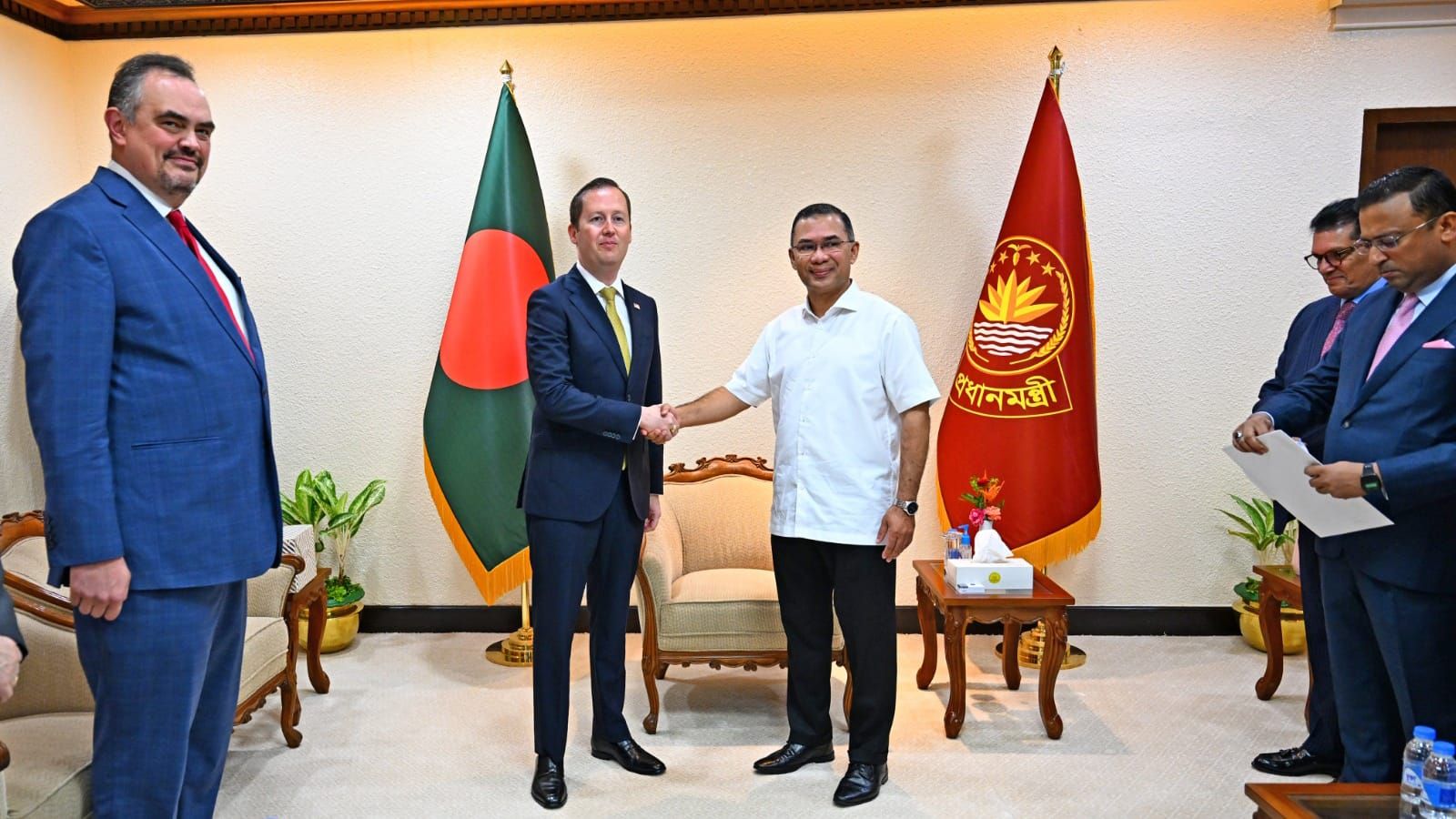
These include selected agricultural products, plastics, and completely knocked down (CKD) goods. Commerce Minister Khandokar Abdul Muktadir shared this information at a joint press conference held at the Secretariat on Tuesday following the signing ceremony of the Comprehensive Economic Partnership Agreement (CEPA) between Bangladesh and South Korea.
The Commerce Minister further stated that CEPA is a historic achievement for Bangladesh. It will create new employment opportunities, increase exports, and further accelerate the country's economic growth.
The Minister added that as a result of this agreement with South Korea, Bangladesh's major export sectors—including ready-made garments, leather goods, and jute products—will gain easier access to the South Korean market. Additionally, it will play a vital role in export diversification and enhancing Bangladesh's competitiveness in the global market. Ensuring preferential access for Bangladeshi goods in South Korea is a major milestone for the country, bringing trade and economic cooperation between the two nations to new heights.
The Commerce Minister noted that CEPA will play a crucial role in maintaining Bangladesh's trade competitiveness after graduating from the Least Developed Country (LDC) status and in attracting foreign direct investment (FDI).
He mentioned that Bangladesh aims to become a 1 trillion USD economy by 2034. Achieving this target relies on more than just internal resources; attracting advanced technology and quality foreign investment is indispensable.
Referring to South Korea as a technology-driven economy worth nearly 2 trillion USD, the Commerce Minister expressed hope that South Korean investment will increase in various sectors through this agreement, including semiconductors, information technology, shipbuilding, ship recycling, and light engineering.
At the event, South Korean Trade Minister Yeo Han-koo praised Bangladesh's economic progress and stated that finalizing this agreement within a short period is a major success for Bangladesh.
He noted that until now, economic relations between the two countries primarily centered around the ready-made garment sector. Now, it will expand into broader areas including industrial cooperation, technology, and investment.
Highlighting Bangladesh's vast youth population, the South Korean Trade Minister mentioned that skilled human resources have turned Bangladesh into a promising production hub for Korean companies. Korean firms manufacturing in Bangladesh will have the opportunity to export products to their home country as well as other global markets.
In response to a question regarding the timeline of the agreement negotiations, Abdul Muktadir stated that the CEPA discussions were completed efficiently rather than in a rush.
He noted that finalization of such trade agreements typically takes 10 to 20 years. However, through continuous government efforts, negotiations were successfully concluded in just six months.
Abdul Muktadir added that the interest of domestic industries was given the utmost priority and protection throughout the negotiations. To ensure transparency, the full text of CEPA will be published so all stakeholders can understand the details and long-term benefits of the agreement.
Both countries expressed optimism that this agreement will mark the beginning of a new chapter in economic relations between Bangladesh and South Korea, while creating new opportunities for bilateral trade expansion, increased investment, and sustainable economic growth.
ASEAN Marks 59th Founding Anniversary in Dhaka, Highligh...
1
Diplomatic Correspondent: The 59th Anniversary of the foundi...
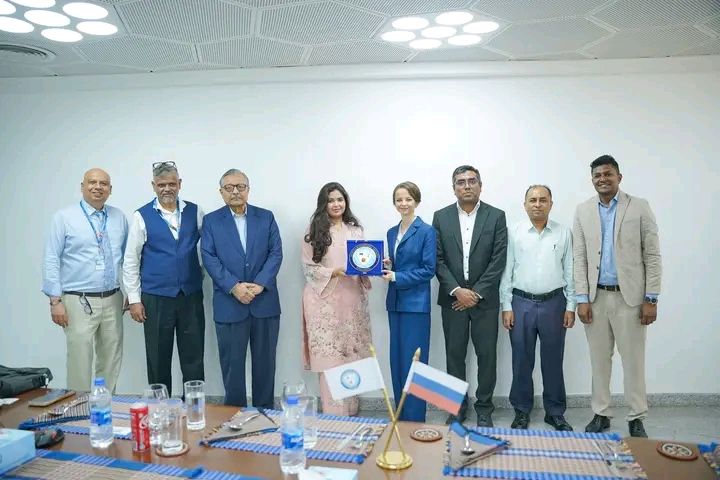
Russian House in Dhaka and AIUB Discuss Future Cooperation
2
Diplomatic Correspondent: The Director of the Russian House ...
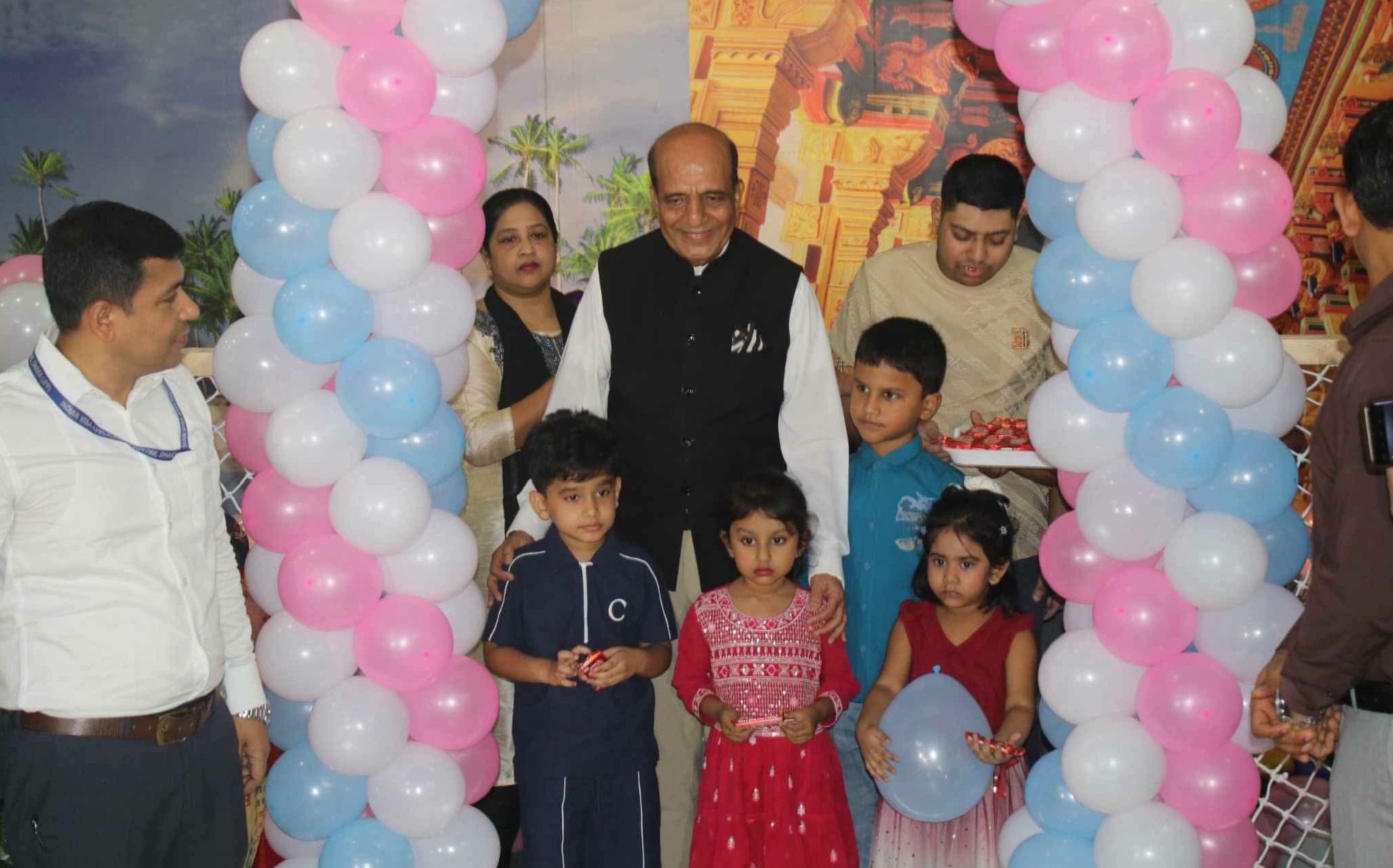
Mother’s Simple Request Leads to New Child-Friendly Play ...
3
Diplomatic Correspondent: A simple request from a mother has...
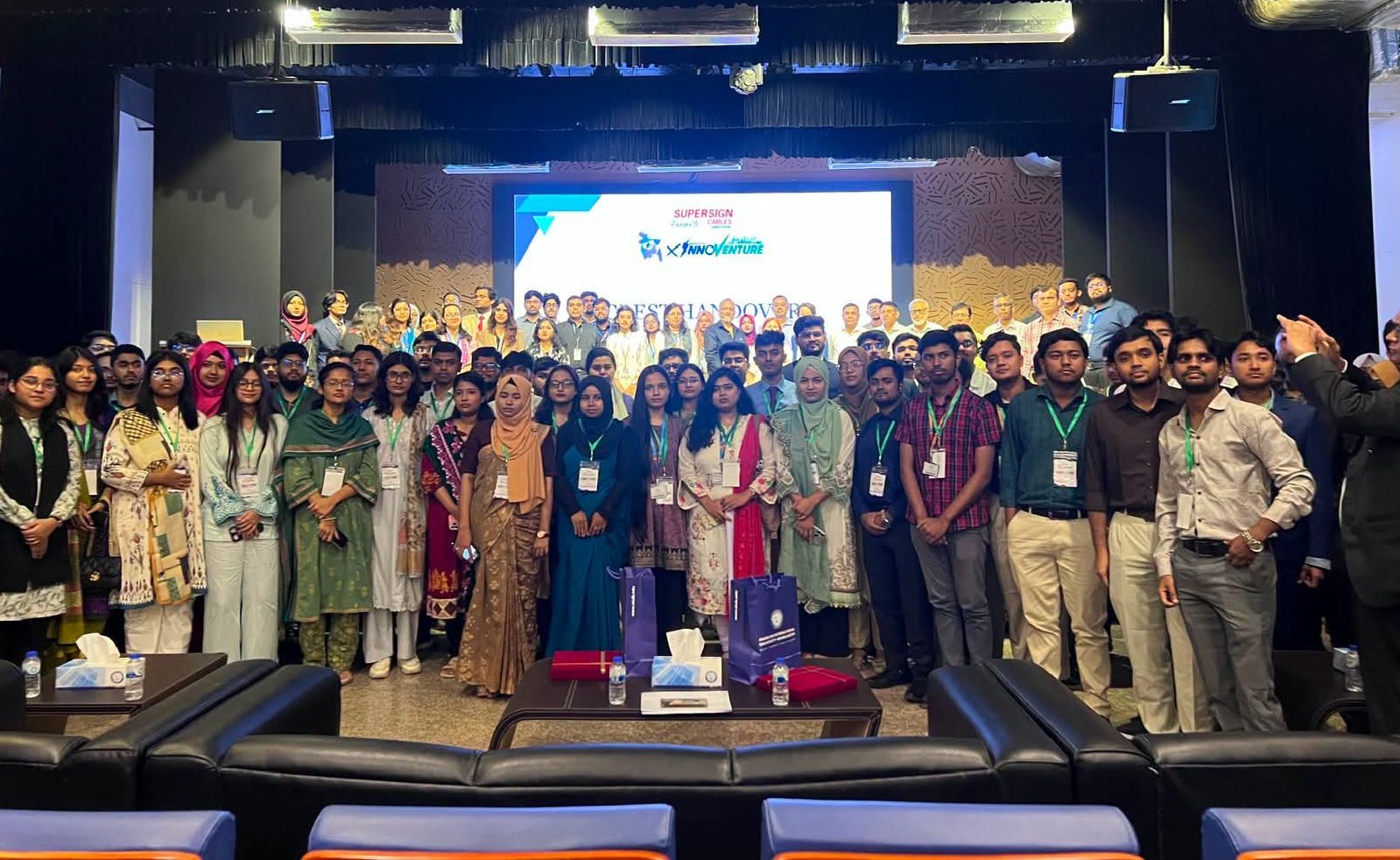
I4N × Innoventure Competition Brings Together Young Inno...
4
Diplomatic Correspondent: The I4N × Innoventure Compet...
Indian High Commission Warns of Visa Fraud, Urges Applica...
5
Diplomatic Correspondent: The High Commission of India in Dh...



মন্তব্য (0)