


- Lead News
- National
Dhaka Forum Holds Strategic Meeting with the Prime Minister of Eswatini at COP31
- লিড নিউজ
- National

Photo: CNI
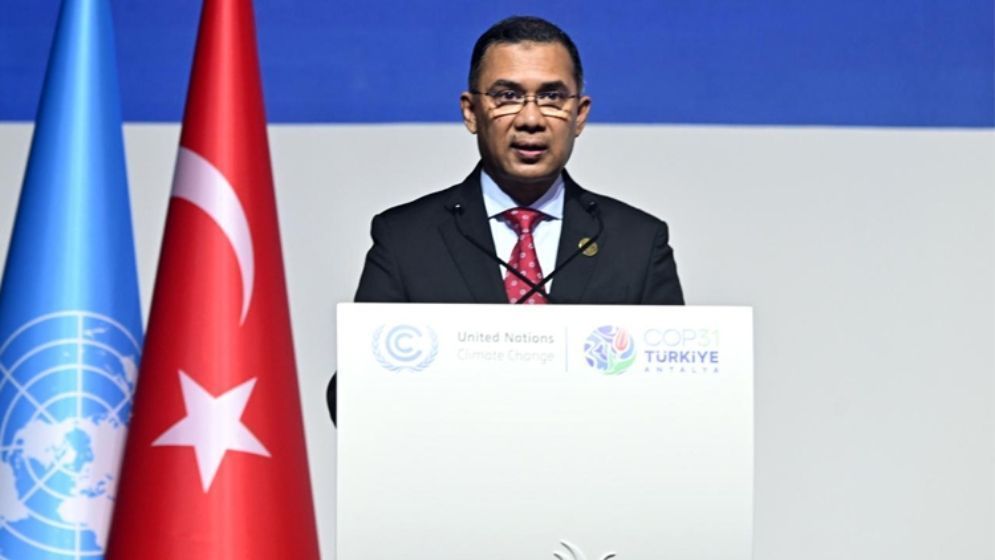
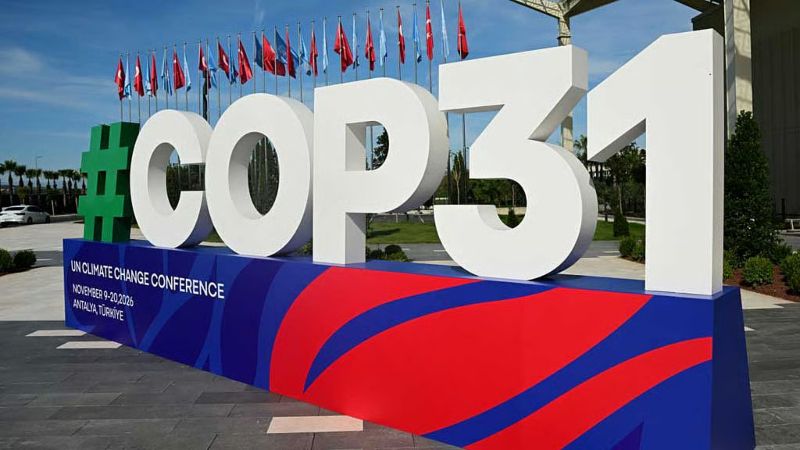
News Desk: Antalya, November 13, 2026 – On the sidelines of COP31 in Antalya, Türkiye, Ashfaq Zaman, Chief Strategist of the Dhaka Forum, held a strategic discussion with Russell Mmiso Dlamini, Prime Minister of the Kingdom of Eswatini, and Jane Mkhonta-Simelane, Eswatini’s Minister of Tourism and Environmental Affairs. The talks focused on actionable areas of collaboration between Bangladesh and Eswatini spanning healthcare, trade, climate resilience, and climate finance.
A major focus of the meeting was pharmaceutical trade and healthcare. Highlighting that Bangladesh’s pharmaceutical sector satisfies the vast majority of domestic needs while exporting affordable, quality-assured generic drugs to over 150 nations, Zaman explained how Bangladeshi drugmakers could bolster Eswatini’s healthcare system through a steady supply of essential medicines. He also noted that this partnership could eventually expand into regulatory alignment, technology transfer, and local packaging facilities to serve the broader Southern African region.
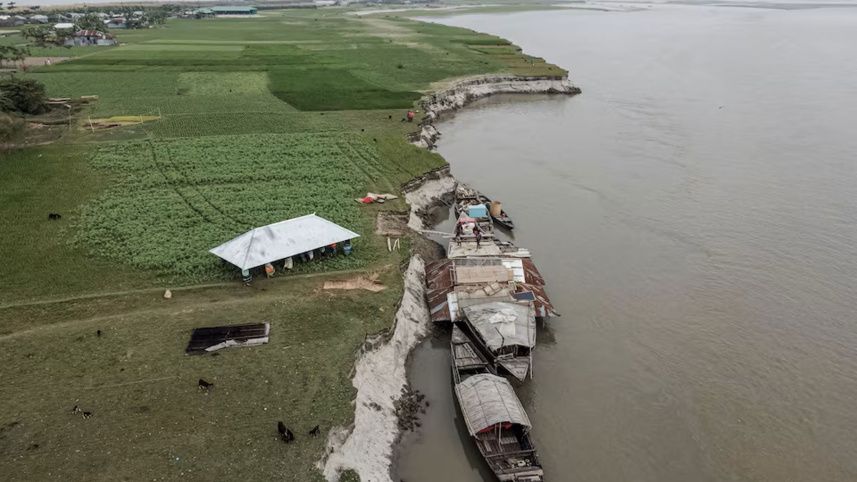
Both parties acknowledged that despite their geographical distance, Bangladesh and Eswatini confront parallel climate threats—with Bangladesh battling cyclones, floods, and rising salinity, and Eswatini enduring recurring droughts, water scarcity, and strains on smallholder farming. The leaders explored ways to coordinate their advocacy on climate finance, amplifying the collective demand of developing nations for grant-based rather than loan-based adaptation aid, streamlined access to multilateral climate funds, and direct financial delivery to vulnerable communities.
Bangladesh’s track record in "frugal innovation"—scalable, low-cost, community-led solutions—formed another core pillar of the dialogue. Zaman showcased grassroots early warning networks that have reduced cyclone fatalities in Bangladesh roughly a hundredfold since 1970, alongside off-grid solar home systems powering rural households and climate-resilient agricultural methods. Both sides examined how these models could be tailored to Eswatini’s needs, especially in drought readiness, rural electrification, and resilient farming.
Beyond immediate initiatives, the dialogue addressed a wider framework for South–South knowledge sharing. As fellow Commonwealth nations, both countries emphasized exchanging proven strategies, strengthening institutional skills, and tracking adaptation outcomes against the new global benchmarks established in Belém to attract further investment. Natural fibres were also discussed, with Bangladeshi jute pitched as an eco-friendly plastic substitute and a potential avenue for textile and trade collaboration linked to Eswatini’s established garment industry.
"The next chapter of global climate action will be written not just by nations with the deepest pockets, but by those with the most practical insights to share," Zaman stated. "Bangladesh and Eswatini can demonstrate real South–South cooperation through accessible medicines, proven low-cost adaptation, and a unified stance on climate finance. Today’s discussion sets that process in motion."
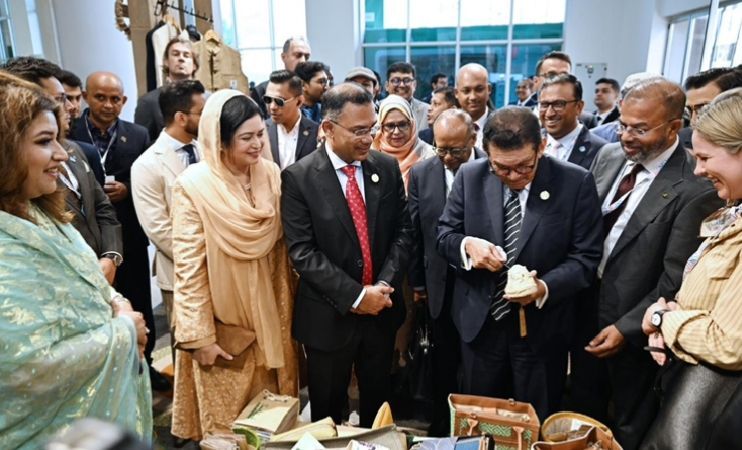
The two sides resolved to maintain ongoing talks to outline concrete next steps regarding pharmaceutical commerce and a knowledge partnership on cost-effective adaptation. Additionally, the Eswatini delegation received an invitation to tour the "Golden Fibre of Bangladesh" pavilion located in the COP31 Green Zone.
Law Minister: Sheikh Hasina Will Return to Bangladesh Thr...
1
News Desk: Law Minister Asaduzzaman has said that Sheikh Hasina will return t...
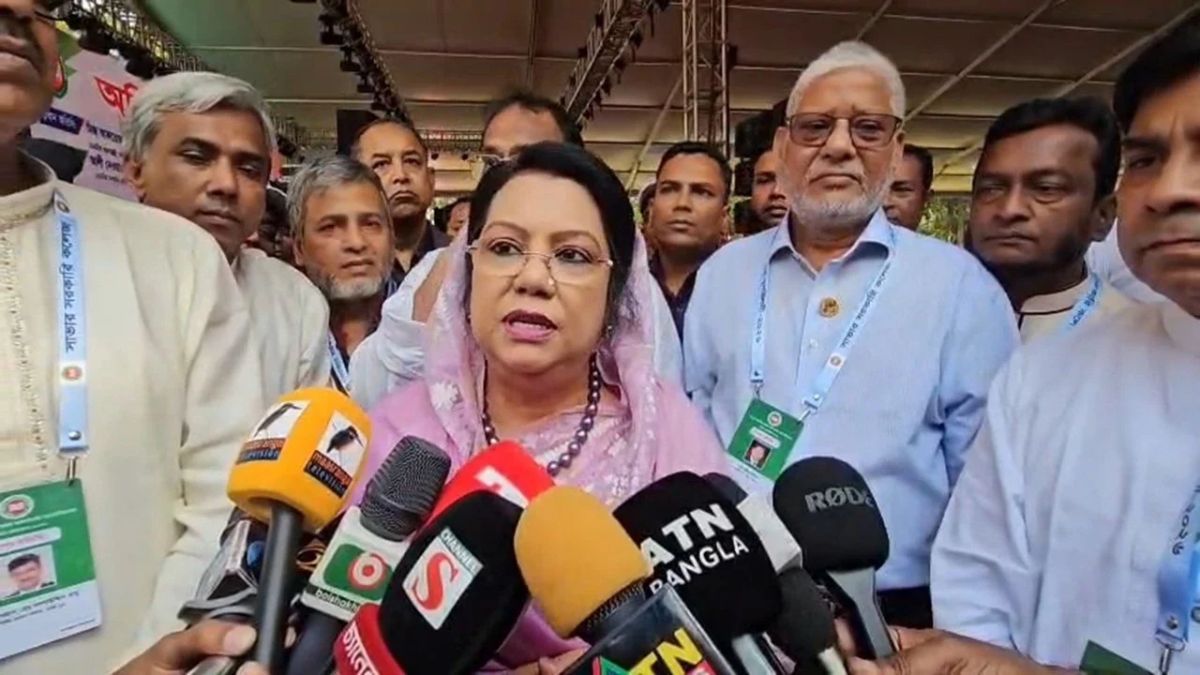
Food Minister: Tk 30 per Kg Rice Sales Programmed for Gar...
2
News Desk: Food Minister Afrozha Khanam Rita has said that the programme to s...
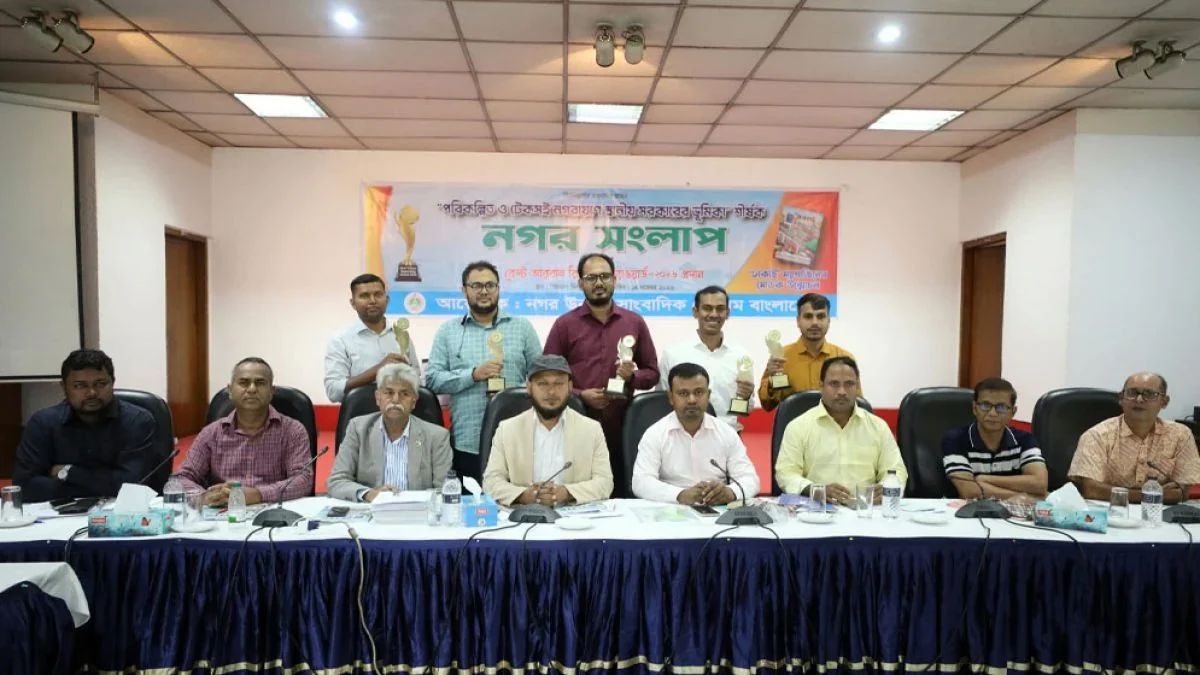
Local Government Left Out of Urban Planning
3
News Desk: Experts have expressed concern that local government institutions ...
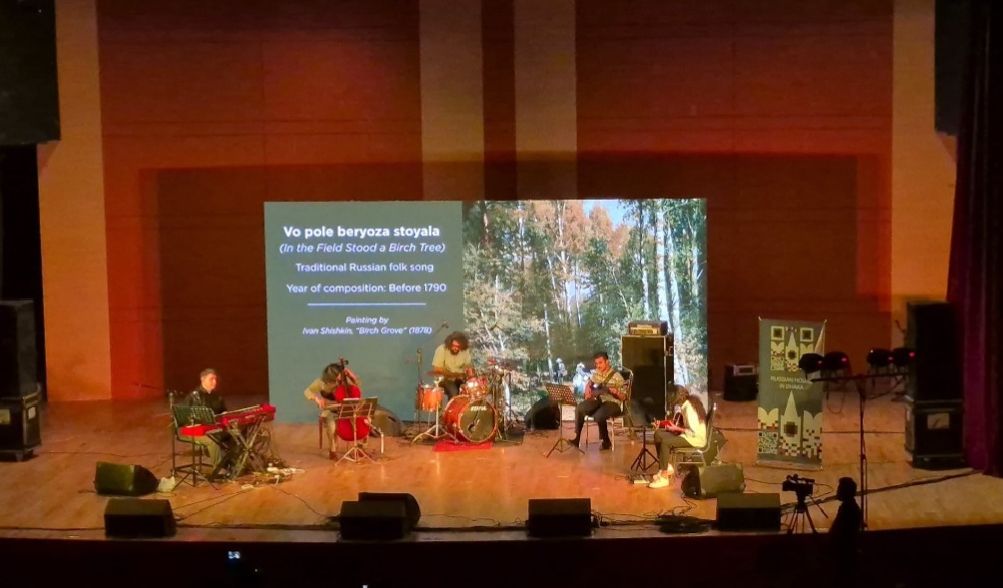
Echoes of Freedom, Bonds of Friendship: A Musical Celebra...
4
Staff Correspondent: The Russian House in Dhaka, in cooperat...
Five key priorities for Bangladesh going into COP31
5
News Desk: For decades, Bangladesh has been on the frontlines of the global climate crisis. Es...



মন্তব্য (0)