- লিড নিউজ
- জাতীয়
নগর পরিকল্পনায় উপেক্ষিত স্থানীয় সরকার
- Lead News
- জাতীয়
ছবিঃ সংগৃহীত
News Desk: Experts have expressed concern that local government institutions are being overlooked in the planning and implementation of urban development initiatives. They said unilateral decisions by central development authorities, bureaucratic complexities, and political partisanship are undermining the effectiveness of city corporations and municipalities. City corporations are increasingly being reduced to agencies responsible only for garbage collection and mosquito control. As a result, citizen participation in urban planning is declining, while infrastructural challenges and public suffering are increasing.
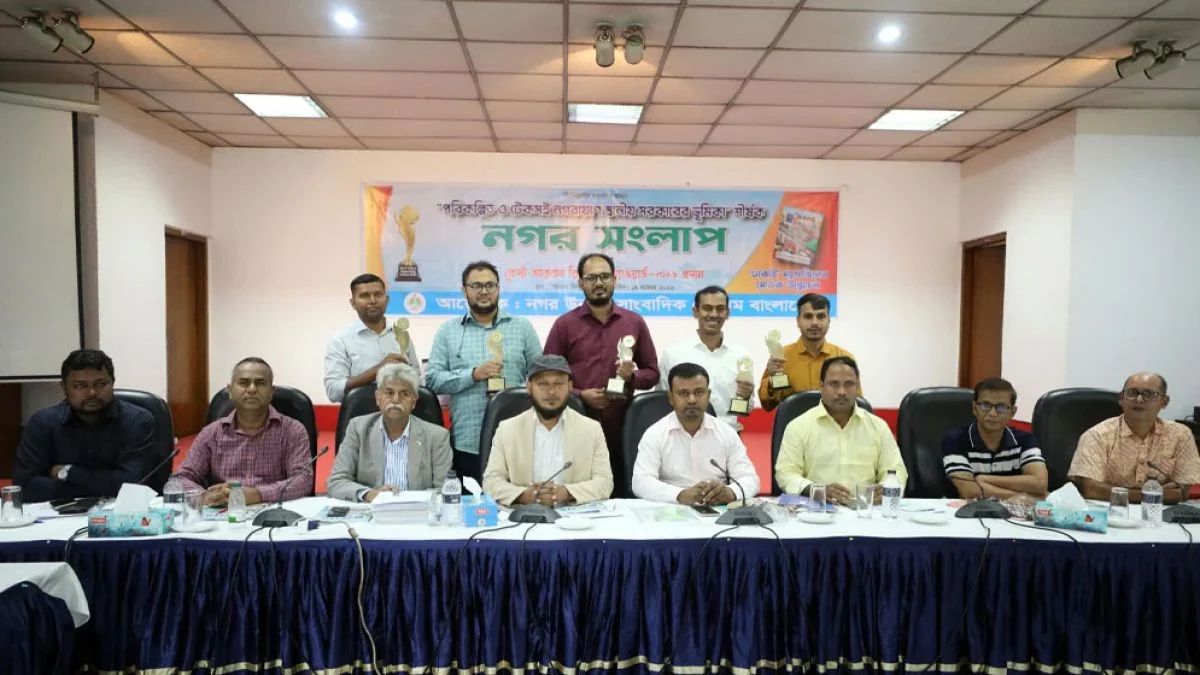
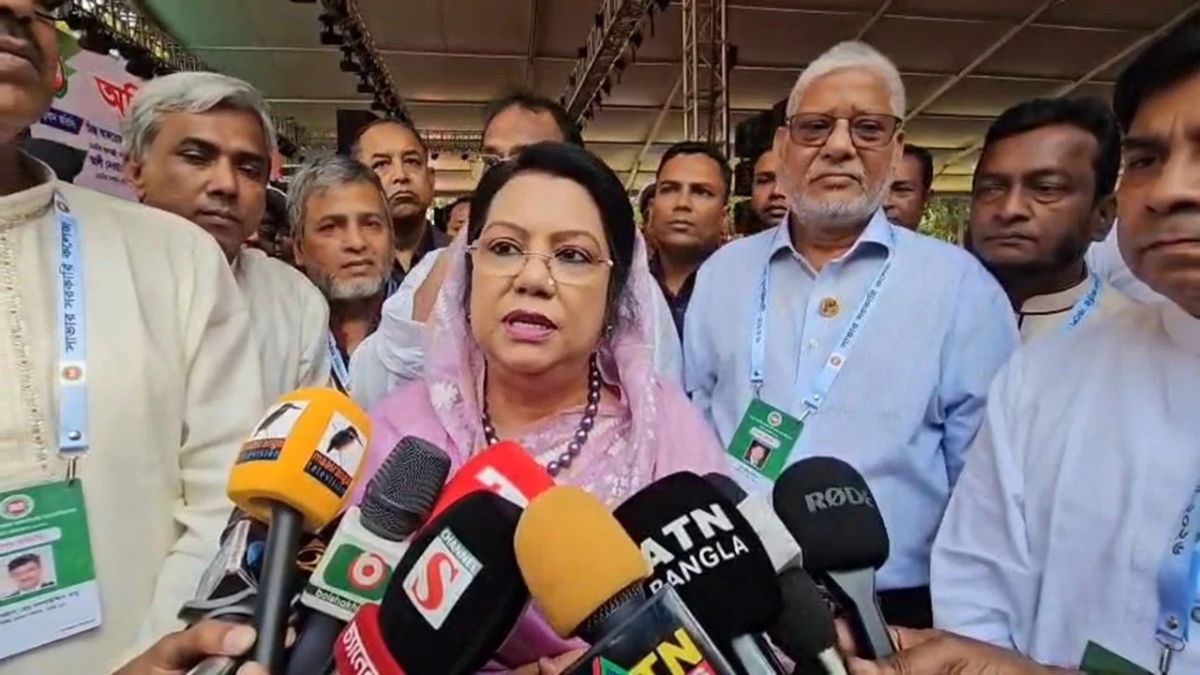
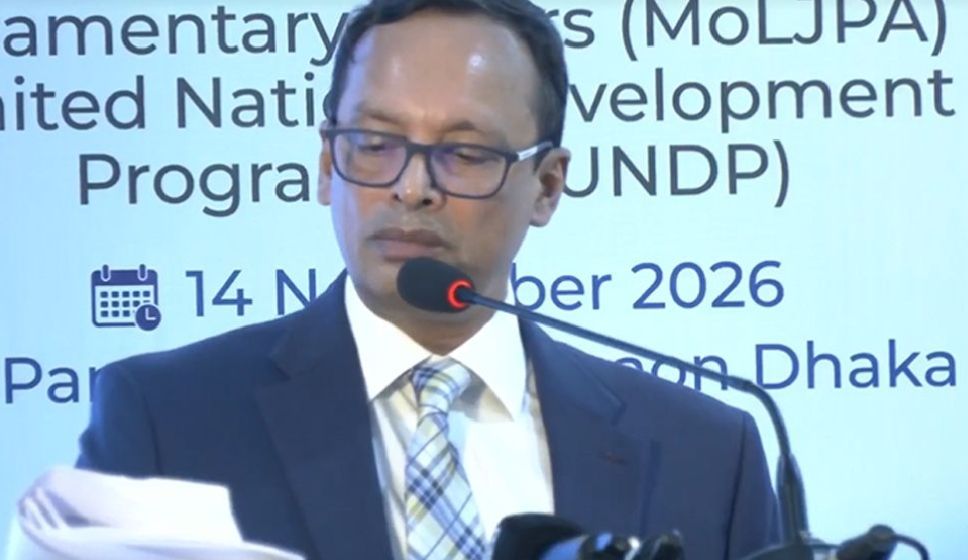
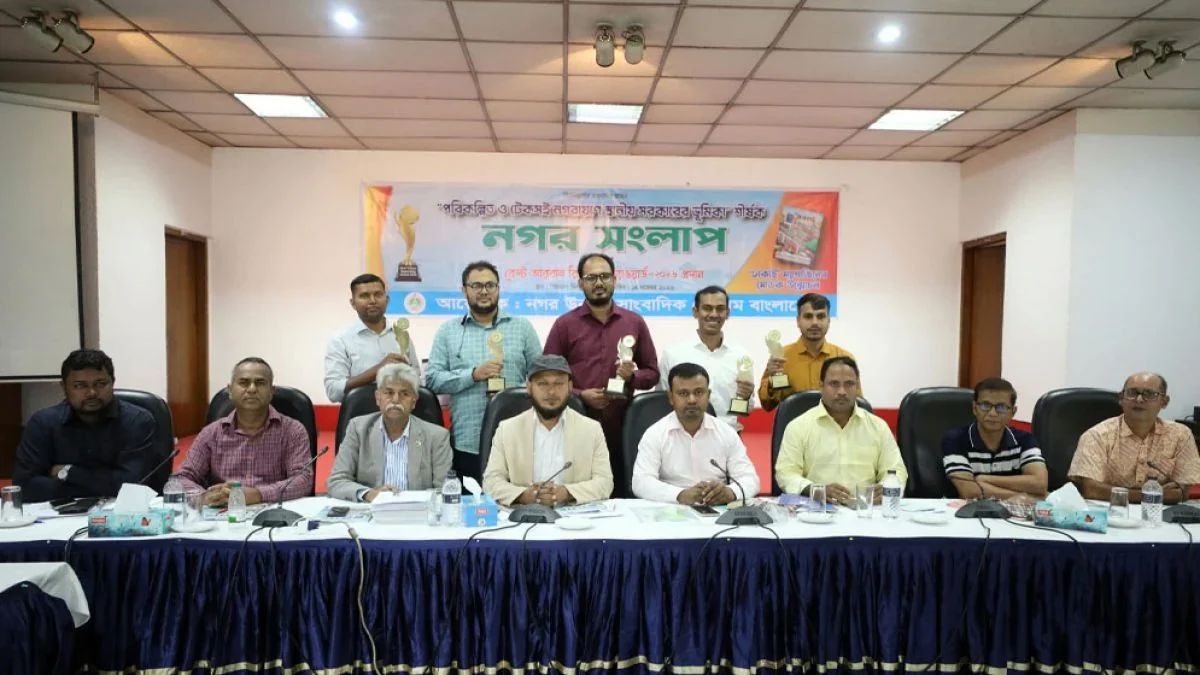
The speakers made these remarks at an urban dialogue titled “The Role of Local Government in Planned and Sustainable Urbanization”, organized by the Urban Development Journalists Forum Bangladesh (UDJFB) at the CIRDAP Auditorium in the capital on Saturday (November 14).
The programme was chaired by the organization's President, Matin Abdullah, and moderated by its General Secretary, Hasan Emon. Md. Nurullah, former Chief Engineer of Dhaka South City Corporation and an urban planner, presented the keynote paper.
Among others, the discussion featured Professor Dr Adil Muhammad Khan, Executive Director of the Institute for Planning and Development (IPD); Nazrul Islam, Chief Urban Planner of Dhaka South City Corporation; Amitosh Pal, Special Correspondent of Samakal; Helimul Alam, Senior Reporter of The Daily Star; Khalid Saifullah, former Vice-President of UDJFB; and Faisal Khan, Vice-President of the organisation.
Following the dialogue, five journalists received the Best Urban Reporting Award 2026 in different categories. The sixth edition of the magazine Dhakai was also unveiled.
In the online and print categories, Mostafizur Rahman of Dhaka Mail received the award for reporting on urban agency services and public suffering. Md. Zahidul Islam of Kaler Kantho and Latiful Islam of Asia Post were recognised for reporting on irregularities and corruption in urban agencies. Rashedul Hasan of Daily Sun received the award in the urban planning category. In the television category, Gias Uddin Sajib of Channel 24 received the award.
Professor Dr Adil Muhammad Khan, Executive Director of IPD, said that despite more than 55 years having passed since independence, the country has yet to achieve the desired progress in urban management. According to the 2026 Oxford Economics Global Cities Ranking, Dhaka ranked 575th among 1,000 cities worldwide. Meanwhile, Mymensingh scored only 18.7 out of 100.
He said that residential areas previously permitted to construct four- or five-storey buildings are now being allowed to build 14-storey structures through decisions by development authorities. This is creating population pressure several times higher than the areas were originally designed to accommodate. However, the capacity of water supply, electricity, sewerage, and road infrastructure is not being upgraded in coordination with city corporations.
Adil Muhammad Khan further said that political partisanship and bureaucratic complications have weakened public confidence in local government institutions. In the absence of elected ward councillors, residents are unable to obtain effective solutions to problems such as the encroachment of parks and playgrounds and unauthorised road excavation.
He proposed forming ward-level coordination committees comprising 10 to 12 non-partisan citizens from different professions and social backgrounds in each ward. He also called for empowering city corporations to coordinate the activities of other service-providing agencies instead of restricting their responsibilities to garbage collection and mosquito control.
Nazrul Islam, Chief Urban Planner of Dhaka South City Corporation, highlighted the lack of coordination in implementing master plans. He said that preparing a master plan alone would not be sufficient; ward-based action plans must also be developed to ensure effective implementation.
He stressed the need to preserve information about roads, drainage systems, footpaths, and other urban infrastructure in maps and databases. Development initiatives should be implemented through local government institutions. Rather than having multiple overlapping plans, he called for a single, realistic master plan that prioritises public interests.
Md. Nurullah, former Chief Engineer of Dhaka South City Corporation and an urban planner, said that only 5 per cent of the country's population lived in urban areas in 1960, whereas the proportion has now reached approximately 42.6 per cent.
However, he pointed out that the Local Government Division has only 90 officials to oversee 5,479 local government institutions across the country. More than half of the approved positions in municipalities also remain vacant, hindering planned urbanisation.
He proposed establishing a National Physical or Spatial Planning Council chaired by the Prime Minister, enacting a modern Urban and Rural Planning Act, and introducing dedicated planning departments in local government institutions staffed by professional planners and GIS specialists.
ক্লিন-গ্রিন ঢাকা কার্যক্রমে ৩৯ হাজার সিনিয়র সিটিজেনকে যু...
১
নিউজ ডেস্কঃ স্থানীয় সরকার প্রতিমন্ত্রী মীর শাহে আলম বল...

জাতিসংঘে বাংলাদেশ মিশনের নেতৃত্বে ব্রাহ্মণবাড়িয়ার সঞ্চিতা হক
২
নিউজ ডেস্কঃ জাতিসংঘে বাংলাদেশের স্থায়ী মিশনের ভারপ্রাপ...
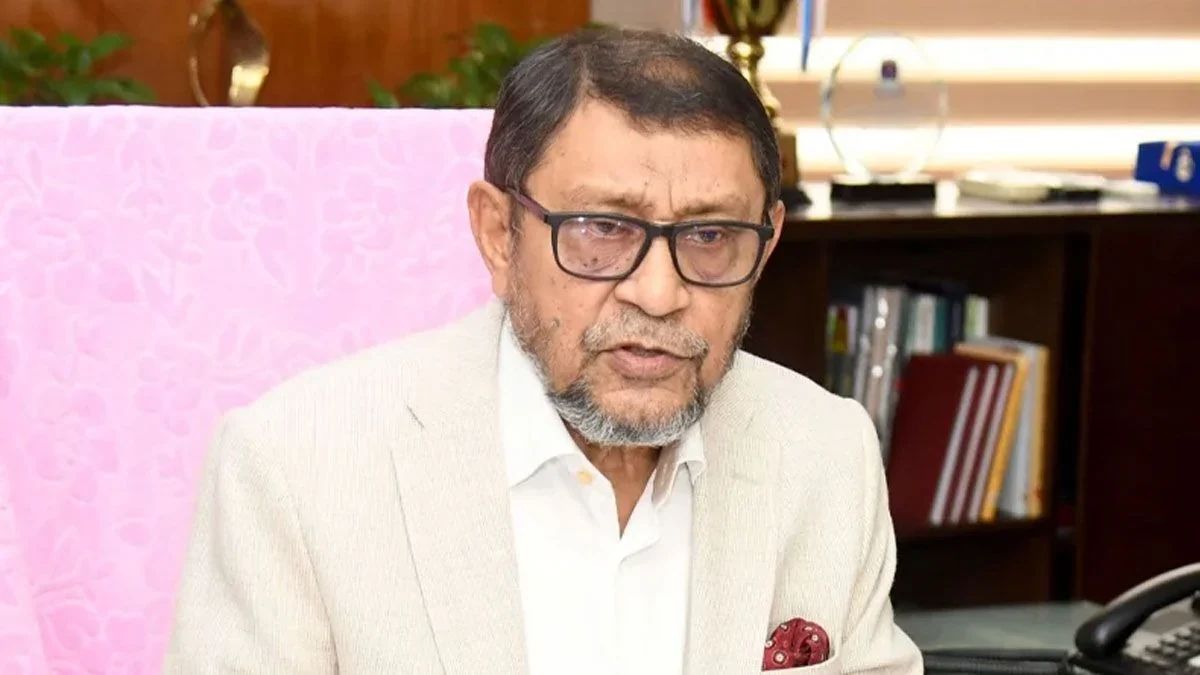
হাসপাতালে ভর্তি স্বাস্থ্যমন্ত্রী
৩
নিউজ ডেস্কঃ হঠাৎ বুকে ব্যথা অনুভব করায় রাজধানীর কন্টিন...
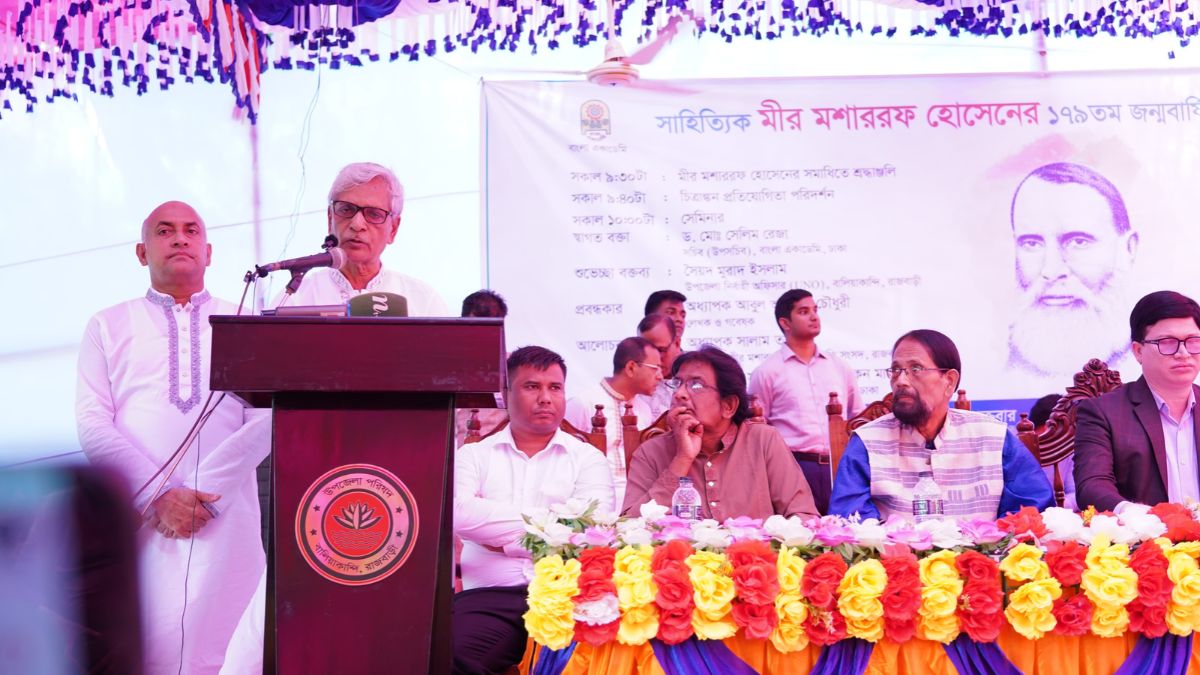
মীর মশাররফ হোসেনের সাহিত্যকর্ম ও মানবিক আদর্শ নতুন প্রজন্...
৪
নিজস্ব প্রতিবেদক: সংস্কৃতি বিষয়ক মন্ত্রী নিতাই রায় চৌধুরী বলেছেন, কাল...
শেখ হাসিনা আইনি সুযোগেই দেশে ফিরবেন: আইনমন্ত্রী
৫
News Desk: Law Minister Asaduzzaman has said that Sheikh Hasina will return t...



মন্তব্য (০)