
- National
Top COP31 priorities for Bangladesh
- National
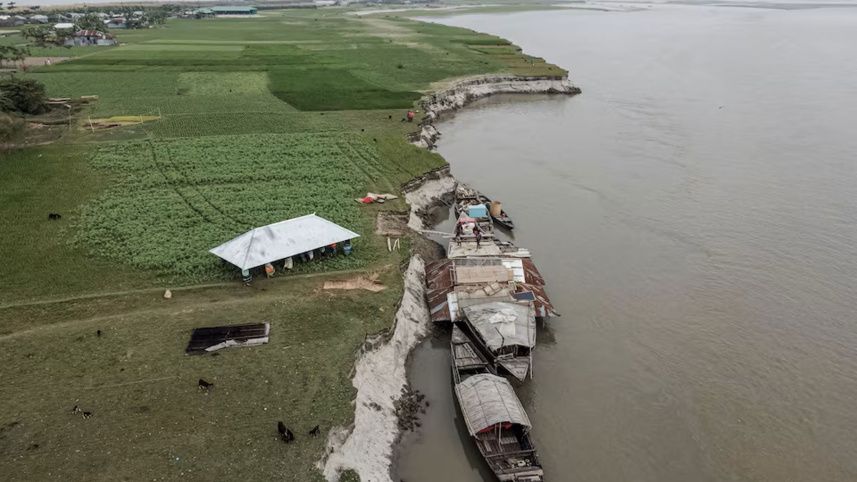
Photo Collected Photo: Collected
News Desk: Here is a completely rewritten, unique, and professionally paraphrased version of the text, preserving all core ideas, arguments, and policy priorities while ensuring full originality:
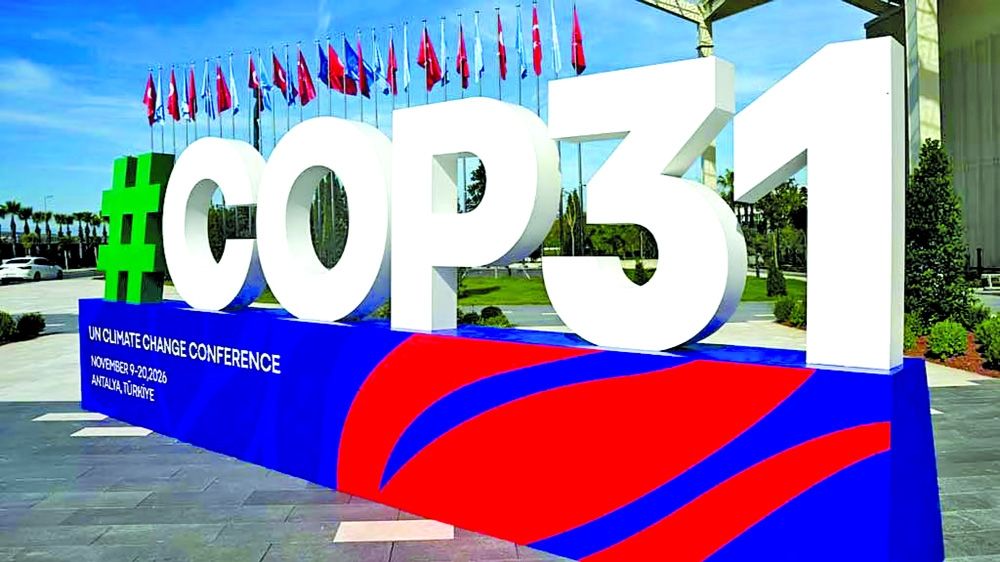
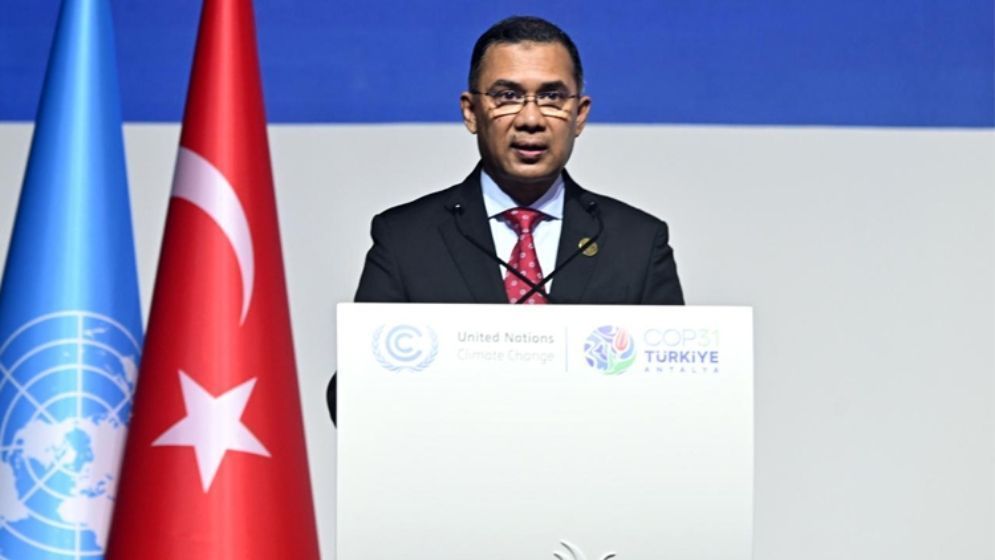
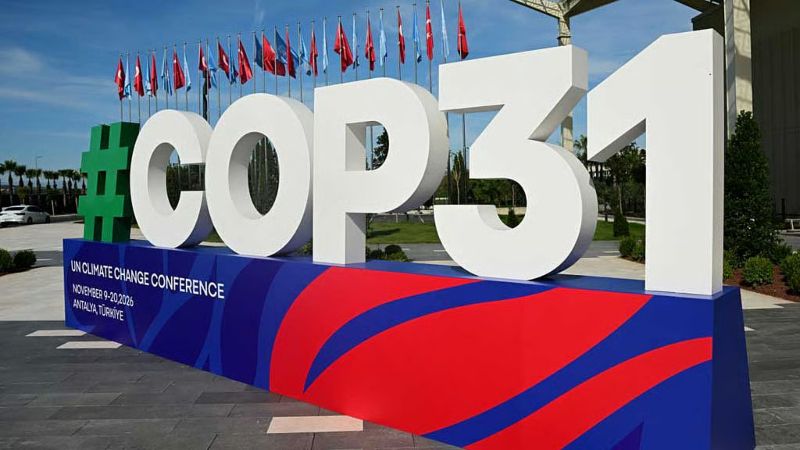
Hosted in Antalya, Türkiye, starting November 9, the 31st United Nations Climate Change Conference (COP31) emerges as a vital crucible for global solidarity and climate equity against a turbulent backdrop of geopolitical friction, active military conflicts, a severe global energy crunch, and shifting U.S. climate commitments. It remains a striking paradox that major greenhouse gas emitters and defense-spending superpowers allocate exponentially more resources to military arsenals than to international climate support—with military expenditures occasionally eclipsing climate aid by as much as 5,000 percent. Consequently, COP31 must serve as a resolute forum to demand climate reparations, fair financing, and strict accountability from historically culpable nations, firmly rooted in the "Polluter Pays" principle.
Experiencing climate shocks firsthand, COP31 presents Bangladesh with a crucial opening to bargain not merely for financial aid, but for comprehensive climate justice, economic fortification, green technology transfer, and the safeguarding of vulnerable populations. The nation's primary objective is leveraging the summit to secure concrete commitments from wealthy states and global institutions that translate into tangible resources, opportunities, and security for its people. Building upon Prime Minister Tarique Rahman’s September address to the UN General Assembly—where he passionately championed enhanced international action on climate justice, financing, and adaptation—provides an ideal launchpad for shaping the COP31 negotiation platform.
First and foremost, Dhaka must center its diplomatic strategy on robust climate financing. As a developing nation highly exposed to ecological hazards, Bangladesh requires massive investments to fortify its climate resilience, protect at-risk groups, and secure sustainable growth. However, leaning heavily on climate-related loans risks ballooning the national debt burden—particularly when scarce public funds are already urgently needed for education, healthcare, infrastructure expansion, and employment generation. Therefore, the country should advocate for highly concessional packages alongside predictable, easily accessible, grant-based climate funding from industrialized nations.
Furthermore, Bangladesh ought to push for expanded investments in community-led adaptation initiatives, streamlined fund application protocols, and absolute transparency regarding the reporting of financial pledges and disbursements. A foundational premise under the global climate framework must be that international resources accurately mirror the tenets of equity alongside common but differentiated responsibilities and respective capabilities. Ultimately, the benchmark for COP31's success should not rely on headline-grabbing funding pledges alone, but on actual capital delivery, how swiftly it reaches frontline communities, and its measurable impact in subduing climate vulnerability.
Loss and damage represents another indispensable pillar of Bangladesh's agenda. Despite rigorous disaster management and adaptation efforts, the nation continues to endure devastating blows from floods, cyclones, riverbank erosion, saltwater intrusion, and rising sea levels. Beyond wreaking havoc on homes, croplands, fisheries, physical infrastructure, and livelihoods, these disasters inflict profound non-economic tolls, including the erosion of cultural heritage and the fracturing of community bonds. Bangladesh must campaign for more responsive financial frameworks tailored to vulnerable states, simplified bureaucratic access rules, and robust, steady contributions to the Fund for Responding to Loss and Damage (FRLD). Special emphasis must also be placed on securing remedies for both monetary and non-monetary losses, facilitating holistic livelihood recovery and community rehabilitation.
Over successive years, climate shifts have driven a surging displacement crisis across Bangladesh, particularly in riverine villages and coastal sectors battered by heavy precipitation, erosion, and salinity. When families lose their ancestral homes, arable land, and income streams, the resulting internal migration places immense strain on urban housing, labor markets, educational systems, healthcare, and city infrastructure. Despite these mounting pressures, international negotiations have yet to formulate a universal legal status granting automatic refugee protections to climate-displaced individuals. To tackle this crisis constructively, Bangladesh should spearhead effective international cooperation that addresses displacement while respecting established legal frameworks and human rights obligations.
During COP31, the country should also lobby for international investments directed toward renewable energy integration, power grid modernization, energy storage systems, and cleaner industrial manufacturing. Securing technical and financial safety nets for workers and communities navigating industrial and energy transitions is equally vital. Green job creation must anchor this transition, backed by targeted investments in youth skill-building across renewable sectors, energy efficiency, and climate-resilient industries. Additionally, climate policies must carefully balance energy affordability and reliability while deliberately easing dependence on imported fossil fuels.
The true efficacy of global climate finance is determined not only by total volumes available, but by who holds access and who reaps the greatest benefits. In Bangladesh, marginalized groups—including women, youth, smallholder farmers, artisanal fishers, and informal sector laborers—frequently encounter steep barriers when attempting to access resources, participate in decision-making, or recover from climate shocks. For instance, women inhabiting climate-vulnerable coastal zones often face heightened struggles securing clean drinking water, maintaining livelihoods, and obtaining vital emergency services. Consequently, Bangladesh must champion gender-responsive financial flows, amplified backing for grassroots adaptation, and the active inclusion of youth and affected populations in domestic climate planning at COP31.
For Bangladesh, COP31 must transcend a standard diplomatic exercise aimed at extracting paper commitments. It must function as a pragmatic vehicle to unlock accessible financing, enforce protective climate action, and forge international partnerships yielding measurable outcomes. Grounding its negotiating posture in moral and legal justifications for climate justice, the nation should deploy evidence-driven frameworks, explicit funding benchmarks, and actionable execution strategies. By closely collaborating with negotiating blocs such as the Climate Vulnerable Forum (CVF) and the Least Developed Countries (LDC) group, Dhaka can amplify collective momentum behind shared priorities.
Ultimately, the true measure of Bangladesh's climate diplomacy will lie in how effectively summit outcomes shield coastal settlements, preserve traditional livelihoods, expand clean water access, sharpen disaster readiness, and secure a prosperous horizon for future generations.
Monira Sharmin is joint convener at National Citizen Party (NCP). She can be reached at [email protected].
Law Minister: Sheikh Hasina Will Return to Bangladesh Thr...
1
News Desk: Law Minister Asaduzzaman has said that Sheikh Hasina will return t...
Food Minister: Tk 30 per Kg Rice Sales Programmed for Gar...
2
News Desk: Food Minister Afrozha Khanam Rita has said that the programme to s...
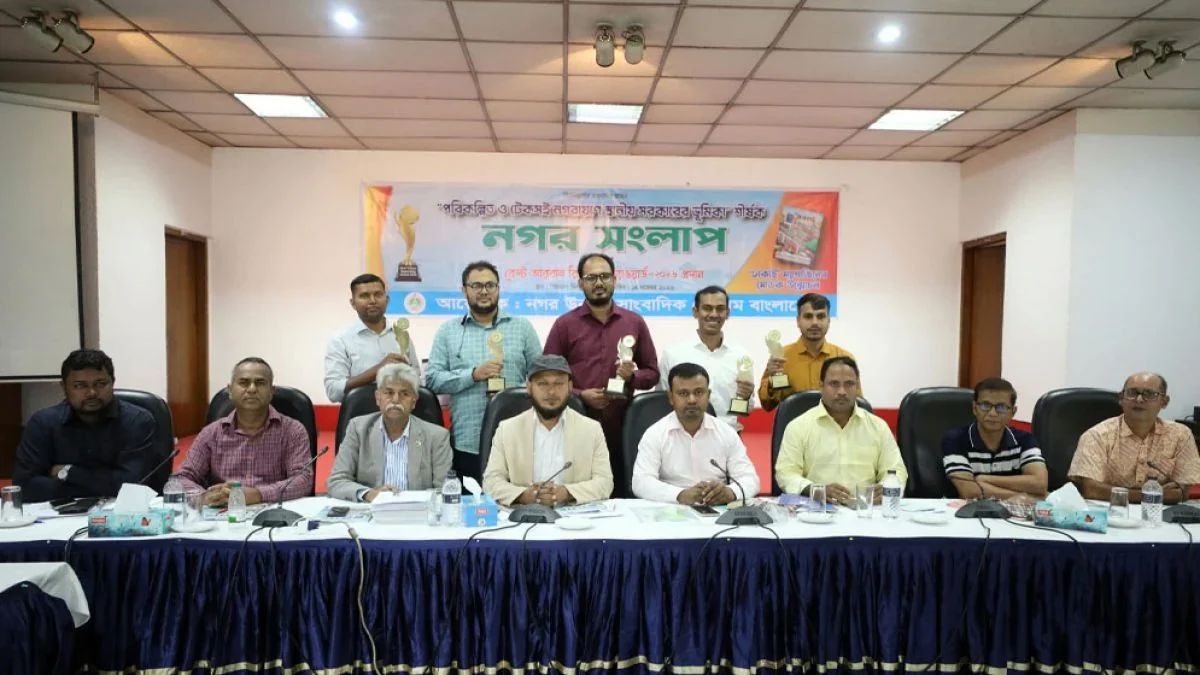
Local Government Left Out of Urban Planning
3
News Desk: Experts have expressed concern that local government institutions ...
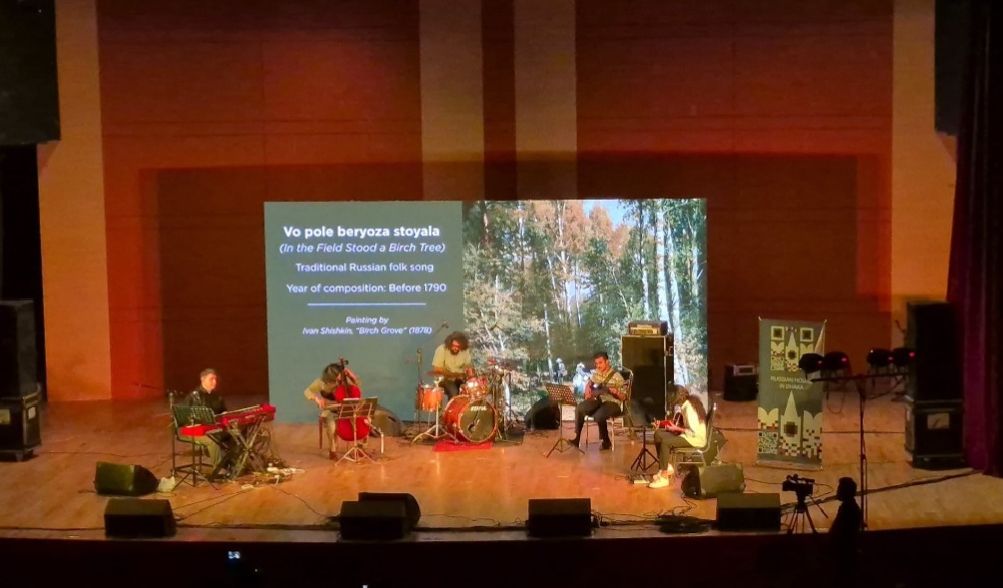
Echoes of Freedom, Bonds of Friendship: A Musical Celebra...
4
Staff Correspondent: The Russian House in Dhaka, in cooperat...
Dhaka Forum Holds Strategic Meeting with the Prime Minis...
5
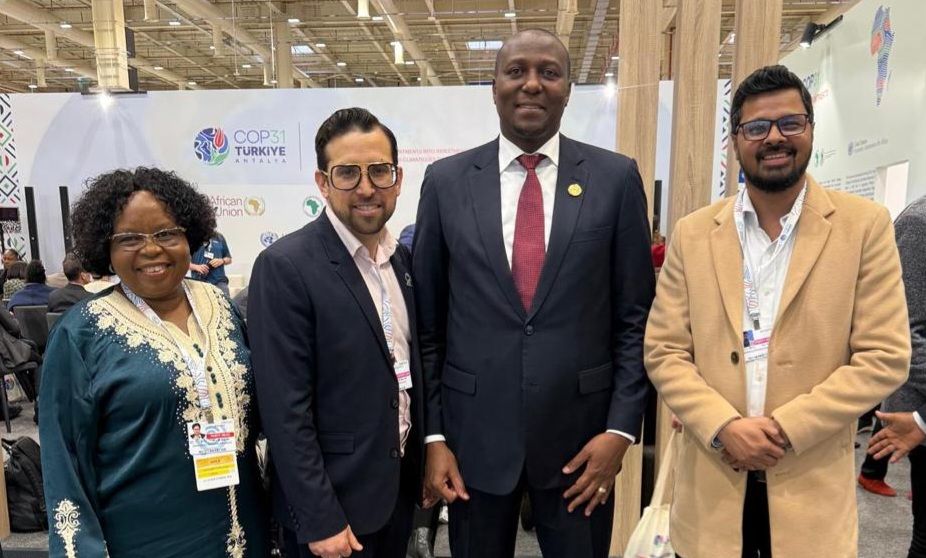
News Desk: Antalya, November 13, 2026 – On the sideli...



মন্তব্য (0)