- National
Five key priorities for Bangladesh going into COP31
- National
Photo: Collected
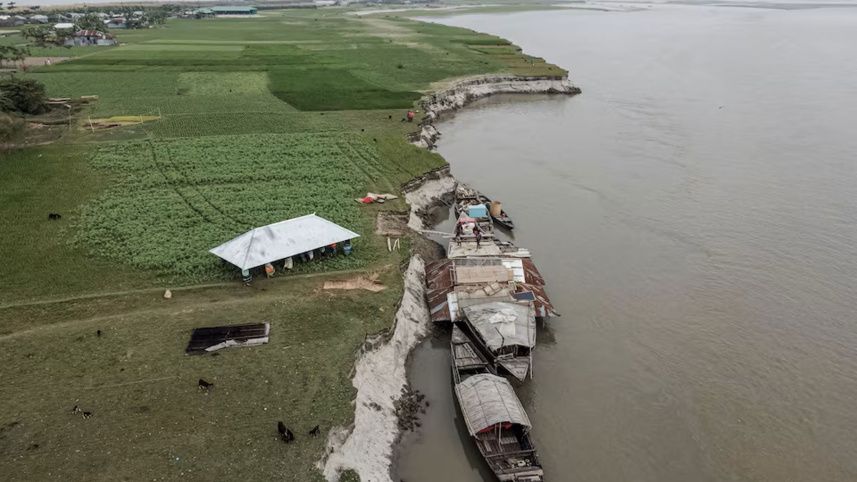
News Desk: For decades, Bangladesh has been on the frontlines of the global climate crisis. Escalating sea levels, cyclones, flooding, salinity intrusion, and extreme heat have placed the nation among the most climate-vulnerable countries worldwide.
At the same time, Bangladesh has emerged as one of the globe’s foremost models for climate adaptation and resilience-building.
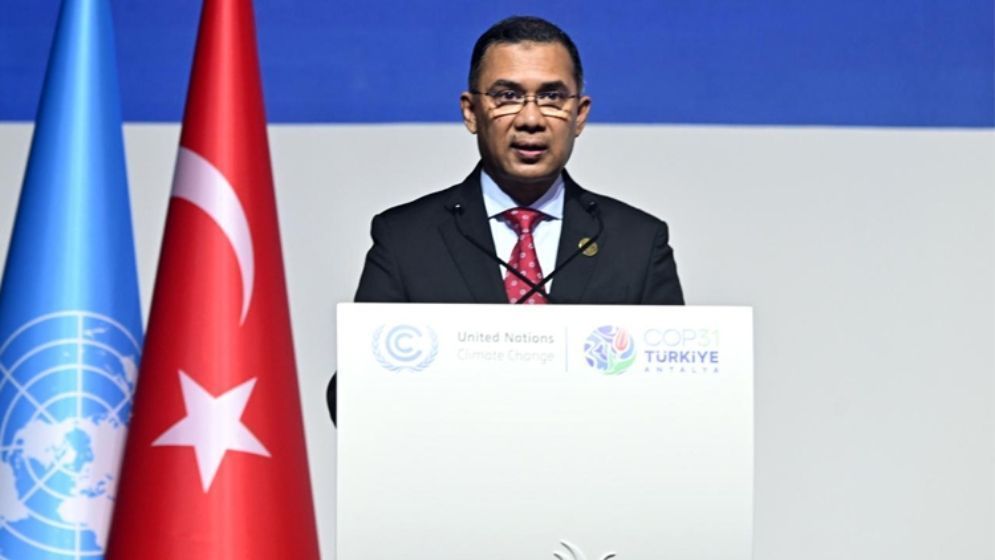
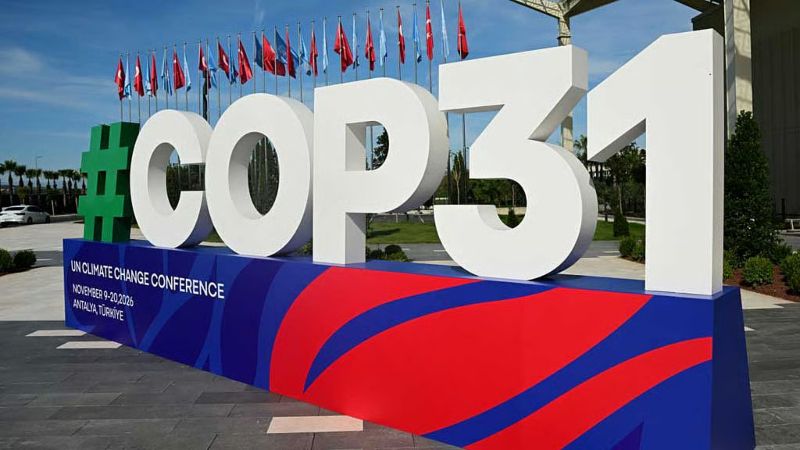
Ahead of COP31, discussions surrounding Bangladesh’s climate agenda unfolded during the 64th session of the UNFCCC Subsidiary Bodies (SB64) in Bonn from June 8 to 18. The country's delegation was headed by the special assistant to the prime minister of the newly formed government. As in past years, I followed the negotiations at SB64 and held discussions with the special assistant regarding Dhaka’s upcoming climate strategies.
Our conversation underscored a pivotal shift: moving past a sole narrative of vulnerability to establish Bangladesh as a global frontrunner in climate solutions.
The nation’s track record—especially in grassroots-led adaptation and resilience—holds crucial insights for the international community. Simultaneously, Bangladesh is well-positioned to amplify its global climate leadership by pairing adaptation expertise with innovation, partnerships, and strategic diplomacy.
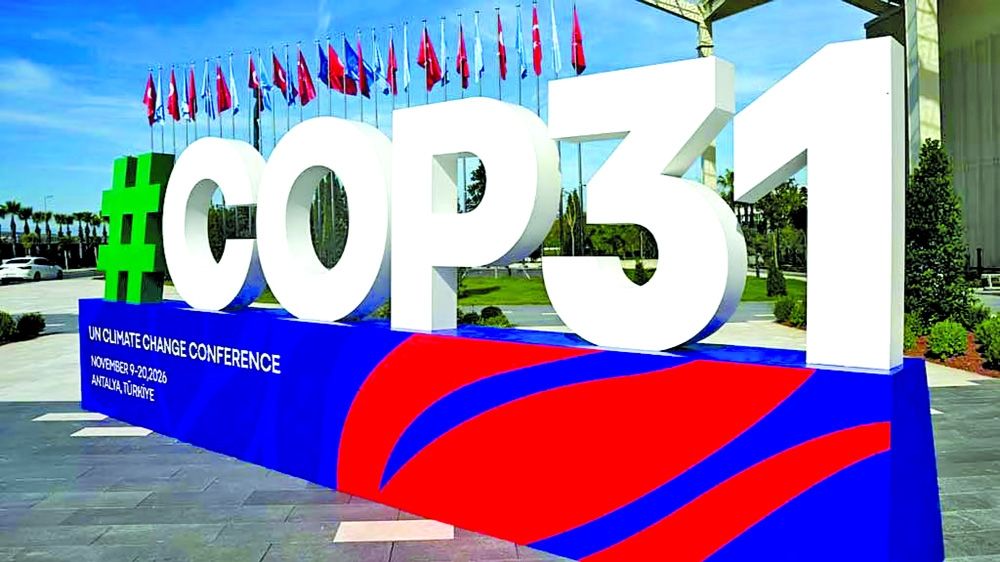
Drawing from the deliberations at SB64, five core priorities stand out as Bangladesh gears up for COP31.
Showcase the strength of community-led adaptation Bangladesh’s most impressive climate triumphs have unfolded not in diplomatic summits, but within its local communities.
Over recent decades, targeted investments in cyclone preparedness, community-driven disaster management, early warning networks, climate-resilient farming, and local adaptation programs have sharply reduced disaster fatalities and bolstered resilience across at-risk areas. While these milestones are widely applauded internationally as practical adaptation successes, Dhaka has yet to fully convert this success into global diplomatic leverage.
Better documentation, systematic monitoring, and clearer communication of these outcomes are essential. Hard data proving how grassroots initiatives lower risks, safeguard livelihoods, and build resilience can cement Bangladesh’s status as a global knowledge hub—offering practical blueprints at a time when many nations struggle to put adaptation goals into action.
Drive mitigation with adaptation co-benefits While adaptation rightly remains Bangladesh’s top priority, adaptation and mitigation need not be treated as conflicting goals.
Today’s most impactful climate investments deliver both carbon reductions and resilience gains. For instance, renewable energy bolsters power security during extreme weather; nature-based solutions like mangrove restoration sequester carbon while buffering against storms and sustaining livelihoods; and climate-smart farming boosts food security alongside cutting emissions.
By championing mitigation projects that yield adaptation co-benefits, Bangladesh can elevate its global standing, unlock new funding streams, and illustrate how developing economies can pursue integrated climate action where both agendas mutually reinforce each other.
Broaden participation and co-development Climate initiatives thrive when they are built collaboratively. Bangladesh boasts a dynamic network of NGOs, grassroots groups, researchers, youth activists, social enterprises, and local councils tackling climate challenges, yet these stakeholders are often left on the margins of national planning and execution.
Upcoming climate policies must prioritize collaborative governance, inclusive planning, and co-creation. Local residents hold vital insights into ground-level risks and workable solutions, and integrating them enhances both policy legitimacy and impact. Global best practices consistently show that green transitions succeed when governments act as facilitators connecting public, private, academic, and civil society players rather than functioning solely as regulators.
Boost technical negotiation capacity As international climate talks grow more intricate, meaningful influence demands multidisciplinary expertise.
Bangladesh already commands respect within the UNFCCC for its voice on adaptation and climate justice. However, upcoming negotiations will delve heavily into technical complexities surrounding climate finance, carbon trading, technology transfer, loss and damage frameworks, and implementation mechanisms.
To maximize its leverage at COP31 and future summits, Dhaka should broaden the skill sets within its negotiating teams—supplementing bureaucrats with economists, scientists, legal scholars, financial analysts, communications strategists, and seasoned diplomats. Effective climate diplomacy hinges equally on technical mastery and strategic bargaining.
Get ready for emerging carbon markets The rollout of Article 6 under the Paris Agreement is unlocking fresh avenues for international carbon trading and climate financing.
Numerous developing nations are already gearing up to tap into these evolving markets via high-integrity mitigation initiatives, nature-based projects, and capacity building. Bangladesh must proactively position itself for this shift.
Doing so demands strengthening institutional readiness, transparent governance, project design skills, monitoring systems, and multi-stakeholder collaboration involving universities, researchers, businesses, and local communities. Managed strategically, carbon markets can serve as a vital supplementary funding stream while advancing sustainable development.
Turning a new page Bangladesh has already proven that high climate vulnerability is no barrier to global climate leadership, earning worldwide acclaim for its progress in adaptation and disaster risk reduction.
The task ahead is to build upon this legacy. By highlighting community-driven adaptation wins, merging mitigation with resilience, fostering inclusive governance, upgrading negotiation expertise, and tapping into emerging carbon finance, Bangladesh can actively shape the global climate discourse rather than merely reacting to it.
Heading into COP31, the nation stands poised to present itself not merely as a victim of climate change, but as an architect of its solutions.
Dr Avit Bhowmik is a Climate Scientist and Associate Professor of Risk and Environmental Studies, Karlstad University, Sweden.

Law Minister: Sheikh Hasina Will Return to Bangladesh Thr...
1
News Desk: Law Minister Asaduzzaman has said that Sheikh Hasina will return t...
Food Minister: Tk 30 per Kg Rice Sales Programmed for Gar...
2
News Desk: Food Minister Afrozha Khanam Rita has said that the programme to s...
Local Government Left Out of Urban Planning
3
News Desk: Experts have expressed concern that local government institutions ...

Echoes of Freedom, Bonds of Friendship: A Musical Celebra...
4
Staff Correspondent: The Russian House in Dhaka, in cooperat...
Dhaka Forum Holds Strategic Meeting with the Prime Minis...
5
News Desk: Antalya, November 13, 2026 – On the sideli...



মন্তব্য (0)