

- Lead News
- Diplomatic News
Celebrating 69 Years of Merdeka: A Strategic Assessment of Growing Malaysia–Bangladesh Ties
- লিড নিউজ
- Diplomatic News
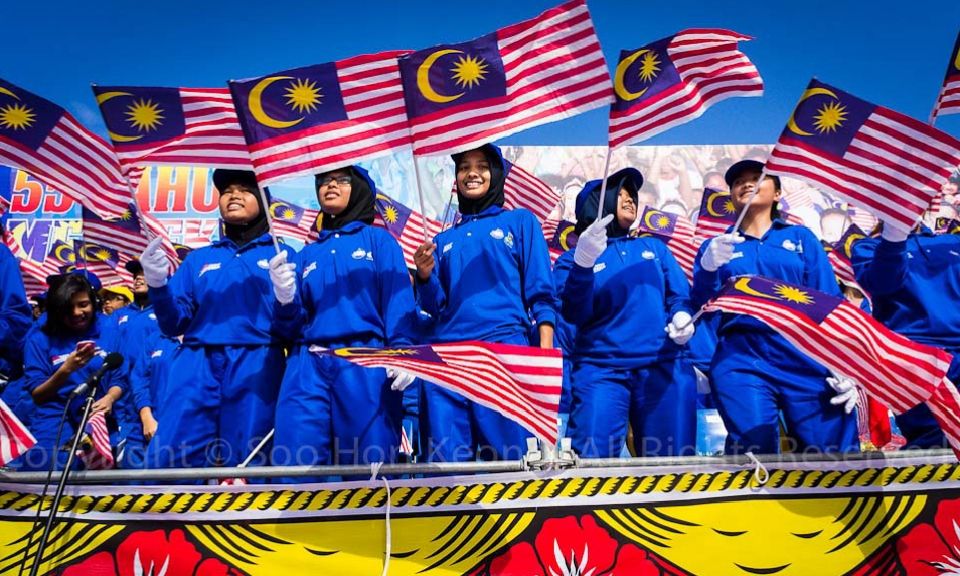
Photo: CNI
Diplomatic Correspondent: Malaysia observes the sixty-ninth anniversary of Merdeka — the moment in 1957 when the Federation of Malaya emerged from British colonial administration to chart its own course as an independent nation. Nearly seven decades on, Merdeka Day remains the emotional centrepiece of the Malaysian calendar: a day of flag-raising ceremonies at Dataran Merdeka, community open houses, and a collective reaffirmation of the multi-ethnic, multi-faith compact — Malay, Chinese, Indian and the indigenous communities of Sabah and Sarawak — upon which modern Malaysia was built.
This year's anniversary lands at a particularly active juncture in Malaysia–Bangladesh relations. A change of government in Dhaka, a reinvigorated push on trade liberalisation, and a broadening of cooperation into new sectors have combined to give the Merdeka commemoration in Bangladesh added significance — and have placed the resident High Commissioner, His Excellency Mohd Shuhada Othman, at the centre of that momentum.
The Foundations: Five Decades of Malaysia–Bangladesh Ties
Malaysia was among the early states to recognise Bangladesh following its independence in 1971, and the two countries formally established diplomatic relations in 1973. Since then, ties have been anchored in three enduring pillars: shared membership of the Organisation of Islamic Cooperation and the Non-Aligned Movement; a steady flow of Bangladeshi labour and student migration to Malaysia; and a trade relationship built substantially around Malaysian energy, agricultural and industrial exports on one side and Bangladeshi ready-made garments on the other.
For much of this history the relationship has been managed rather than actively expanded — solid, unremarkable, and largely transactional. What has changed over the past two to three years is a more deliberate effort, on both sides, to diversify the relationship beyond labour migration and low-value trade into higher-value cooperation: industrial partnerships, tourism, halal certification and trade, energy security, and even frontier sectors such as semiconductors. It is against this backdrop that the current High Commissioner's tenure in Dhaka should be read.
His Excellency Mohd Shuhada Othman: Malaysia's Envoy in Dhaka
Since presenting his credentials and beginning his posting in Dhaka, His Excellency Mohd Shuhada Othman has approached the role with a visible emphasis on economic diplomacy — treating the High Commission less as a purely ceremonial post and more as a forward-deployed unit for expanding Malaysian commercial and strategic interests in Bangladesh, while reciprocally opening doors for Bangladeshi businesses, students and travellers in Malaysia.
AT A GLANCE — THE HIGH COMMISSIONER'S RECORD IN DHAKA
• Held courtesy calls with Bangladesh's State Minister for Foreign Affairs and senior officials to widen the bilateral agenda
• Championed automobile-sector partnership and industrial/technology-transfer cooperation
• Advanced 'Visit Malaysia 2026' campaign with a target of 300,000 Bangladeshi tourists
• Facilitated multiple-entry e-Visa arrangements and streamlined travel-document guidance for Bangladeshi nationals
• Engaged sectoral cooperation in halal industry, agriculture, energy and semiconductors
• Supported the case for a Bangladesh visit by Prime Minister Tarique Rahman to elevate ties further.
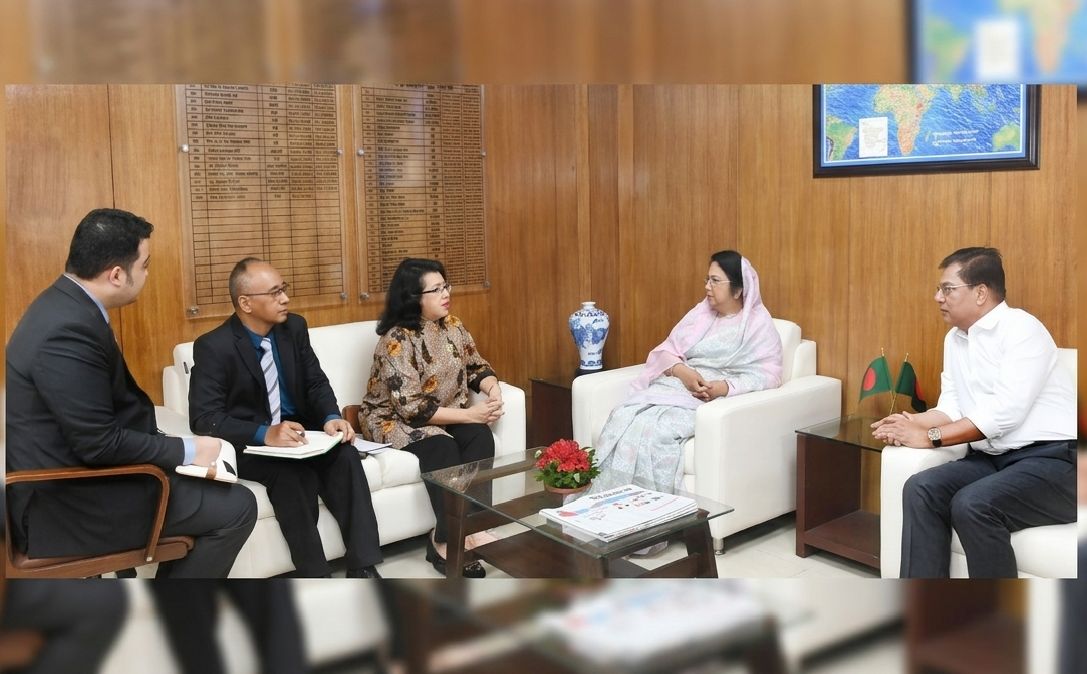
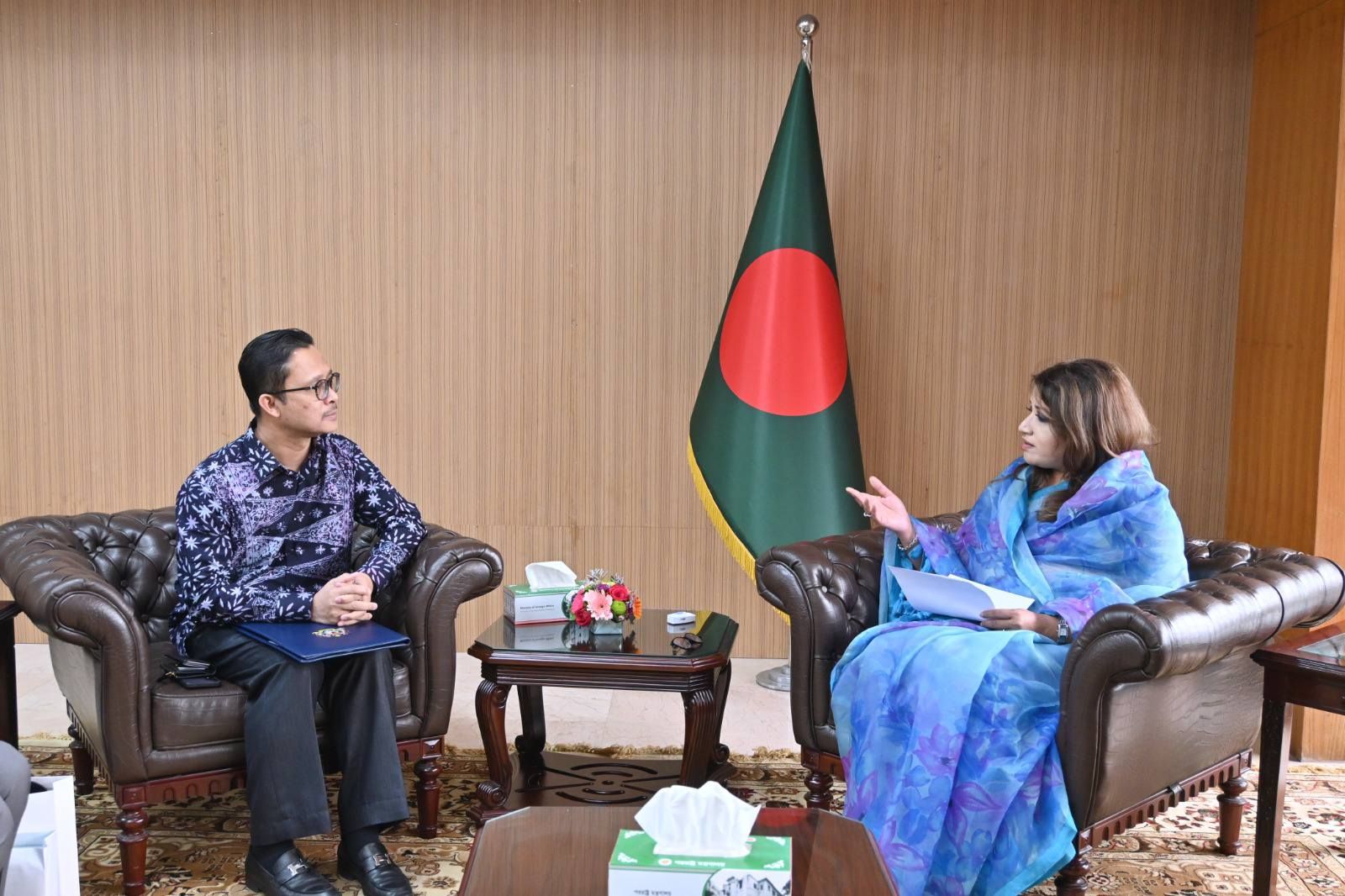
From his early courtesy calls on Bangladesh's Ministry of Foreign Affairs — including meetings with the State Minister for Foreign Affairs — the High Commissioner set a tone of active engagement rather than protocol-only diplomacy. In these meetings, discussions have consistently ranged across trade and investment, agriculture, energy, the halal industry and semiconductors, alongside calls for deeper private-sector engagement between the two countries' chambers of commerce.
This pattern of engagement reflects a broader recalibration in how Malaysia's Ministry of Foreign Affairs (Wisma Putra) approaches its missions in fast-growing but still under-leveraged markets: fewer purely ceremonial visits, more sector-specific outreach designed to translate goodwill into measurable commercial and people-to-people outcomes.
 Industrial and Trade Diplomacy: The Automobile Sector Opening
Among the more concrete initiatives associated with the High Commissioner's tenure has been his advocacy for automobile-sector partnership between the two countries. Speaking publicly on the sidelines of a regional engagement, he pointed to the potential for Malaysian automobile companies to explore vehicle assembly operations within Bangladesh, paired with technology transfer and training opportunities for young Bangladeshi professionals — a model that would allow Bangladesh to build domestic industrial capacity while giving Malaysian manufacturers a foothold in one of South Asia's largest consumer markets.
This proposal did not emerge in isolation. It came during a courtesy call on Bangladesh's State Minister for Foreign Affairs, in which both sides also discussed expanding cooperation in agriculture, energy, the halal industry and semiconductors, together with a push for greater private-sector engagement. Bangladesh, for its part, used the same discussions to press its own priorities: expanding exports of ready-made garments to Malaysia, and securing continued facilitation of multiple-entry visas for Bangladeshi nationals — a request Malaysia has already moved to accommodate.
The willingness to discuss industrial collaboration — rather than confining the relationship to raw trade flows — signals an attempt to correct a long-standing structural imbalance. As matters currently stand, Malaysia's exports to Bangladesh are several times the value of what it imports, a gap Bangladeshi trade bodies have flagged as unsustainable in the long run and which has fed into recent, still-developing discussions around a bilateral free trade arrangement.
Tourism, Connectivity and the 'Visit Malaysia 2026' Push
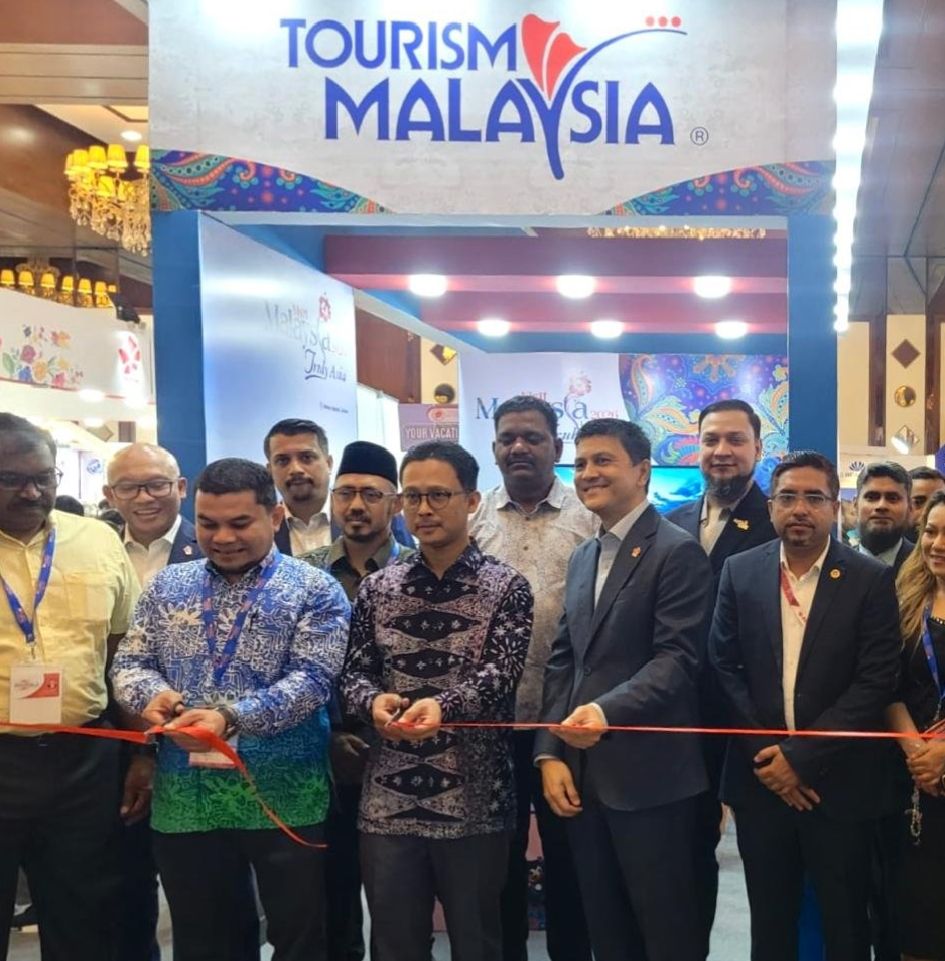
Tourism promotion has been another visible strand of the High Commissioner's outreach. At the launch of the Malaysia Tourism Fair in Dhaka, he set out Malaysia's ambition to attract around 300,000 Bangladeshi tourists in 2026 under the 'Malaysia Truly Asia — Visit Malaysia 2026' campaign, describing Bangladesh as one of Malaysia's strongest and fastest-growing tourist source markets. The launch also introduced Festival Malaysia in Dhaka, giving Bangladeshi audiences a taste of Malaysian culture, cuisine and destinations.
The High Commissioner has paired this promotional push with practical consular reform. Responding directly to public concerns about Bangladeshi travellers being turned back at Malaysian immigration checkpoints, he has urged applicants to use the official e-Visa portal directly rather than through third-party agents, cautioning that document discrepancies introduced by intermediaries have led to avoidable blacklisting. This kind of plain-spoken consular guidance — delivered publicly rather than left to bureaucratic notices — reflects an approach to diplomacy that treats ordinary travellers, not just officials and investors, as stakeholders in the bilateral relationship.
Sectoral Breadth: Agriculture, Energy and the Halal Economy
Beyond automobiles and tourism, the High Commission's engagement under His Excellency Mohd Shuhada Othman has extended into less headline-grabbing but structurally important sectors. A courtesy call from the International Tropical Fruits Network during an official working visit to Bangladesh underscored Malaysia's role as a convening partner in agricultural cooperation, with discussions touching on sustainable production, trade and Bangladesh's growing contribution to the regional tropical fruit industry.
Energy and the halal economy have likewise featured prominently in his discussions with Bangladeshi counterparts. Malaysia's decades of experience in halal certification and standards — an area in which it is widely regarded as a global reference point — offers Bangladesh a template as it seeks to expand its own halal exports, while cooperation on energy security dovetails with Bangladesh's ongoing efforts to diversify its power and fuel supply. The inclusion of semiconductors in the bilateral conversation, still nascent, points to where the relationship's more ambitious diplomats hope to take it in the coming years, as Malaysia positions itself within global semiconductor supply chains and looks for partners willing to build complementary capacity.
People-to-People Ties: Students, Labour and Diaspora
No account of the bilateral relationship is complete without its human dimension. More than ten thousand Bangladeshi students are currently studying in Malaysia, making it one of the largest South Asian student cohorts in Malaysian universities and polytechnics. This flow has been reinforced by Malaysia's facilitation of multiple-entry visas for Bangladeshi nationals — a measure welcomed explicitly by Bangladesh's Ministry of Foreign Affairs as easing both education-related and business travel.
Labour migration remains the oldest and, in raw numbers, the most consequential channel of exchange between the two countries, with Bangladeshi workers long forming a significant part of Malaysia's manufacturing, plantation and services workforce. The High Commissioner's public emphasis on transparent, agent-free visa processing speaks directly to this constituency, since it is ordinary workers and their families — not only investors — who bear the cost when documentation or intermediary practices go wrong.
Bilateral Relationship in Numbers
The following snapshot draws on United Nations Comtrade data as reported through 2025, alongside figures cited publicly by Malaysian and Bangladeshi officials, and illustrates both the scale of the relationship and the imbalance that current diplomatic efforts are attempting to address.
Indicator Value (2025) Notes
Total bilateral trade ≈ US$3.0 billion Balance heavily favours Malaysia
Malaysia's exports to Bangladesh
US$2.35 billion Led by mineral fuels/oils, palm-based products, machinery
Malaysia's imports from Bangladesh
US$490.6 million Mainly readymade garments and textiles
Bangladeshi students in Malaysia
10,000+ Among the largest South Asian student cohorts in Malaysia.
2026 tourism target 300,000 visitors
Under the 'Malaysia Truly Asia' campaign.
The imbalance evident in these figures — Malaysia's exports to Bangladesh running at roughly five times the value of its imports — has become a recurring theme in bilateral discussions, including within Bangladesh's business community. The Bangladesh–Malaysia Chamber of Commerce and Industry has been vocal in calling for a more balanced trading relationship, and momentum toward a possible Free Trade Agreement has grown following recent high-level exchanges, including a visit associated with Bangladesh's Prime Minister, Tarique Rahman. Malaysian officials, including the High Commissioner, have signalled openness to a visit by the Bangladeshi Prime Minister to Malaysia as a means of further elevating the relationship.
Assessing the Contribution: Continuity, Initiative and Constraint
It would be an overstatement to credit any single envoy with reshaping a fifty-year-old bilateral relationship. Structural drivers — Bangladesh's demographic weight, its labour-export economy, Malaysia's position within ASEAN and the Islamic world, and the two countries' complementary trade profiles — set the outer boundaries of what any High Commissioner can achieve. What a resident envoy can do, within those boundaries, is set tempo: deciding which sectors get prioritised, which meetings get scheduled, which public messages get delivered, and how quickly consular friction points get addressed.
On that narrower but still meaningful measure, His Excellency Mohd Shuhada Othman's tenure has been characterised by a comparatively high tempo of engagement across a wide sectoral range — automobiles, tourism, agriculture, energy, halal trade and semiconductors — combined with an evident willingness to speak candidly on sensitive consular issues rather than leave them unaddressed. Whether this translates into a materially rebalanced trade relationship, a concluded Free Trade Agreement, or a realised high-level visit will depend on decisions taken well above the level of any single mission. But the groundwork of active, sector-specific diplomacy being laid in Dhaka is, by most conventional measures of mission performance, a genuine contribution to the relationship's forward momentum.
Looking Ahead: What Merdeka 69 Signals for the Relationship
As Malaysia marks sixty-nine years of independence, the state of its relationship with Bangladesh offers a useful case study in how middle-sized Asian economies manage their regional partnerships in an era of shifting supply chains and trade realignment. Three trends are worth watching in the year ahead.
Trade rebalancing: continued discussion of a Free Trade Agreement, and diversification of Bangladeshi exports beyond garments, will determine whether the current trade imbalance narrows or persists.
Sectoral diversification: early-stage cooperation in halal trade, energy and semiconductors could, if sustained, shift the relationship's centre of gravity away from labour migration alone.
High-level exchange: a prospective visit by Bangladesh's Prime Minister to Malaysia, if it materialises, would be the clearest signal yet that both governments intend to institutionalise the momentum built at the mission level over the past two years.
For the Malaysian community in Dhaka and for the wider circle of Bangladeshi partners, students and travellers connected to Malaysia, this Merdeka anniversary is thus not only a celebration of nationhood but a marker of a bilateral relationship in active transition — one in which the resident High Commissioner's day-to-day diplomacy, however incremental, forms a meaningful part of the story.
 Conclusion
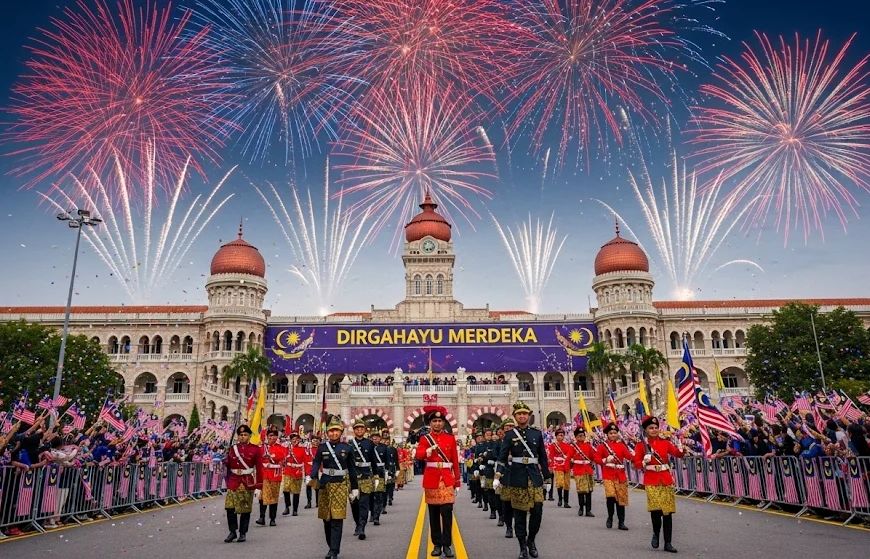
Sixty-nine years after Merdeka, Malaysia's story is no longer told only in the language of nation-building at home; it is told equally in the quieter, cumulative work of its missions abroad. In Dhaka, that work has, under His Excellency Mohd Shuhada Othman, taken the shape of persistent economic diplomacy: opening industrial doors, promoting tourism, defending ordinary travellers from avoidable bureaucratic harm, and keeping alive the prospect of a more balanced and diversified Malaysia–Bangladesh partnership. As both nations look toward the next chapter of their relationship, the sixty-ninth Merdeka anniversary stands as a fitting occasion to recognise that contribution, even as the harder structural work of rebalancing trade and institutionalising high-level exchange remains, deliberately, unfinished business for the years ahead.
U.S. Delivers $2.4 Million in Health Equipment to Strengt...
1
Diplomatic Correspondent: The United States has provided $2....
Thai Halal Products Eye Bangladesh Market
2
Diplomatic Correspondent: Thailand is seeking to expand its ...
Vietnam Celebrates 81st National Day in Dhaka, Reaffirms ...
3
Diplomatic Correspondent: The Embassy of the Socialist Repub...
Bangladesh Team Selected for International Climate Olympiad
4
Diplomatic Correspondent: Russian House in Dhaka hosted the ...
Russian Flag Day Celebrated at Russian House in Dhaka
5
Diplomatic Correspondent: The Russian House in Dhaka hosted ...



মন্তব্য (0)