



- Lead News
- International
How much of a concern is the Saudi-Turkey-Pakistan military agreement for India?
- লিড নিউজ
- International
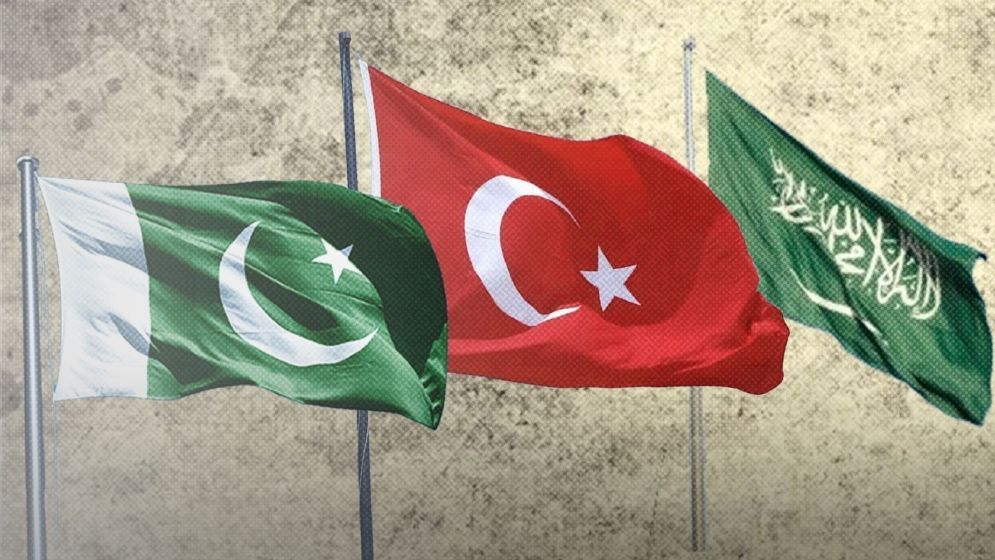
Photo: Collected
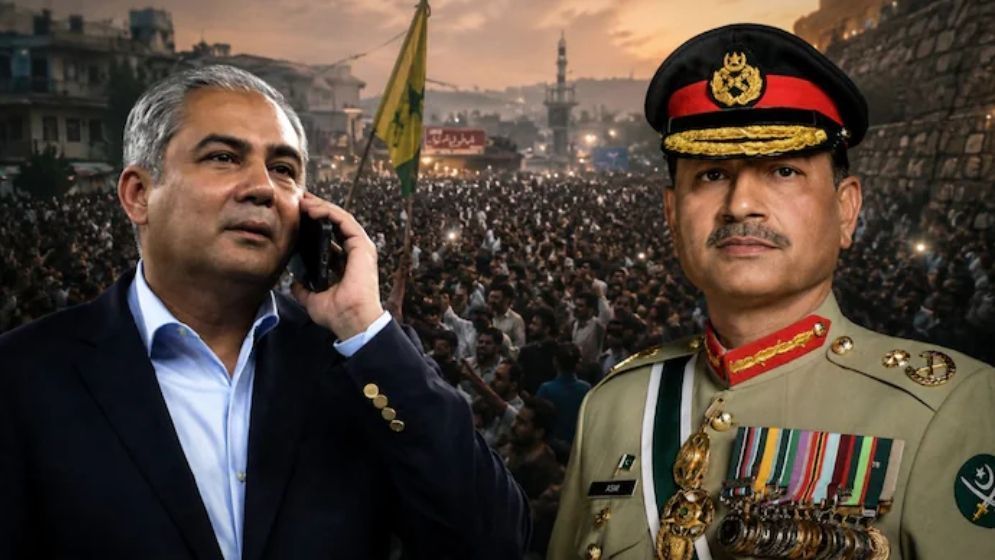
News Desk: Turkey was already with Pakistan, and now Saudi Arabia has joined them as well. With these three countries recently signing a major defense agreement, India is being forced to rethink its strategic security.
Following a brief conflict between India and Pakistan in July last year, a Vice Chief of the Indian Army stated that India is essentially having to tackle three enemies at once for its border security. In that conflict, while Pakistan fought directly, China provided information assistance using real-time satellites, and Turkey supported Pakistan with kamikaze drones.
Earlier this month, Pakistan, Turkey, and Saudi Arabia signed a joint defense pact. The core principle of this agreement is that an attack on any one of these three countries will be considered an attack on all three. This means that if a military conflict breaks out between India and Pakistan in the future, Saudi Arabia could officially stand against India as a fourth party.
Although Pakistan's Foreign Minister called the treaty purely defensive, it remains a matter of concern for India. This is because India shares a very good and deep relationship with Saudi Arabia. The two countries engage in billions of dollars worth of trade, and India imports a large portion of its total oil requirement from Saudi Arabia.
Saudi Arabia has long been extending major financial aid to Pakistan during its economic crises. Riyadh has saved the country from default by allowing deferred payments for oil purchases and depositing billions of dollars in Pakistani banks. Beyond economics, the military ties between the two nations are also long-standing. In the past, Pakistani troops have worked to protect Saudi Arabia, and the two countries regularly conduct joint military exercises.
Pakistan relies heavily on Turkey for its arms imports. Pakistan has inducted Turkey's famous Bayraktar drones and naval warships (corvettes) into its fleet. During last year's conflict with India, when Pakistan used Turkish drones, India retaliated with strong diplomatic and economic measures—such as revoking security clearance for a Turkish company and urging Indians to boycott travel to Turkey.
If Pakistan does not step back from its path of sponsored terrorism, this new tripartite alliance could become a major headache for India. Although this agreement is not quite as strong as the Western military alliance NATO and lacks a unified command or specific rules of engagement, India is unwilling to take any risks regarding its security in the long run. Delhi remains vigilant to ensure that no party can leverage this treaty to exert collective pressure against India in the future.
Source: NDTV
Israel will leave troops in Lebanon, not accepting the ob...
1
News Desk: Israel will not withdraw its troops from the “security zone&...
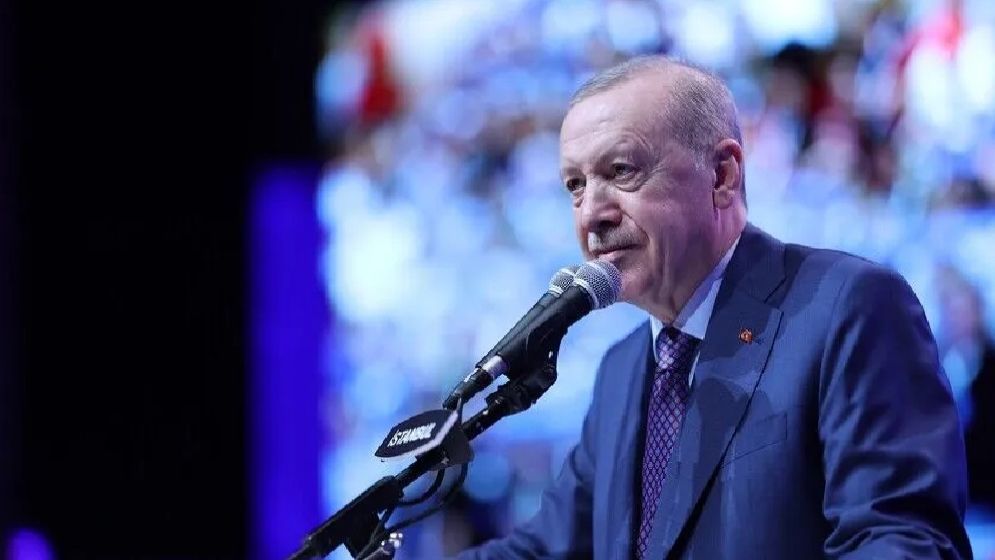
Erdogan Wants More Countries to Join the “Mecca Agreement"
2
News Desk: Turkish President Recep Tayyip Erdogan ...

The country that abolished the death penalty for the firs...
3
News Desk: Lebanon has officially abolished the death penalty, becoming the f...

I could have died too: Mamata
4
News Desk: Former Chief Minister of West Bengal Ma...
Terrible disaster in the United States, 67 thousand peopl...
5
International Desk: A devastating wildfire in the U.S. state of Washi...



Comment (0)