
- International
How much longer will the Western world continue to ignore the humanitarian crisis in the Gaza Strip?
- International
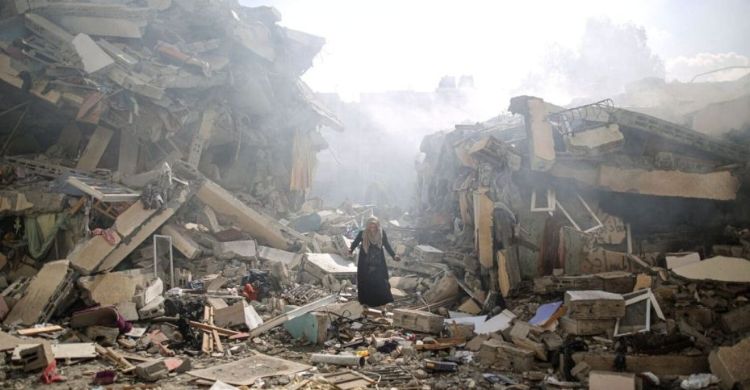
Photo: Collected
Although successive independent investigations by the United Nations and the international community have concluded that Israel has systematically carried out acts of genocide in the Gaza Strip, influential Western countries continue to refuse to acknowledge this harsh reality.
Most recently, on 23 June, a new report by the United Nations Independent International Commission of Inquiry on the Occupied Palestinian Territory documented in detail the grave crimes committed by Israeli forces against the Palestinian people, particularly children.
Even before this, following the outbreak of the crisis in October 2023, UN special rapporteurs and investigative bodies presented what they described as compelling evidence of genocide in reports released in September and October 2025. Yet, despite two years of continuous live footage of destruction, ethnic cleansing, and widespread starvation being broadcast around the world, Western policymakers have continued to avert their eyes from these realities.
Assessments by some of the world's most prominent human rights organizations, together with statements made by Israeli officials themselves, have been cited as indicating genocidal intent. Nevertheless, European and other Western governments have maintained a rigid and consistent stance. Official responses from Western leaders to these internationally published reports have been minimal, in stark contrast to their reactions to allegations involving other countries. Across political, media, and cultural spheres, the use of the term genocide in relation to Israel has effectively become an unwritten taboo. This double standard has led many around the world to question whether recognition of genocide now depends on the identity of the perpetrator and the status of the victims.
Perhaps the clearest example of this perceived bias is the Western world's repeated diplomatic assertion that Israel has the right to defend itself. Israeli leaders have been accused of using this phrase as political justification for widespread military operations resulting in extensive civilian casualties and destruction. Meanwhile, under international humanitarian law, Palestinians' right to self-defense and to resist prolonged military occupation of their land is often overlooked in Western discourse.
Those who deny or obscure what is happening, critics argue, are indirectly encouraging the perpetrators to commit further war crimes. Apart from Spain and a small number of other Western leaders, few have publicly described Israel's actions as war crimes or genocide.
The contrasting positions adopted by European Union member states on Ukraine and Palestine have, according to critics, exposed a profound moral inconsistency on the global stage. This approach has effectively placed Palestinian lives, security, and human dignity on a lower footing than those of others.
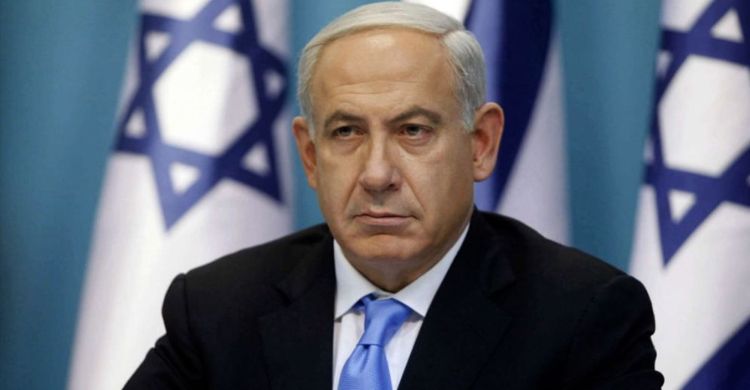
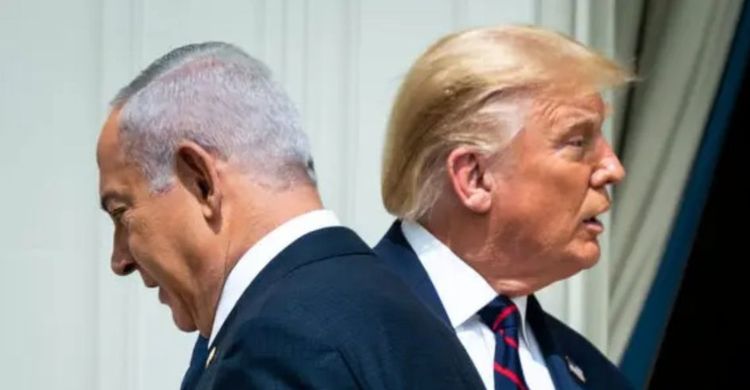
Even after the International Criminal Court (ICC) issued an arrest warrant for Israeli Prime Minister Benjamin Netanyahu, Western criticism has largely remained focused on two far-right Israeli ministers—Itamar Ben-Gvir and Bezalel Smotrich—along with a number of extremist settler groups. Meanwhile, the Israeli military and the country's senior political leadership have, critics contend, largely escaped meaningful accountability.
The systematic violence has often been portrayed merely as a humanitarian crisis or a natural disaster rather than as a deliberate campaign. Furthermore, rather than supporting South Africa's case before the International Court of Justice (ICJ) alleging violations of the Genocide Convention, political pressure and sanctions have reportedly been directed at the Court's prosecutor and UN experts involved in investigating the allegations.
The Western world's continued refusal to acknowledge these allegations and its ongoing support for Israel, critics argue, not only undermine international law but also pose a serious threat to the very foundations of the global system of justice.
India Closely Monitoring Bangladesh’s Discussions and Pro...
1
International Desk: India is closely monitoring Ba...

US-Iran talks impact oil prices.
2
News Desk: Oil prices fell for the third consecutive day following Qatar&rsq...
The Impact of Algeria’s Independence on National Liberati...
3
Staff Correspondent: The independence of Algeria in 1962 mar...

China's response to Beijing, India's concerns on Teesta p...
4
International Desk: China has assured Bangladesh of its full support in imple...
Venezuela quake kills 1,430, leaves 69,000 missing
5
The death toll from the devastating twin earthquakes that struck Venezuela has risen sharply t...



Comment (0)