




- Lead News
- International
India Concerned Over Ganges Treaty, Urges Immediate Talks with Dhaka
- লিড নিউজ
- International
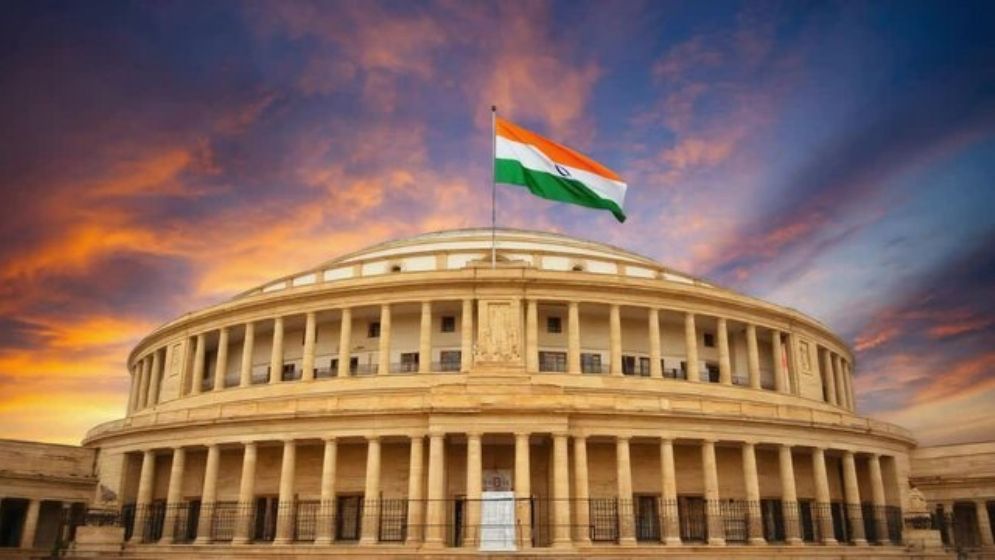
Photo: Collected
News Desk: With less than a year remaining before the expiration of the landmark 1996 Ganges Water Sharing Treaty between India and Bangladesh, India's Parliamentary Standing Committee on External Affairs has expressed deep concern over the absence of formal negotiations.
In its Fifteenth Action Taken Report, recently tabled in Parliament, the panel led by Congress MP Shashi Tharoor warned that time is running out and that failure to begin talks before the treaty expires could create fresh uncertainty in bilateral relations.
The committee noted that water sharing is not merely a technical issue but one that directly affects the agriculture, livelihoods, and access to drinking water of millions of people in both countries. It also remains a highly sensitive political issue in Bangladesh as well as the Indian states of West Bengal and Bihar. The report cautioned that failure to finalize a new agreement before the current treaty expires could undermine mutual trust, particularly at a time when Bangladesh has a new government and both countries are seeking to strengthen their strategic partnership.
The committee had earlier recommended that negotiations begin well before the treaty's expiration in 2026. It also urged the government to prepare its negotiating strategy based on updated climate data, hydrological information, and consultations with the governments of West Bengal and Bihar.
In response to the committee's earlier recommendations, India's Ministry of External Affairs stated that an inter-ministerial committee formed in July 2023 has been conducting an internal review of the treaty and that bilateral discussions were expected to begin under Bangladesh's new government. However, the parliamentary committee said it was not satisfied with that response.
The panel said that although the ministry referred to three years of preparatory work, it failed to clarify whether the internal review had been completed or what India's proposed negotiating framework would be. It also expressed disappointment over the lack of meaningful progress on the long-pending Teesta water-sharing agreement, urging the government to present concrete outcomes rather than merely describing existing institutional mechanisms.
The report is considered highly significant for current India-Bangladesh diplomatic relations. While the new Bangladeshi government led by Prime Minister Tarique Rahman presents an opportunity to reset bilateral ties, the committee warned that prolonged delays in resolving sensitive issues such as transboundary river water sharing could complicate the broader diplomatic relationship.
Of the committee's 33 recommendations, the government has accepted 25. However, comprehensive responses are still pending on the remaining eight recommendations concerning the renewal of the Ganges Treaty and broader river cooperation. In this context, the committee stated in clear terms that India can no longer rely solely on procedural reviews and routine institutional meetings. It warned that the window for meaningful negotiations is closing rapidly, and further delays could have consequences extending beyond water sharing to the overall future of bilateral relations.
Source: South Asian Herald.
Israel will leave troops in Lebanon, not accepting the ob...
1
News Desk: Israel will not withdraw its troops from the “security zone&...
Erdogan Wants More Countries to Join the “Mecca Agreement"
2
News Desk: Turkish President Recep Tayyip Erdogan ...

The country that abolished the death penalty for the firs...
3
News Desk: Lebanon has officially abolished the death penalty, becoming the f...
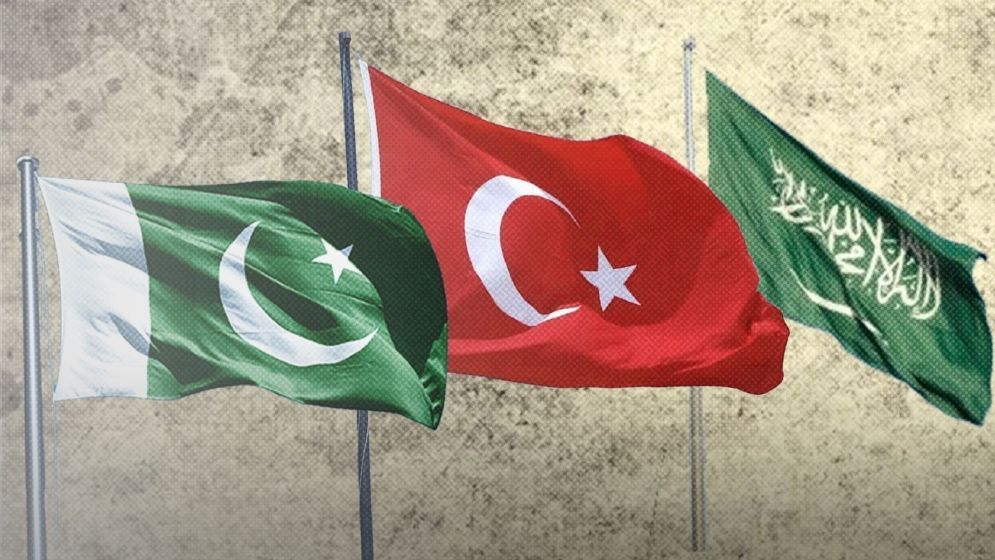
How much of a concern is the Saudi-Turkey-Pakistan milita...
4
News Desk: Turkey was already with Pakistan, and now Saudi Arabia has joined...
I could have died too: Mamata
5
News Desk: Former Chief Minister of West Bengal Ma...



মন্তব্য (0)