



- Lead News
- National
BIISS Seminar Calls for Youth Leadership, Justice and Cooperation in Water Governance
- লিড নিউজ
- National
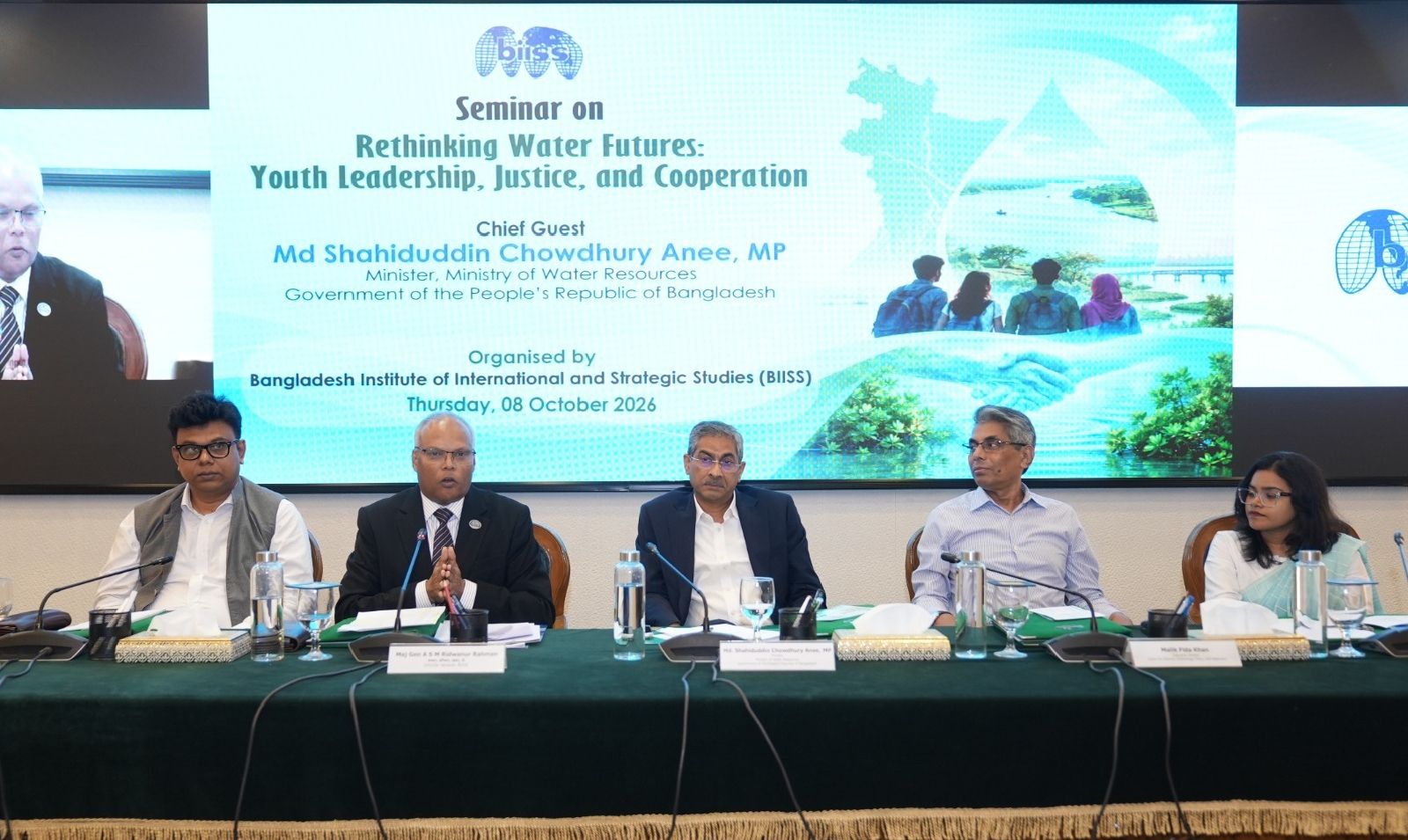
Photo: CNI
Staff Correspondent: The Bangladesh Institute of International and Strategic Studies (BIISS) organised a seminar titled “Rethinking Water Futures: Youth Leadership, Justice, and Cooperation” at the BIISS Auditorium in Dhaka on Thursday, highlighting the need for equitable water governance, stronger transboundary cooperation and greater youth participation in water diplomacy.
Humaiun Kobir, State Minister-1, Ministry of Foreign Affairs, Government of Bangladesh, delivered the keynote speech as the Guest of Honour, while Md. Shahiduddin Chowdhury Anee MP, Minister for Water Resources, attended the event as the Chief Guest. The session was chaired by Major General A S M Ridwanur Rahman, Director General of BIISS, who also delivered the welcome address.
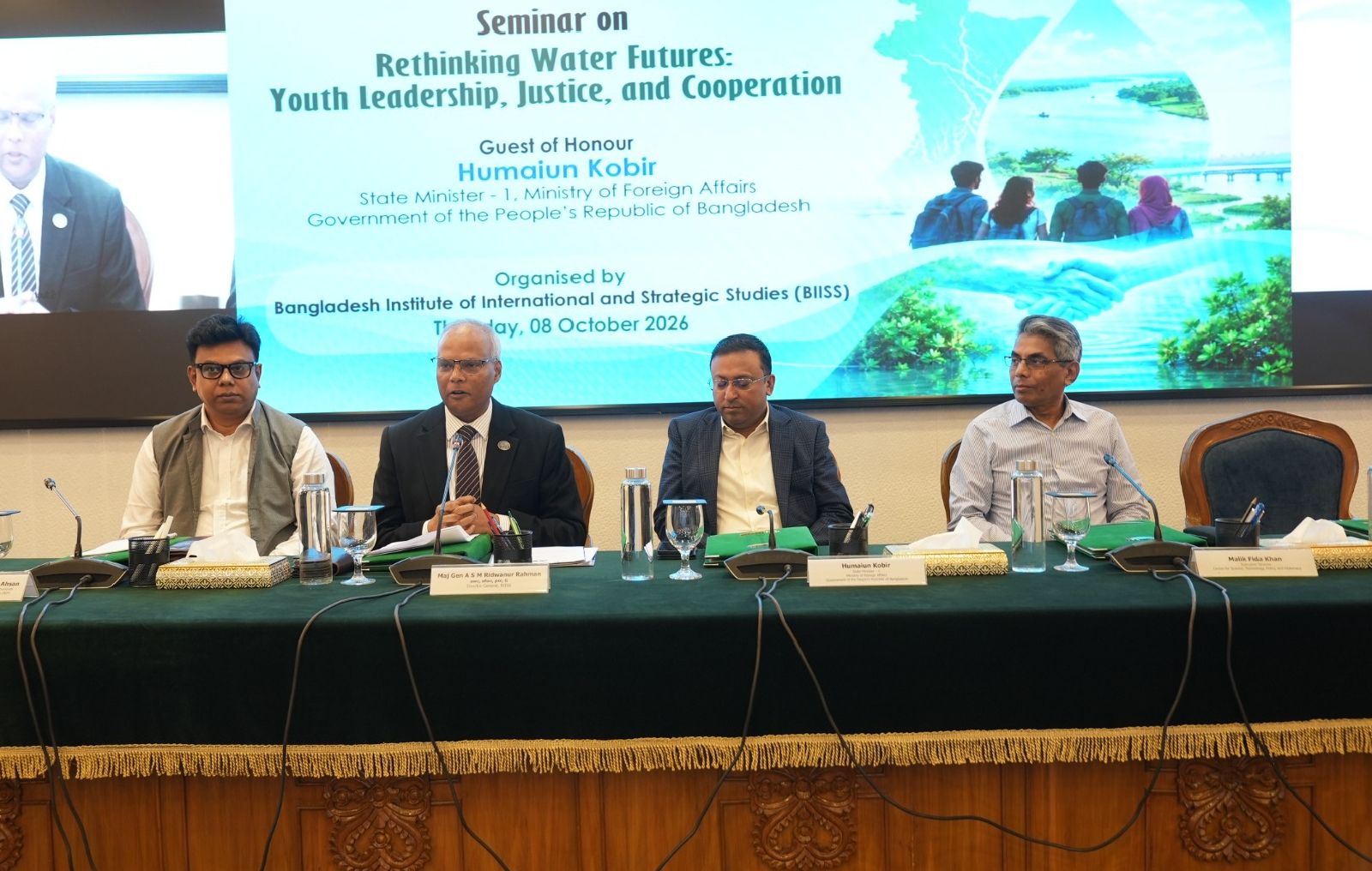 During the working session, Malik Fida Khan, Executive Director of the Centre for Science, Technology, Policy, and Diplomacy; Shaikh Muhammad Mehedi Ahsan, Principal Adaptive Planning Specialist at Deltares, Netherlands and Vice President (01) of the Bangladesh Institute of Planners (BIP); and Zerin Ahmed, former Technical Coordinator, Y&W Engagement, Transboundary Rivers of South Asia at Oxfam International, participated as panellists.
In his welcome address, Major General A S M Ridwanur Rahman underscored the importance of effective water management and transboundary water cooperation for Bangladesh. He stressed the need for meaningful youth participation in water diplomacy, equitable water governance and sustainable management of water resources for future generations.
In his keynote speech, Humaiun Kobir highlighted the importance of water diplomacy at multilateral platforms and pointed to opportunities for Bangladesh to strengthen international partnerships, technology transfer and scientific cooperation. He also emphasised stronger international engagement and cooperation with like-minded countries to advance Bangladesh’s interests in transboundary water management.
The seminar addressed a wide range of issues related to transboundary water management, including water justice, inclusive governance, scientific and data cooperation, multilateral water diplomacy and public-private partnerships.
The panellists emphasised that water management should not be viewed merely as a matter of resource allocation. Rather, it is closely linked to the environment, economy, food security, livelihoods, peace and regional cooperation. They also stressed the importance of creating meaningful opportunities for young people to participate in decision-making and policymaking on transboundary water governance.
As the Chief Guest, Md. Shahiduddin Chowdhury Anee MP emphasised the importance of equitable and sustainable approaches to water resource management and transboundary water cooperation. He called for inclusive participation of all relevant stakeholders and urged policymakers to ensure that the interests of future generations remain an integral part of water governance and policymaking.
Senior government officials, diplomats, researchers, academics, water and environmental experts, university faculty members and students, youth representatives, private-sector representatives, civil society members, NGO representatives, think-tank representatives and media professionals attended the seminar.
Their views and experiences shared during the open discussion session enriched the deliberations on the future of water governance, cooperation and diplomacy.

SABCCI Calls for Restraint and Swift Resolution Amid Sau...
1
Staff Correspondent: The Saudi Arabia–Bangladesh Chamb...
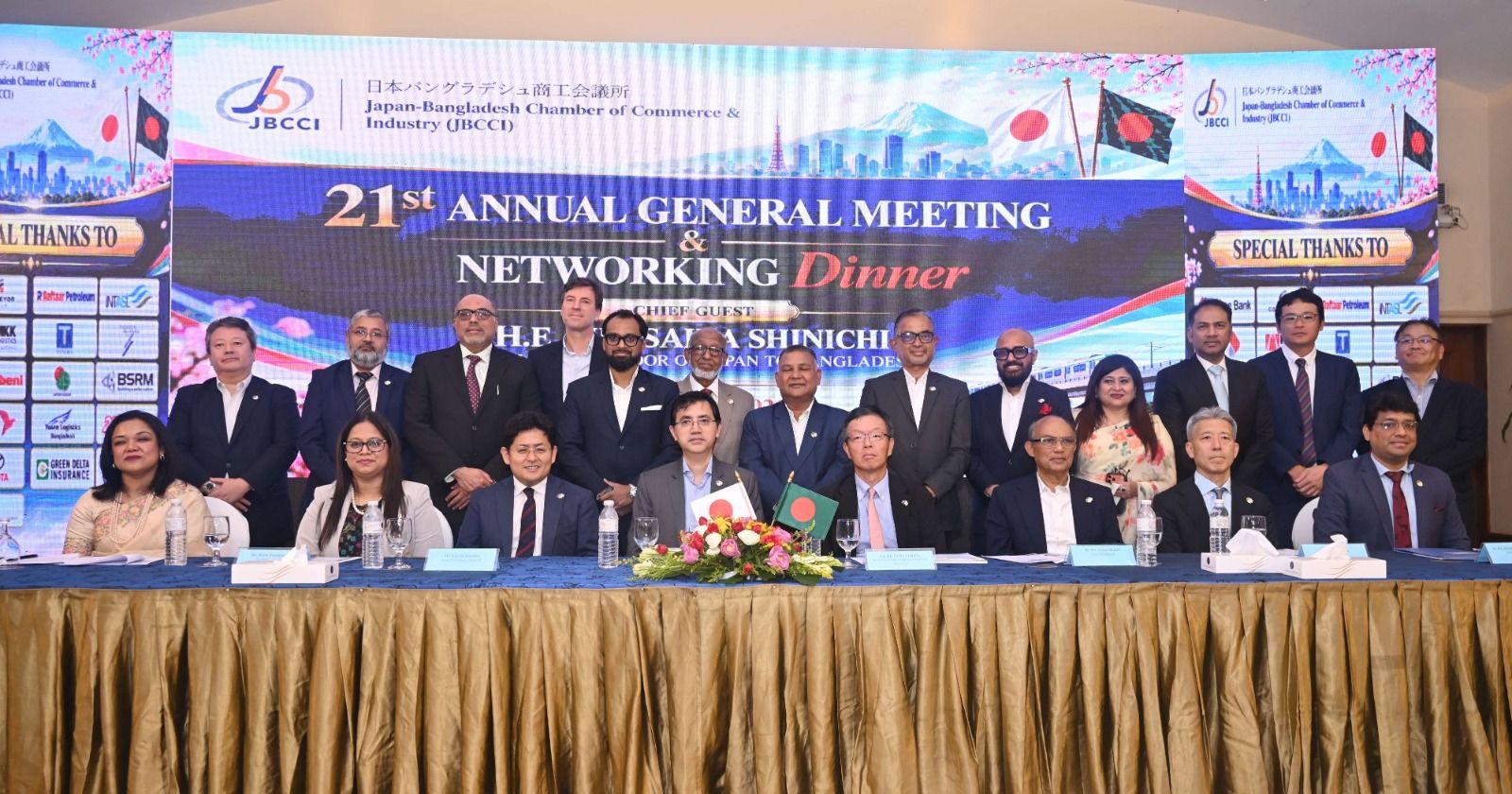
JBCCI Holds 21st AGM, Unveils New Board for 2026–2028
2
Staff Correspondent: The Japan-Bangladesh Chamber of Commerc...
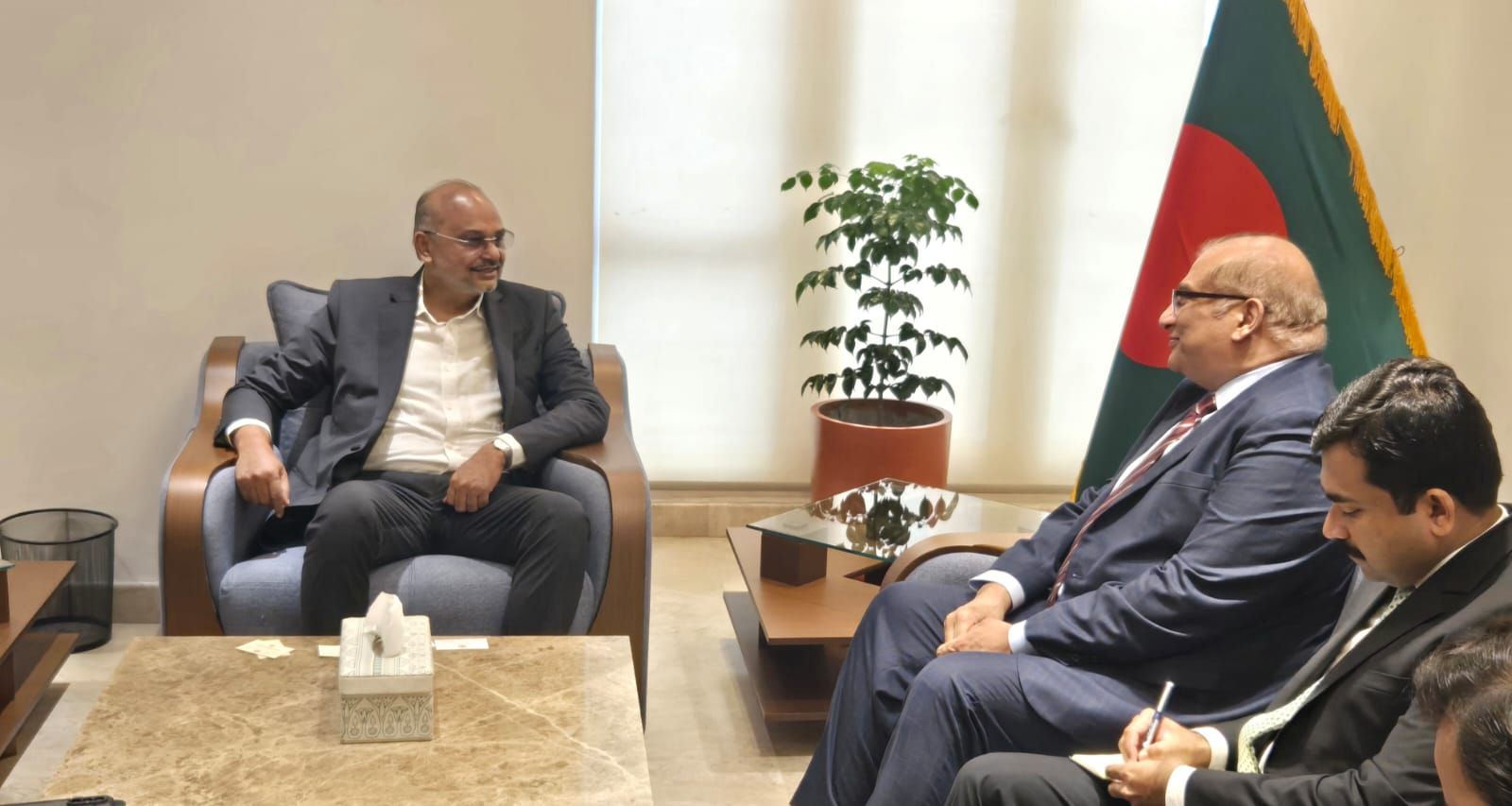
Pakistan, Bangladesh Discuss Trade, Investment and Econom...
3
Staff Correspondent : Pakistan High Commissioner to Ba...
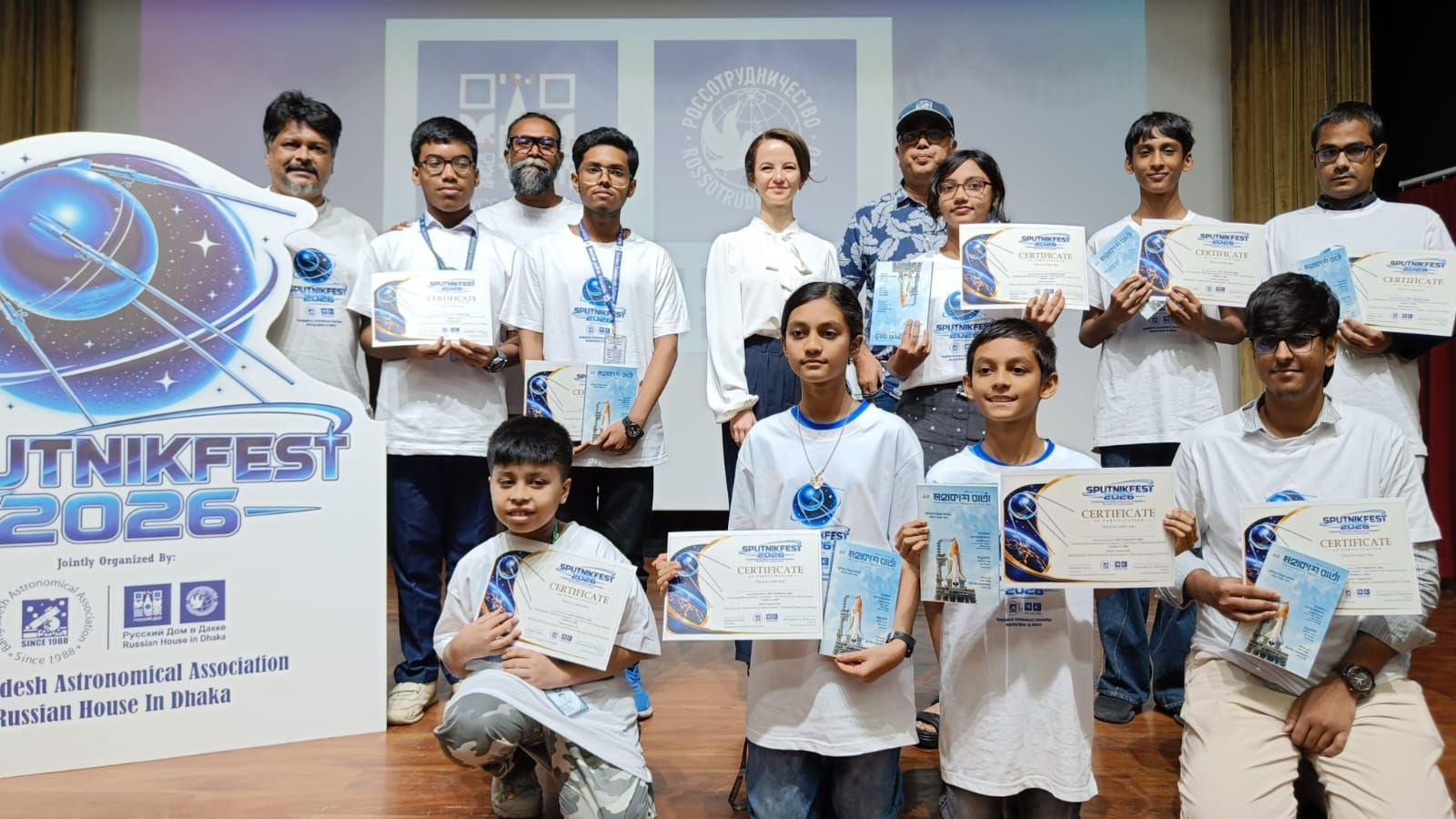
Space Festival at Russian House in Dhaka Marks 69 Years o...
4
Staff Correspondent : Russian House in Dhaka, in cooperation...
Shakawath Hossain Wins Best Sustainable Tourism Initiati...
5
Staff Correspondent: Md. Shakawath Hossain, Chief Executive ...



মন্তব্য (0)