


- Lead News
- Lifestyle
How to avoid flatulence
- লিড নিউজ
- Lifestyle
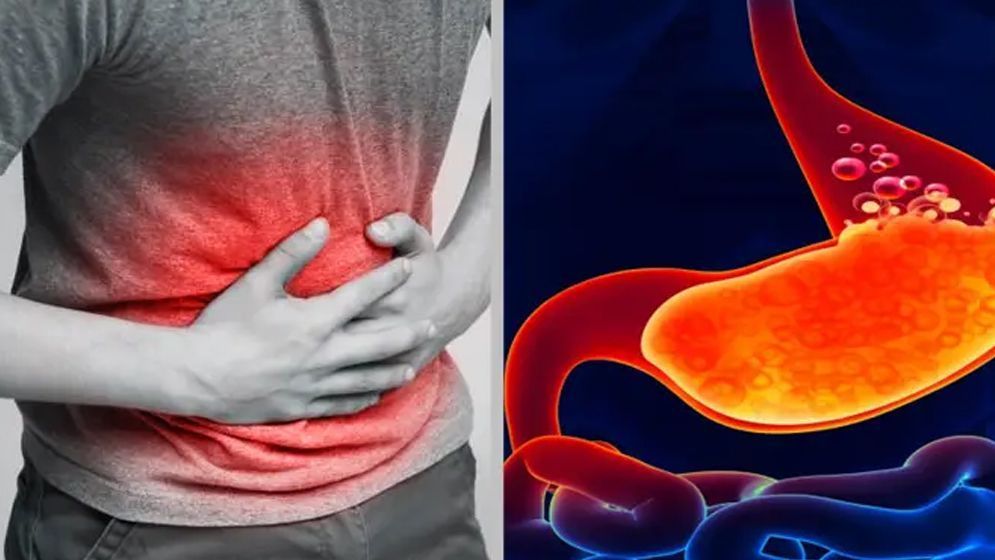
Photo: Collected
News Desk:
Does your stomach suddenly feel bloated, tight, or uncomfortable even when you haven’t eaten much? Bloating is currently one of the most common digestive problems. While occasional bloating is normal, if it happens regularly, it may indicate that your body is struggling to adjust to certain daily habits.
Many people think bloating only happens after eating heavy or fatty foods. However, in reality, stress, eating habits, and certain food combinations can also be responsible. Let’s take a look at the possible causes of bloating—
1. Eating too quickly
If you finish your meal in less than 10 minutes, more air enters your stomach along with the food. Eating quickly also means food is not chewed properly, leading to digestive problems and gas formation. Experts advise eating slowly, chewing thoroughly, and avoiding unnecessary talking while eating.
2. Overeating healthy foods
Foods such as peas, broccoli, cabbage, and lentils contain high amounts of fiber and fermentable carbohydrates. Although nutritious, consuming them in excess can cause gas. It’s better to gradually add fiber to your diet rather than eating large amounts at once, allowing your intestines to adjust more easily.
3. Dairy intolerance
If you are lactose intolerant, you may experience bloating after consuming milk, cheese, or ice cream. If discomfort occurs a few hours after eating dairy products, it should be taken seriously. You can try eliminating dairy for a week to see if symptoms improve.
4. Artificial sweeteners and carbonated drinks
Soft drinks or carbonated beverages contain excess gas that can build up in the stomach and cause discomfort. Artificial sweeteners such as sorbitol and xylitol are also not easily digested. Replacing these with water or herbal tea may help.
5. Hormonal changes
For many women, bloating increases before menstruation. Hormonal fluctuations can cause water retention and slow down digestion. Paying attention to when symptoms occur can help identify the cause.
6. Stress and anxiety
There is a close connection between the brain and the gut. Excessive stress can affect digestion, and when food remains in the intestines for too long, gas can form. Regular exercise, breathing exercises, adequate sleep, and mindful eating can help reduce this problem.

Hair falls due to mental stress
1
News Desk:
Hair fall is a common issue, but when it becomes excessive,...

Are you suffering from piles problems? Drink these drinks...
2
Lifestyle Desk: He who has the problem of piles knows exactly how ...

Know the method of making Amalaki Achar
3
Lifestyle Desk : Amalaki is a source of Vitamin C. There are very ...

Know what to do to control uric acid levels
4
Lifestyle Desk: If the level of uric acid in our body is excessive...
Know the foods that help to increase the glow of the skin
5
Lifestyle Desk: More or less people want to increase the brightnes...



Comment (0)