

- লিড নিউজ
- কূটনৈতিক সংবাদ
Bangladesh to increase trade with Afghanistan Exports stand 11 million in 2024-25 FY
- Lead News
- কূটনৈতিক সংবাদ
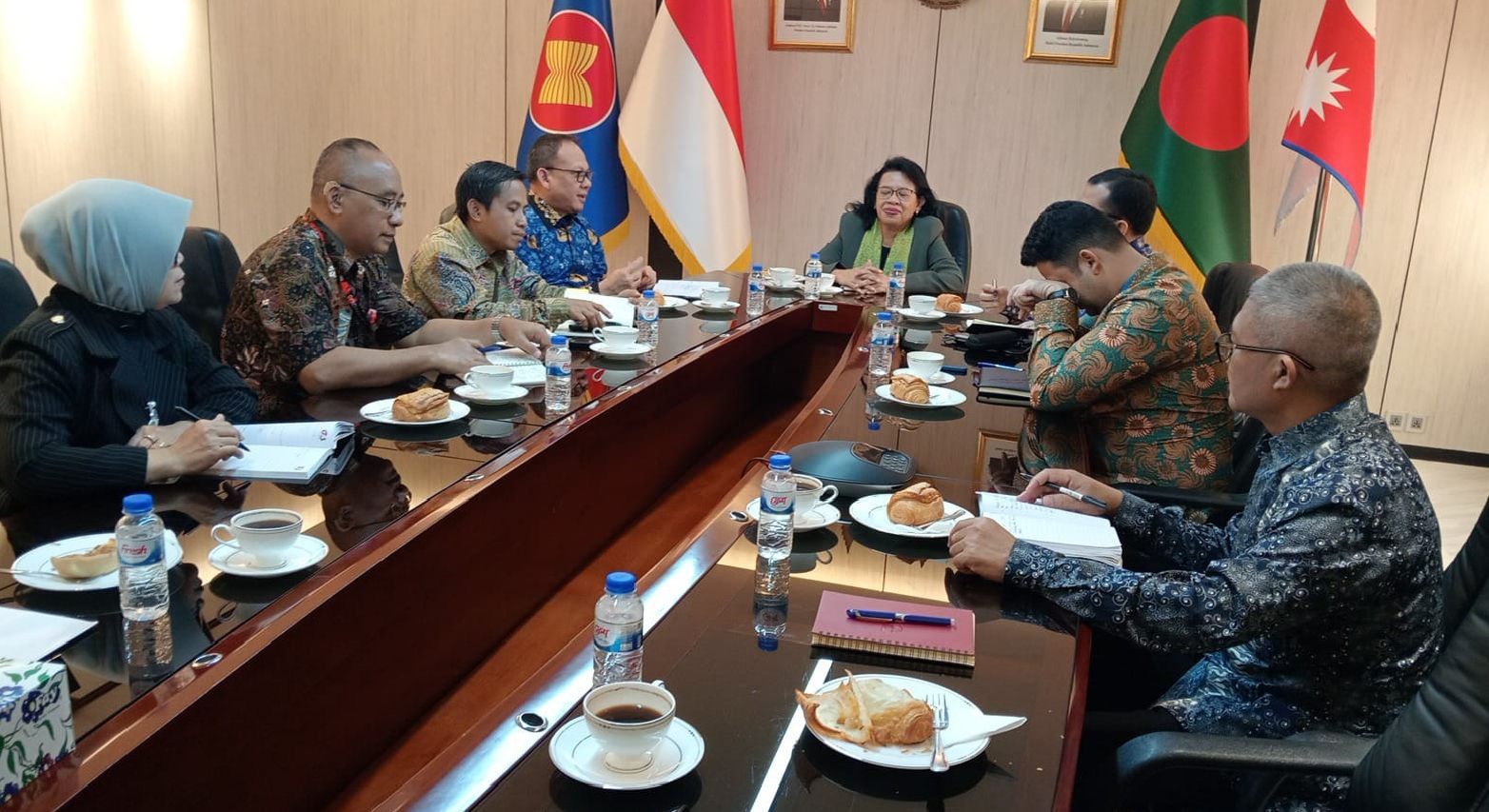
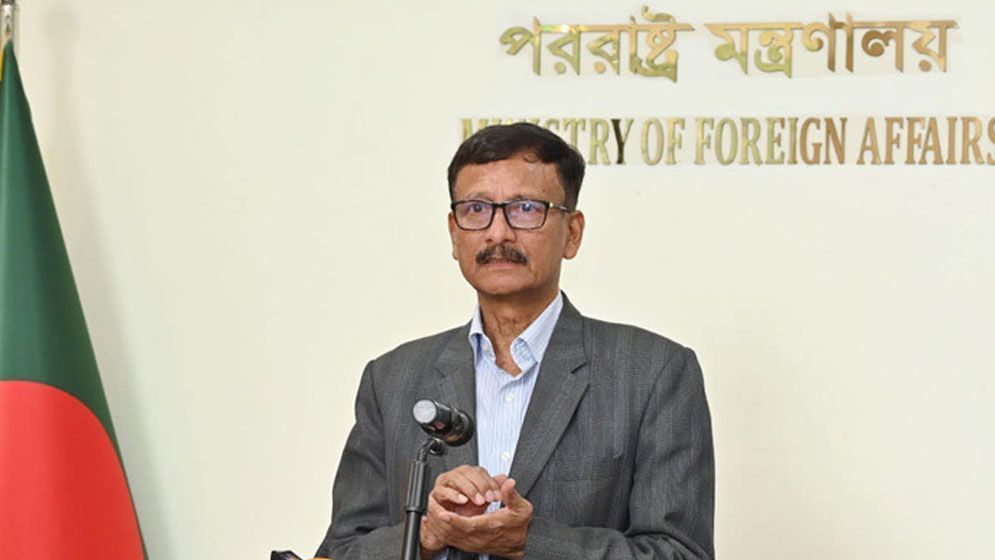
ছবিঃ সিএনআই
Diplomatic Correspondent: The interest of small business groups in Bangladesh to increase engagement with Afghanistan has increased since the ungracious departure of former Prime Minister Sheikh Hasina on August 5, 2024 through mass movement, engineered by the students, sources said.
Though Afghanistan has not been in the radar of leading businessmen and exporters, small business leaders see the prospect of 100 million US dollars with the South Asian country in the next couple of years.
According to available sources, the trade between Bangladesh-Afghanistan are hovering at some 30 million US dollars.
Meanwhile, Bangladesh and Afghanistan have agreed to elevate their relations from friendly ties to a practical economic partnership aimed at increasing trade, strengthening mutual trust and generating tangible economic benefits for both countries.
Afghanistan has expressed its desire to strengthen bilateral relations with Bangladesh during the first official visit of Afghanistan's Deputy Minister of Industry and Commerce, Ahmadullah Zahid.
Zahid, who visited Bangladeshm has already held meetings with Commerce Secretary Mahbubur Rahman and Vice Chairman of the Export Promotion Bureau (EPB) Mohammad Hasan Arif.
He led a delegation of around 50 members to expand bilateral trade relations between the two countries, according to Afghanistan's Ministry of Industry and Commerce.
During the visit, the two sides held comprehensive discussions on export and import facilities, joint venture opportunities, and ways to strengthen commercial cooperation.
According to the Afghan side, the purpose of the visit is to explore new markets for Afghan traders, expand export opportunities for Afghan products, and strengthen regional economic cooperation.
The Deputy Minister of Industry and Commerce met EPB Vice Chairman Mohammad Hasan Arif while visiting the country's international trade exhibition
Arif said Bangladesh is ready to export high-quality medicines and medical products to Afghanistan systematically and sustainably, saying that Bangladesh's pharmaceutical sector is advanced and meets international standards, according to a statement from Afghanistan's Ministry of Industry and Commerce.
The Afghan side welcomed Bangladesh's readiness, describing it as vital for the country's healthcare needs.
Both sides agreed to elevate their ties from friendly relations to practical economic cooperation to boost trade volume and strengthen mutual trust.
Afghanistan's Ministry of Industry and Commerce emphasised that such visits play an important role in economic growth, business development and strengthening the national economy.
Bangladesh reiterated its interest in exporting quality medicines and medical products to Afghanistan on a regular and sustainable basis.
The Afghan delegation highlighted the importance of this initiative for the country's healthcare sector and noted that the economies of the two countries are complementary.
The two sides also discussed joint business meetings, business-to-business (B2B) engagement, and official cooperation.
Meanwhile, Bangladesh's pharmaceutical exports have more than doubled over the past seven years, reaching $213 million in the just-concluded fiscal year 2024-2025
However, on a year-on-year basis, the latest export figure was just 4 percent higher than the $205 million generated in the preceding fiscal year of 2023-24.
Industry insiders remain confident that the momentum would prevail as Bangladeshi pharmaceutical firms are expanding into new and emerging markets.
Seven years ago, the country used to send medicines to around 140 countries. This has now risen to 166 nations across the globe.
Sources said that the Afghan delegation visited Square Pharmaceuticals Company and showed deep interest in importing pharmaceutical products.
Bangladesh exported goods worth 6.6 million US dollars (6570179.67 US dollars) to Afghanistan during the July-December period of the 2025-26 fiscal year, according to data of Export Promotion Bureau (EPB)
Bangladesh exported goods worth 11 million US dollars (11094346.24 US dollars) to Afghanistan during the July-June period of the 2024-25 fiscal year, according to data of Export Promotion Bureau (EPB)
Bangladesh’s export to Afghanistan recorded at $8.8 million (8858124.13 US dollars during the July-March period of 2024-25, according to data of the Export Promotion Bureau (EPB)
Bangladesh ’s export to Afghanistan recorded at (10 million US dollars) 10164582.64 US dollars during the July-June period of 2023-24 fiscal year, according to data of the Export Promotion Bureau (EPB)…………
Some 42 per cent of Afghanistan’s total exports go to Pakistan, 40 per cent to India, 4.00 per cent to China, 2.00 per cent to UAE and 2.00 per cent to Turkey, according to Afghanistan data of Afghanistan.
Meanwhile, Afghanistan's total trade in goods surged to nearly 14 billion U.S. dollars in 2025, marking a significant year-on-year increase, the Ministry of Commerce and Industry announced recently, according to Xinhua.
"The country's overall trade volume stood at 13.93 billion U.S. dollars, with exports totaling 1.8 billion dollars and imports amounting to over 12.12 billion dollars," according to ministry spokesman Akhundzada Abdul Salam Jawad.
Key exports comprised fresh and dried fruits, saffron, herbal medicines, vegetables, minerals, and carpets. Major imports included petroleum products, oils, machinery, vehicles and apparatus, wheat and flour, natural gas, cotton textiles, vegetable oils, black cement, medicinal spices, rice, sugar, dairy products and eggs, cigarettes, raw materials for industrial factories, and new clothing, Jawad said.
Afghanistan's primary export destinations were India, Pakistan, Uzbekistan, the United Arab Emirates (UAE), Kazakhstan, Iran, Türkiye, China, Iraq, and Tajikistan. The main sources of imports were Iran, the UAE, Pakistan, China, Turkmenistan, Uzbekistan, Russia, Kazakhstan, Malaysia, and India, Jawad added.
For comparison, Afghanistan's total trade volume in 2024 was 12.42 billion dollars.
Afghanistan, the landlocked country in South Asia, can offer the best quality of fruits to Bangladesh at the most competitive prices compared to countries like South Africa, Brazil, China, Australia, India, Pakistan and Egypt, sources said
Apples come from South Africa, Brazil, China, and Australia, pomegranates from India, pears from Pakistan, sweet oranges from Egypt, tangerines from China and India, and grapes from India, industry people say.
Bangladesh roughly spent $450 million in 2021-22 fiscal year to procure fruits from the countries like India, Pakistan, Egypt, South Africa, Brazil, China and Australia, industry people say.
Traders opened LCs worth $247.26 million in July-January of 2023-24 fiscal year, up 25.81 percent year-on-year, central bank data showed.
The purchase from external sources was $196.54 million in the identical seven months of the previous financial year and $326.33 million in 2021-22.
About 40 percent of the country's demand for fruits is met locally, while the rest comes from imports.
Afghanistan exports dry food to Bangladesh through Karachi and Chittagong ports as the South Asian county is a land locked one.
Afghanistan has the population of over 40 million and Bangladesh can penetrate in the Afghan clothing market, said a member of the Bangladesh Garments Manufacturers and Exporters Association (BGMEA)).
Sources said China has the largest penetration of clothing market in Afghanistan.
Afghanistan’s economic outlook is constrained by several factors, including limited access to international financial systems, reduced foreign aid, and restrictions on women’s participation in the workforce. These issues are compounded by internal challenges such as high unemployment, food insecurity, and a fragile banking sector.
The IMF’s report emphasizes the need for structural reforms to enhance economic resilience. Recommendations include improving domestic revenue mobilization, fostering private sector development, and ensuring inclusive policies that enable broader participation in the economy.
According to Al Jazeera in 2021, the U.S. freeze nearly $9.5 billion in assets belonging to the Afghan central bank and stopped shipments of cash to the nation as it tries to keep a Taliban-led government from accessing the money, an administration official confirmed recently.
The official said that any central bank assets that the Afghan government has in the U.S. will not be available to the Taliban, which remains on the Treasury Department’s sanctions designation list.
Taliban officials denounced claims that the United States could regain custody of Afghanistan's frozen central bank funds, warning that any such action would be "unacceptable."
The Taliban-led Ministry of Economy issued the warning in response to the latest quarterly report released to the U.S. Congress on Friday stating that the government in Kabul is not recognized by Washington and has been subjected to economic sanctions.
In August 2021, when Taliban insurgents retook control of the country just days before the withdrawal of all American and NATO troops, then-President Joe Biden froze about $7 billion in assets that were held in the U.S. by the Afghan central bank. Additionally, European countries froze around $2 billion.
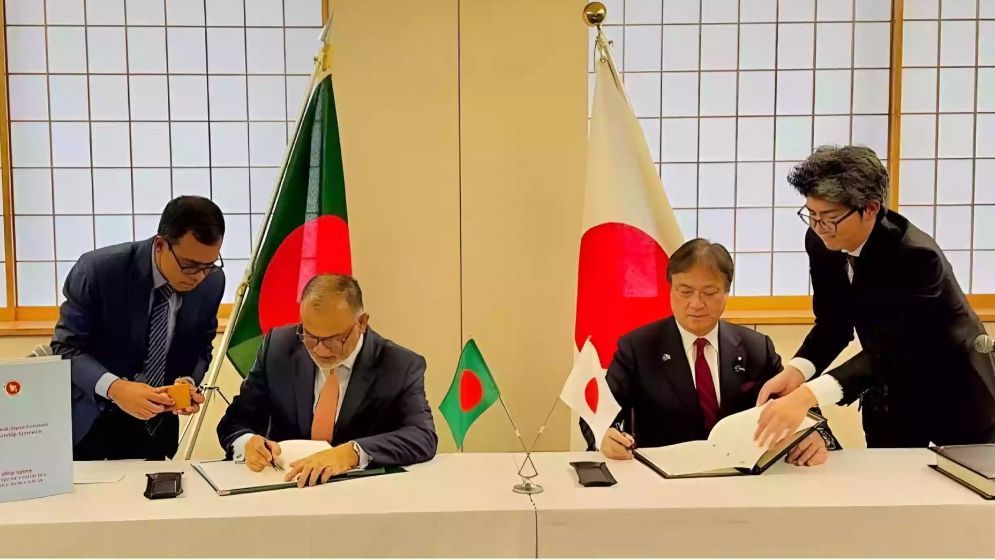
জাপানের সঙ্গে ঐতিহাসিক চুক্তি স্বাক্ষর করল বাংলাদেশ
১
নিউজ ডেস্ক : জাপানের সঙ্গে ঐতিহাসিক এক অর্থনৈতিক অংশীদারিত্ব...
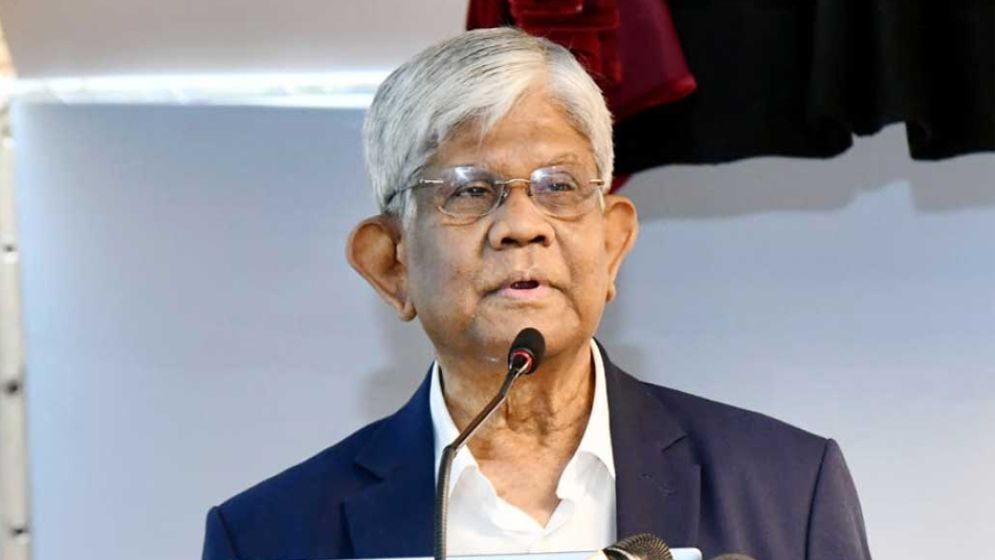
কূটনৈতিক পাসপোর্ট জমার বিষয়ে যা বললেন অর্থ উপদেষ্টা
২
নিউজ ডেস্ক : অন্তর্বর্তী সরকারের কয়েকজন উপদেষ্টার কূটনৈতিক প...
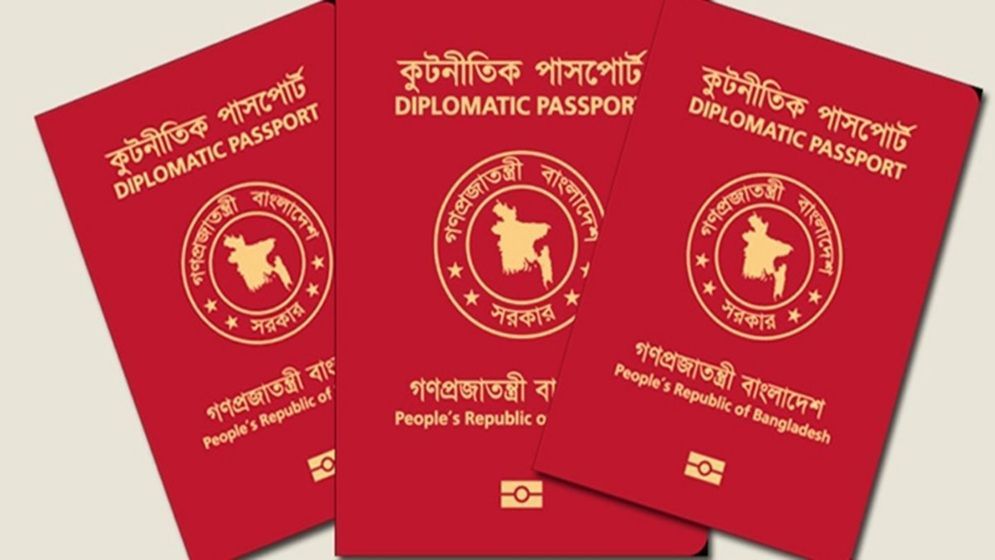
মেয়াদ শেষের আগেই কূটনৈতিক পাসপোর্ট ছাড়ছেন উপদেষ্টারা
৩
নিউজ ডেস্ক : অন্তর্বর্তী সরকারের মেয়াদ শেষ হয়ে আসায় উপদেষ্টা...
ভারতীয় কূটনীতিকদের পরিবার প্রত্যাহারের সংকেত বুঝতে পারছে ...
৪
নিউজ ডেস্ক : বাংলাদেশ থেকে ভারতীয় কূটনীতিক-কর্মকর্তাদের পরিব...
তৌহিদ হোসেন-ইসহাক দার ফোনালাপ
৫
নিউজ ডেস্ক : অন্তর্বর্তী সরকারের পররাষ্ট্র উপদেষ্টা মো. তৌহিদ হোসেনের সঙ...



মন্তব্য (০)