

- লিড নিউজ
- কূটনৈতিক সংবাদ
Experts Call for Comprehensive National Security Strategy and Multilateral Approach to Rohingya Repatriation
- Lead News
- কূটনৈতিক সংবাদ
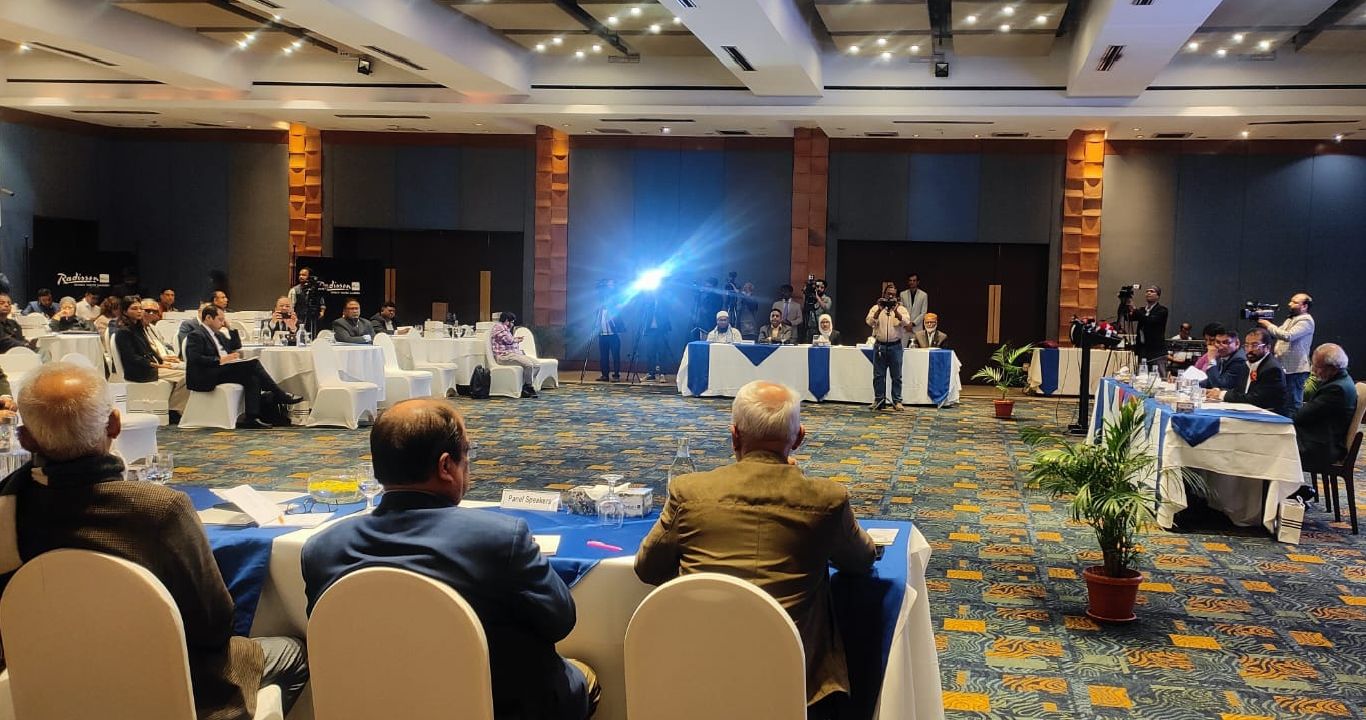
ছবিঃ সিএনআই
Diplomatic Correspondent: A high-level discussion on Bangladesh’s national security and the Rohingya repatriation crisis was held in Dhaka on 27 January 2026, organized by the International Institute of Global Studies (IIGS). Titled “National Security and Rohingya Repatriation: Expectations from the Post-Election Government,” the event brought together prominent academics, security experts, political leaders, and policymakers to assess emerging challenges and outline strategic priorities for Bangladesh.
The keynote address was delivered by Professor Imtiaz Ahmed, Executive Director of the Centre for Alternatives and Advisor to IIGS. In his speech, Professor Ahmed emphasized that national security should be understood beyond conventional military frameworks, encompassing political stability, economic resilience, social cohesion, and the protection of critical sectors such as food, energy, healthcare, and cybersecurity.
Highlighting Bangladesh’s complex security environment, Professor Ahmed noted that the country faces multidimensional challenges, including political uncertainty, climate-induced disasters, shifting regional and global geopolitics, and the protracted Rohingya refugee crisis. He stated that the presence of more than 1.1 million Rohingya refugees in Bangladesh has created significant humanitarian, economic, and national security pressures, making a long-term and coordinated response imperative.
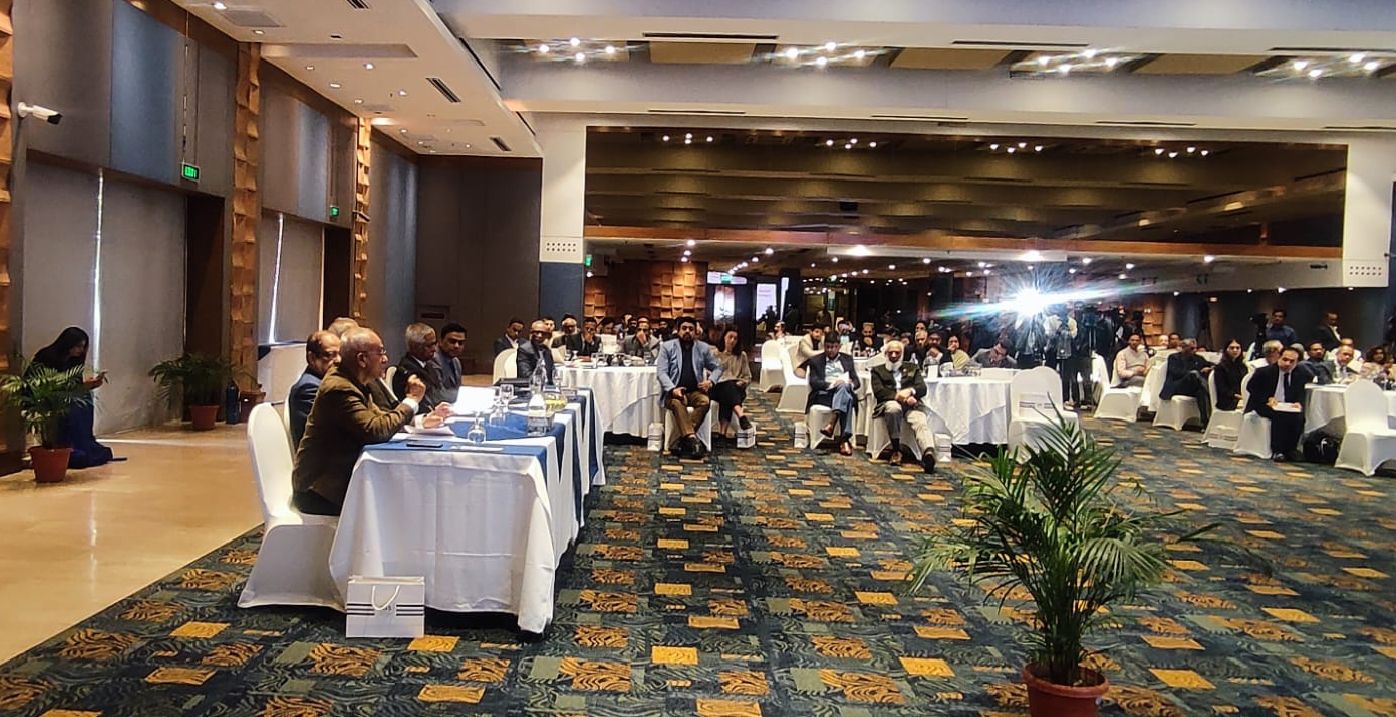
Professor Ahmed stressed that resolving the Rohingya crisis cannot be achieved through bilateral engagement between Bangladesh and Myanmar alone. He called for a robust multilateral strategy involving international organizations, regional powers, and global stakeholders to ensure accountability and sustainable solutions. He also advocated for targeted international sanctions and sustained diplomatic pressure on Myanmar to facilitate meaningful progress toward repatriation.
A key proposal presented during the discussion was the Rakhine Reconstruction Plan, which envisions large-scale international investment through public–private partnerships in agriculture, healthcare, education, energy, infrastructure, and industrial development in Myanmar’s Rakhine State. According to Professor Ahmed, rebuilding the region’s economy and infrastructure would help create conditions conducive to the safe, voluntary, and dignified return of Rohingya refugees while promoting long-term stability.
In his concluding remarks, Professor Ahmed underscored that the Rohingya crisis is not a short-term humanitarian issue but a long-standing regional challenge requiring sustained political commitment and coordinated state action. He urged the post-election government to formulate a cohesive national security strategy that integrates Rohingya repatriation with broader security and development goals. Among his recommendations were the establishment of a dedicated Rohingya Commission or special rapporteur within the government and the strengthening of security measures in Bangladesh’s southeastern border regions.
The keynote session was followed by a panel discussion featuring Lt Gen Md Aminul Karim (Retd), PhD, Distinguished Professor at the Bangladesh University of Professionals (BUP), and Dr Mohammad Tarikul Islam, Professor of Government and Politics at Jahangirnagar University. Lt Gen Karim emphasized the need for an integrated national security framework combining military and civilian efforts, while Dr Tarikul Islam highlighted the importance of political unity and cross-party consensus in addressing the Rohingya crisis.
Political leaders AKM Rafiqun Nabi of Jamaat-e-Islami Bangladesh and Md Mamunur Rashid Khan, Vice Chairman of the Bangladesh Jatiyotabadi Krishok Dal, stressed the necessity of a unified national approach to safeguard Bangladesh’s security while addressing humanitarian responsibilities. They called for greater political cooperation to ensure long-term stability.
The discussion also included contributions from Maj Gen Fazle Elahi Akbar (Retd), Chairman of the Foundation for Strategic and Development Studies (FSDS), Ambassador Mostafizur Rahman, and Mufti Shamsul Alam, Joint Secretary of Islami Oikya Jote and Secretary-General of the Bangladesh National Mufti Board Foundation. Speakers collectively emphasized the need for coordinated national and international action, interfaith dialogue, and strategic diplomacy to resolve the crisis.
Concluding the event, participants agreed that fragmented or short-term measures would be insufficient to address the Rohingya crisis. They underscored the critical role of the post-election government in leading a comprehensive, multidimensional, and long-term national security strategy in collaboration with international partners to ensure Bangladesh’s stability, security, and sustainable future.
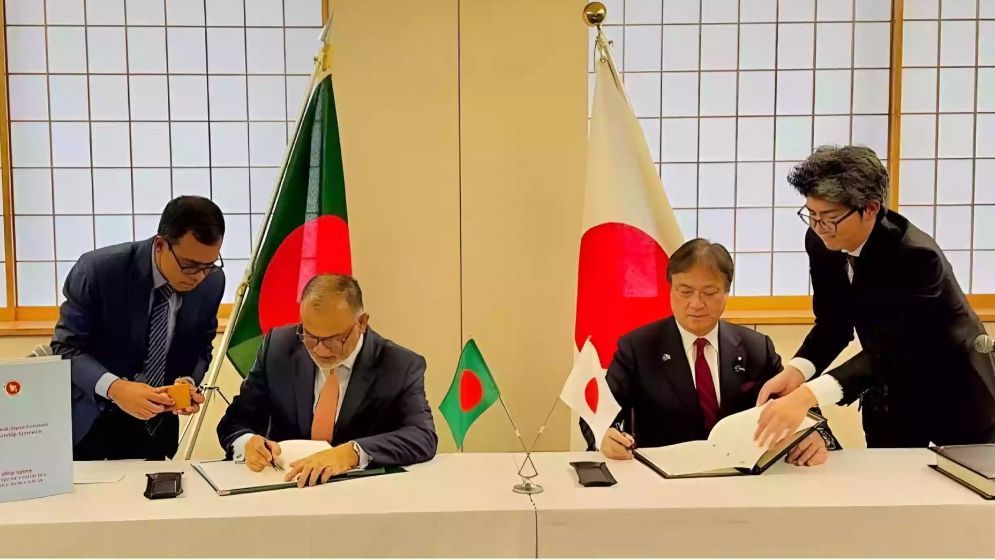
জাপানের সঙ্গে ঐতিহাসিক চুক্তি স্বাক্ষর করল বাংলাদেশ
১
নিউজ ডেস্ক : জাপানের সঙ্গে ঐতিহাসিক এক অর্থনৈতিক অংশীদারিত্ব...
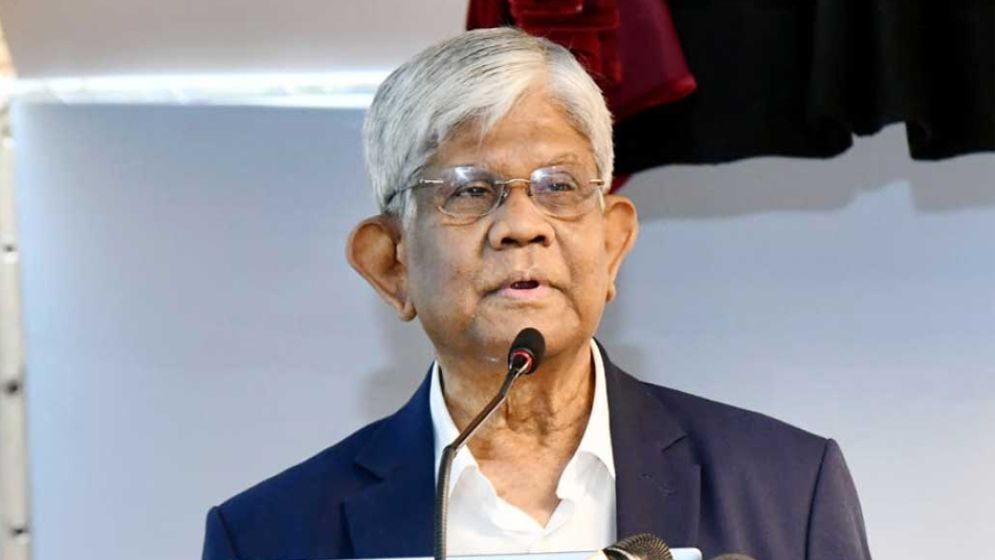
কূটনৈতিক পাসপোর্ট জমার বিষয়ে যা বললেন অর্থ উপদেষ্টা
২
নিউজ ডেস্ক : অন্তর্বর্তী সরকারের কয়েকজন উপদেষ্টার কূটনৈতিক প...
মেয়াদ শেষের আগেই কূটনৈতিক পাসপোর্ট ছাড়ছেন উপদেষ্টারা
৩
নিউজ ডেস্ক : অন্তর্বর্তী সরকারের মেয়াদ শেষ হয়ে আসায় উপদেষ্টা...
ভারতীয় কূটনীতিকদের পরিবার প্রত্যাহারের সংকেত বুঝতে পারছে ...
৪
নিউজ ডেস্ক : বাংলাদেশ থেকে ভারতীয় কূটনীতিক-কর্মকর্তাদের পরিব...
তৌহিদ হোসেন-ইসহাক দার ফোনালাপ
৫
নিউজ ডেস্ক : অন্তর্বর্তী সরকারের পররাষ্ট্র উপদেষ্টা মো. তৌহিদ হোসেনের সঙ...



মন্তব্য (০)