- Lead News
- Diplomatic News
Morocco Eyes Transforming Sahara into Major Hub of Economic Growth
- লিড নিউজ
- Diplomatic News
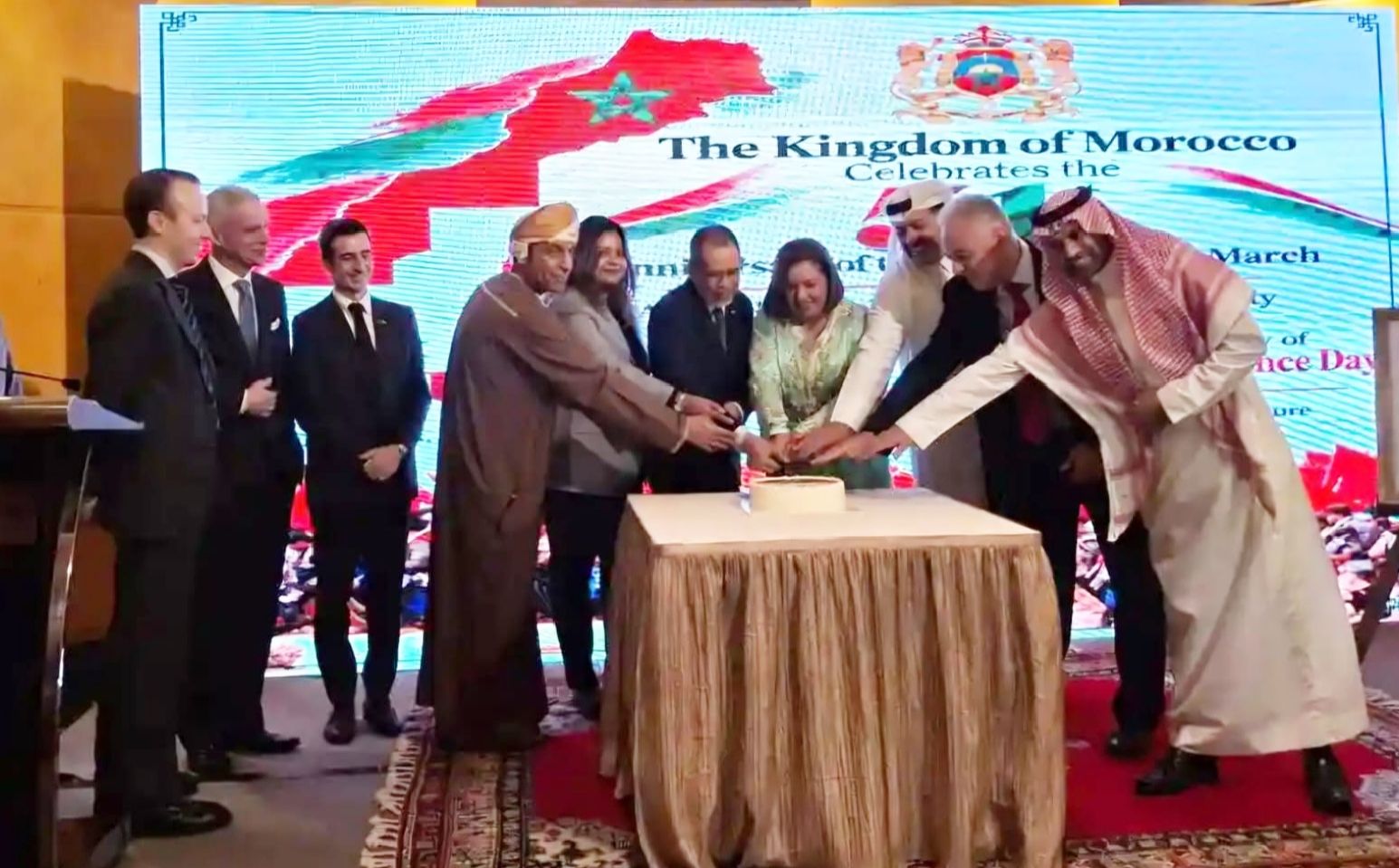
Photo: Collected
Diplomatic Correspondent: Morocco is pursuing an ambitious development strategy to transform its Sahara region into a major hub of economic growth, trade and investment, backed by more than US$8 billion in infrastructure and development projects under the leadership of King Mohammed VI.
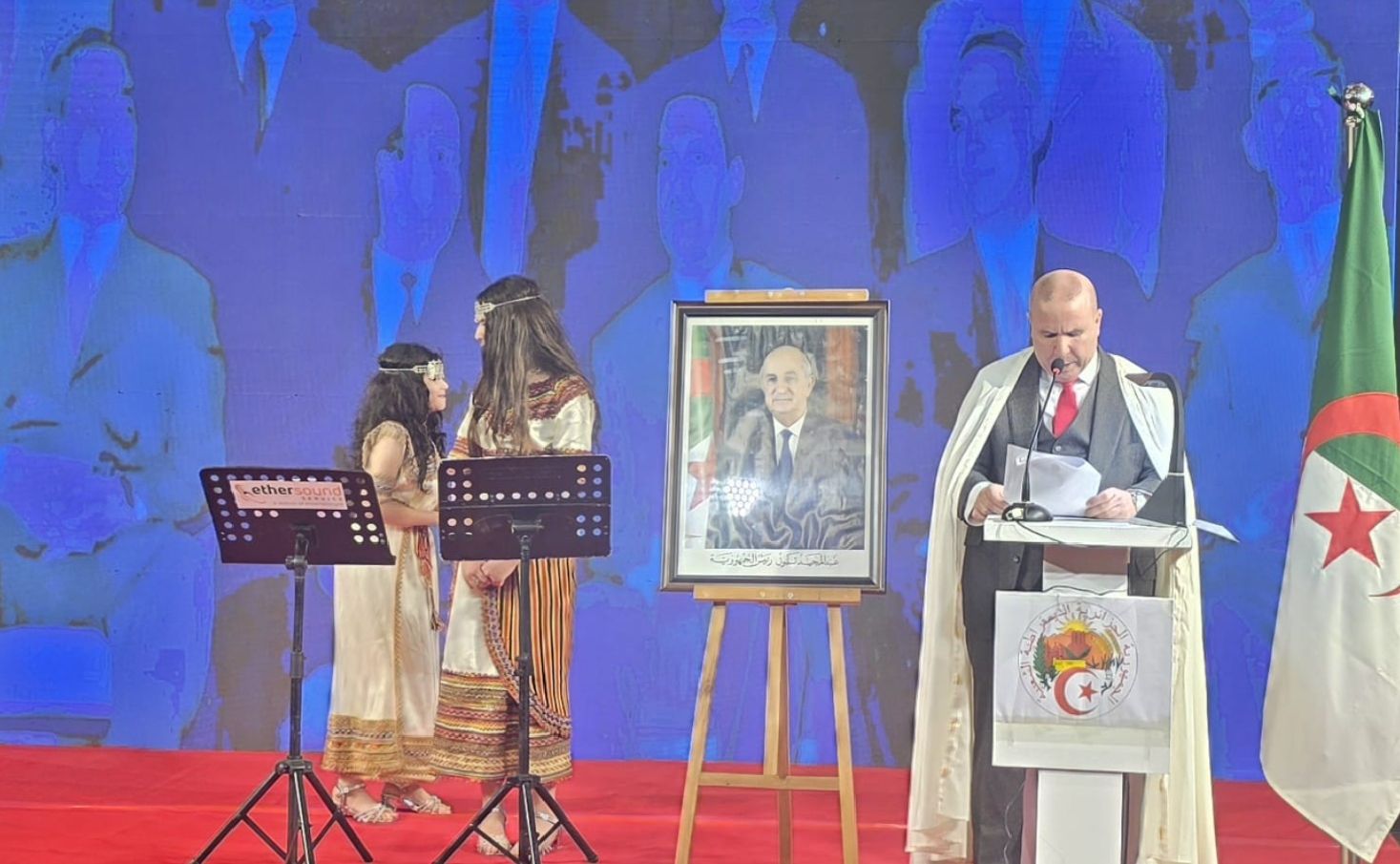
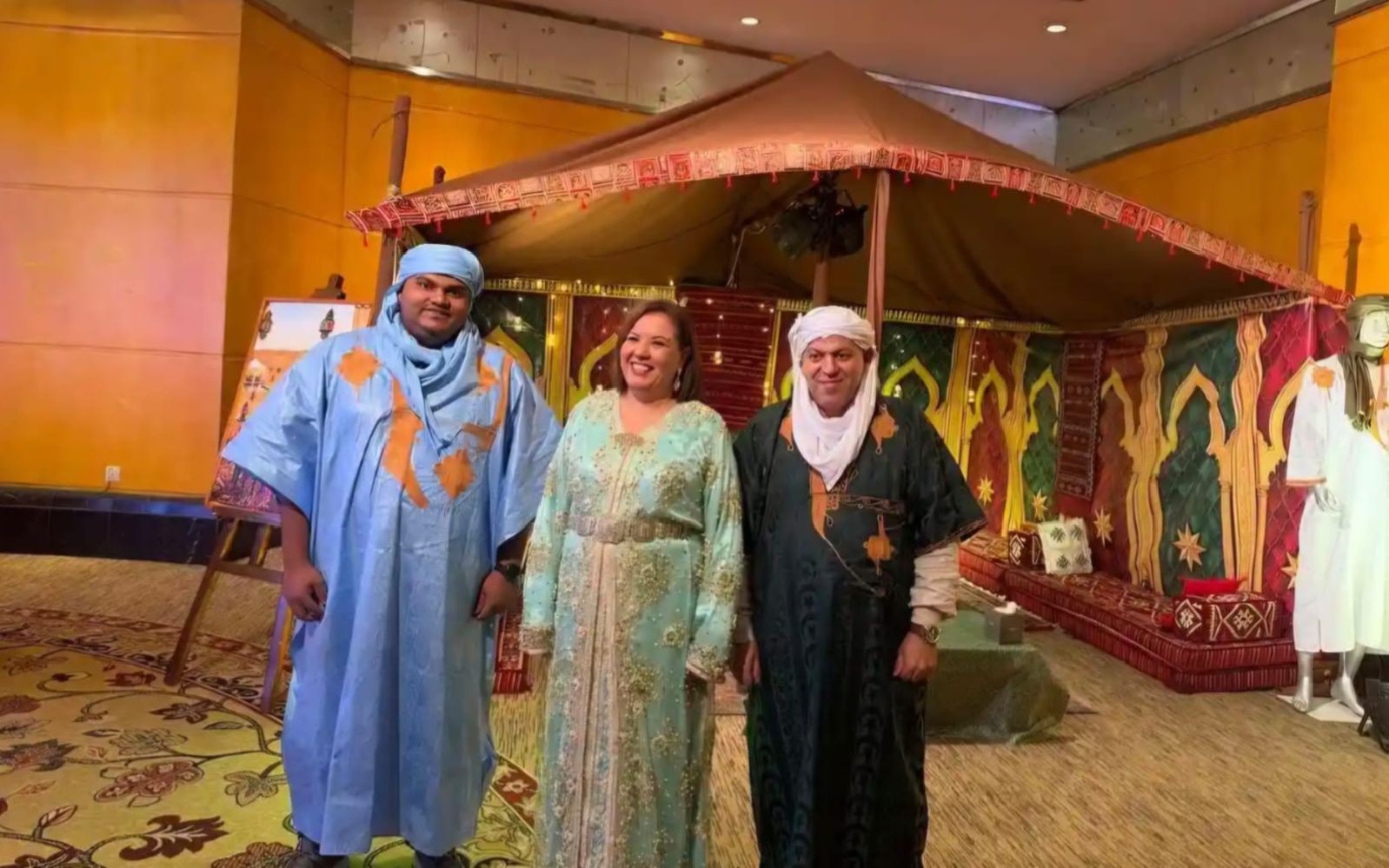
Morocco’s Ambassador to Bangladesh, Lalla Bouthaina El Kerdoudi El Koulali, highlighted the country's development initiatives while addressing a reception marking the 51st anniversary of the Glorious Green March in Dhaka.
 The ambassador said Morocco launched its New Development Model for the Sahara region in 2015–2016, with an investment of approximately US$8 billion (77 billion Moroccan dirhams), aimed at accelerating economic development and strengthening the region's strategic position as a gateway connecting West Africa, the Sahel, Europe and the Americas.
She identified four major pillars underpinning the development strategy: infrastructure and strategic trade, human development, political participation and cultural preservation.
Under the infrastructure development programme, major projects include the Tiznit–Laâyoune–Dakhla expressway, the Dakhla Atlantic Mega Port, renewable energy installations and desalination facilities. These initiatives are expected to strengthen regional connectivity, facilitate international trade and attract investment.
Highlighting progress in human development, the ambassador said substantial investments have also been made in university hospitals, higher education and essential public services to improve living standards and expand opportunities, particularly for young people and women.
She also underscored the importance of political participation, noting that Sahrawi citizens are actively involved in local governance through democratic institutions. According to her remarks, voter turnout in the September election reached 77 per cent, compared with the national average of 38 per cent.
Alongside economic modernisation, Morocco remains committed to preserving the region's cultural heritage, she said, highlighting the importance of Hassani culture, including its language, poetry, music and traditional customs.
The reception also commemorated three significant milestones in Morocco's history: the first anniversary of Unity Day, the 51st anniversary of the Glorious Green March and the 71st anniversary of Morocco's Independence.
Recalling the historic Green March of November 6, 1975, the ambassador said that 350,000 Moroccan citizens participated in the peaceful march under the leadership of the late King Hassan II. She described the event as a defining moment of national solidarity and a symbol of Morocco's determination to safeguard its territorial integrity.
The ambassador also referred to recent diplomatic developments concerning the Sahara issue, welcoming growing international support for Morocco's Autonomy Initiative and expressing hope for a peaceful and mutually acceptable political solution.
She further expressed gratitude to Bangladesh for its constructive position on Morocco's territorial integrity and acknowledged the longstanding friendship and partnership between the two countries.
The ambassador concluded by emphasising that Morocco's commemorations were not merely an occasion to reflect on its historical achievements but also an opportunity to reaffirm its commitment to economic development, social progress, national unity and a prosperous future for its people.
Pakistan High Commissioner Hosts Reception in Honour of ...
1
Diplomatic Correspondent: Pakistan High Commissioner to Bang...
Pakistan’s Deputy Prime Minister Welcomes 35-Member Bangl...
2
Diplomatic Correspondent: Pakistan’s Deputy Prime Mini...
Aviation Minister to Lead Bangladesh Delegation at ICAO C...
3
World's 500 Most Influential Muslims List Released, Five ...
4
Representatives of Russia and Bangladesh Sign Protocol o...
5
Diplomatic Correspondent: The Russia-Bangladesh Intergovernm...



Comment (0)