
- Lead News
- Diplomatic News
Algeria’s 1954 Revolution: A Turning Point in Global Decolonization, Says Dhaka Conference
- লিড নিউজ
- Diplomatic News
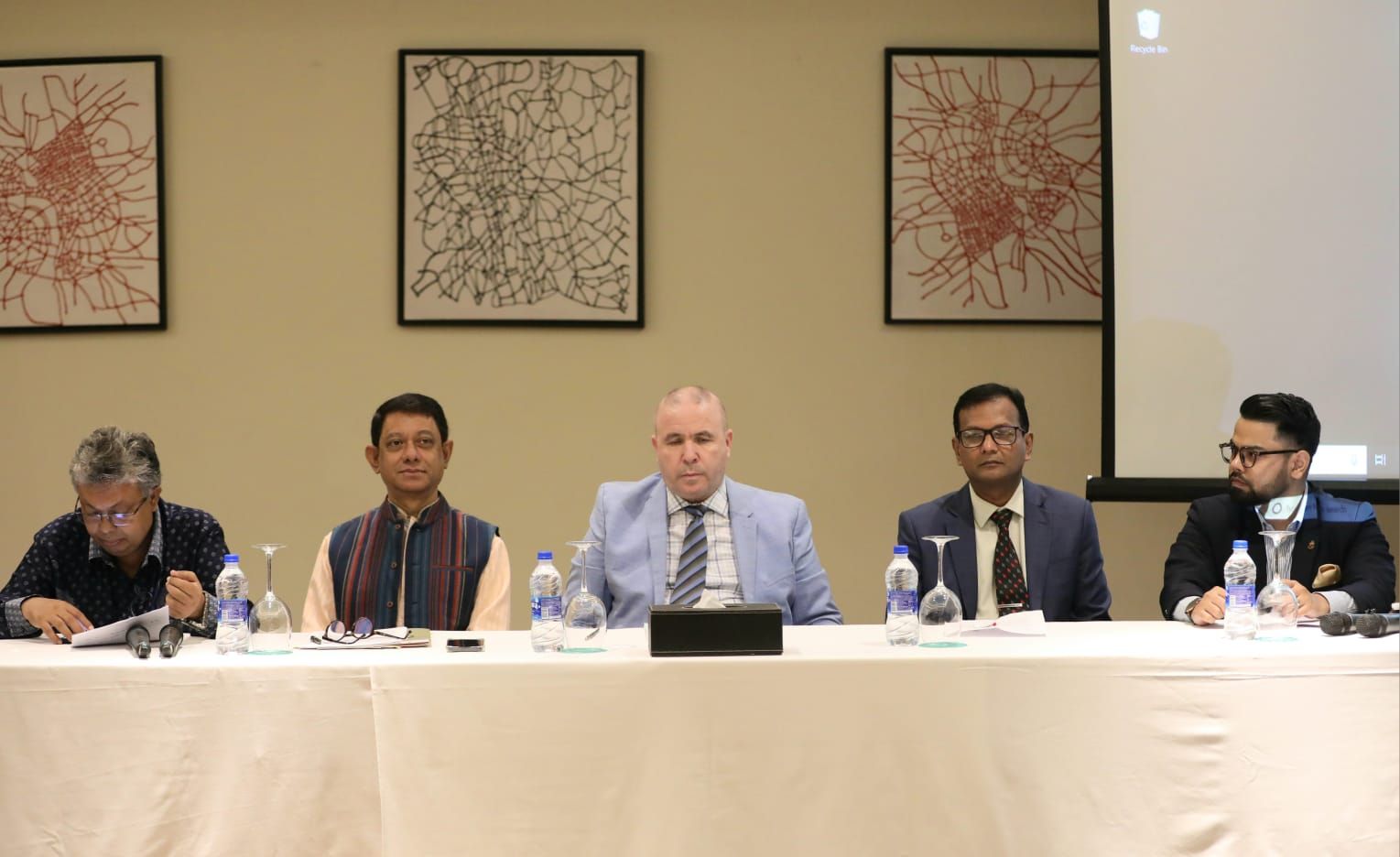
Photo: CNI
Diplomatic Correspondent: Algerian Revolution’s Global Impact on Decolonization and International Relations Highlighted at Dhaka Conference
Algerian Ambassador calls for upholding sovereignty, self-determination and human dignity; Bangladeshi academic highlights revolution’s role in reshaping world politics
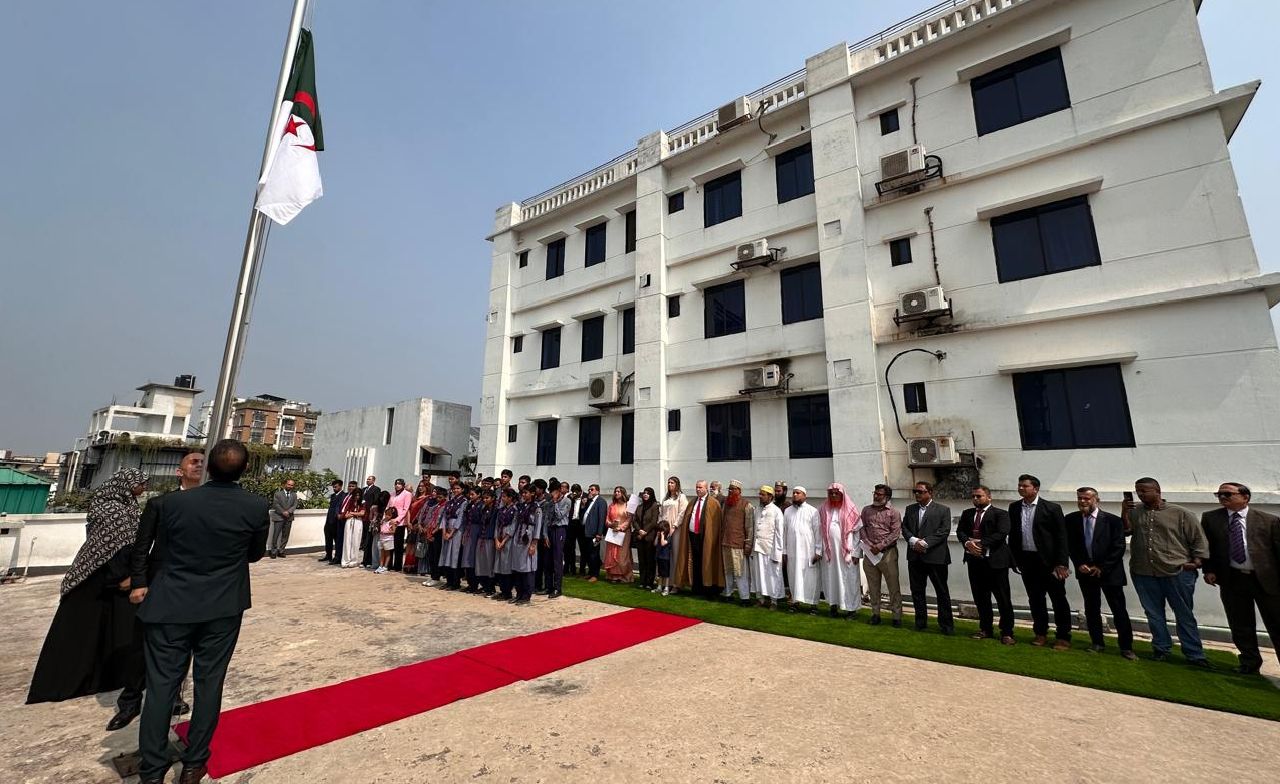
DHAKA, October 31, 2026: The 72nd anniversary of the outbreak of the Glorious Algerian Revolution was commemorated in Dhaka on Saturday through a conference highlighting the historic revolution’s profound impact on international relations, decolonization and global politics.
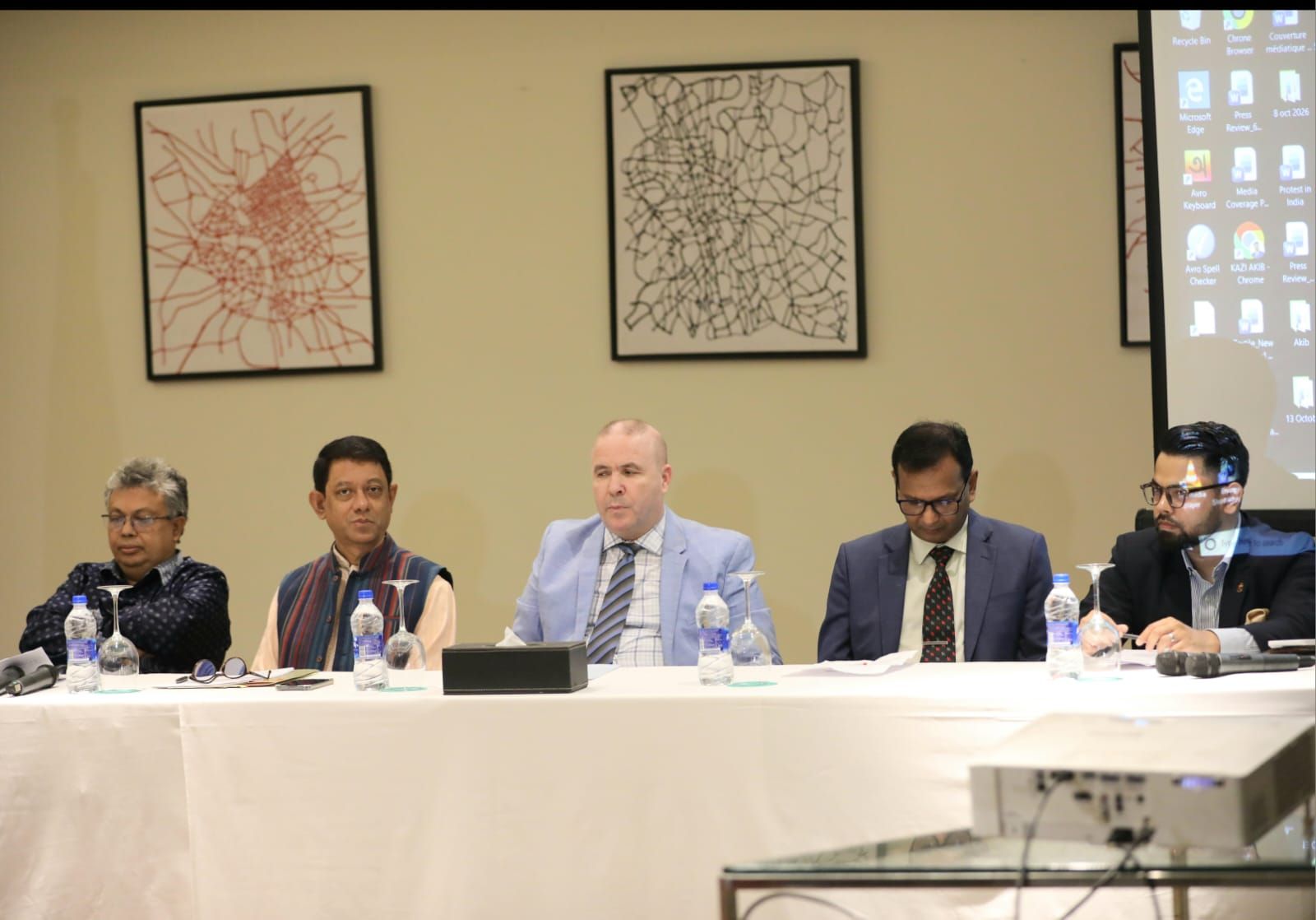 The conference, titled “The Algerian Revolution of November 1, 1954 and Its Impact on International Relations,” was held at Le Méridien Dhaka, organized on the eve of the anniversary of Algeria’s historic liberation struggle against French colonial rule.
H.E. Dr. Abdelouahab Saidani, Ambassador of Algeria to Bangladesh, addressed the gathering, emphasizing that the Algerian Revolution was not merely a national struggle for independence but also a landmark event that transformed international diplomacy, strengthened the principle of self-determination and inspired liberation movements across the world.
In his address, the Ambassador recalled the immense sacrifices and courage of the Algerian people during their struggle against 132 years of French colonial domination, which ultimately led to independence in July 1962.
He said the revolution exposed the contradictions between the international community’s declared commitment to universal human rights and the denial of freedom, dignity and political rights to colonized populations.
Highlighting the revolution's international significance, Dr. Saidani discussed its contribution to the global decolonization movement, the development of the right to self-determination, international human rights debates and the evolution of humanitarian law.
He also recalled how the Algerian liberation struggle became a source of inspiration for anti-colonial and civil rights movements across Africa, Asia and Latin America. Algeria subsequently emerged as an important centre of international solidarity and support for liberation movements, earning the historic reputation of the “Mecca of Revolutionaries.”
The Ambassador further highlighted the influence of the Algerian War on French domestic politics, particularly the crisis that contributed to the collapse of the Fourth Republic in 1958 and the establishment of the Fifth Republic under Charles de Gaulle.
Discussing the humanitarian consequences of colonialism, he referred to the writings of intellectuals such as Jean-Paul Sartre and Frantz Fanon, whose works brought international attention to colonial oppression, torture, psychological trauma and the struggle for human dignity.
He also underscored the importance of the United Nations' Declaration on the Granting of Independence to Colonial Countries and Peoples, adopted through General Assembly Resolution 1514 in 1960, as a major milestone in the international recognition of the right to self-determination.
Referring to the historical connection between Algeria and Bangladesh, Ambassador Saidani said the values of sacrifice, dignity and national self-determination carried deep significance for the Bangladeshi people as well.
He called for strengthening friendship between the two nations and reaffirmed the importance of sovereignty, peaceful dispute resolution, social justice and solidarity among countries of the Global South.
“Long live Algeria. Long live Bangladesh. Long live the friendship between our peoples,” the Ambassador concluded.
Keynote address highlights transformation of world politics
In the keynote address, Dr. S. M. Shameem Reza, Professor of the Department of Mass Communication and Journalism, examined the Algerian Revolution as a defining event in the transformation of international relations and the emergence of a postcolonial world order.
In his paper titled “The Algerian Revolution of 1954: Its Impact on International Relations and World Politics,” Professor Reza argued that the revolution was much more than a national war of independence. It represented a broader struggle over the legitimacy and structure of the international system during the transition from European colonialism to a world of sovereign nations.
He explained that the revolution, launched by the National Liberation Front (FLN) on November 1, 1954, challenged the legitimacy of European colonial rule, strengthened Afro-Asian solidarity and contributed to international debates on sovereignty and self-determination.
According to the keynote speaker, the FLN successfully transformed the Algerian struggle from what France sought to portray as an internal security issue into an international diplomatic concern through international organizations, diplomatic networks, political alliances and global communication.
Professor Reza also discussed the impact of the revolution on France's relations with the United States, NATO and the United Nations, as well as its influence on the wider anti-colonial movement.
He highlighted the importance of the Évian Accords of March 1962, which paved the way for Algeria's independence in July of that year.
The keynote address further emphasized the role of Afro-Asian solidarity in strengthening the Algerian cause, particularly in the context of the Bandung Conference of 1955 and the growing political voice of newly independent nations.
Professor Reza observed that the Algerian Revolution demonstrated how armed resistance, diplomatic mobilization, international solidarity and political pressure could collectively reshape international relations.
He stressed that its historical significance continues to be relevant to contemporary discussions on postcolonial sovereignty, international justice, national liberation and the political rights of peoples.
A lasting legacy of international solidarity
The conference provided an opportunity for diplomats, academics, researchers and distinguished guests to reflect on the historical significance of the Algerian Revolution and its continuing relevance to contemporary international affairs.
The discussions also highlighted the shared historical values of Bangladesh and Algeria, particularly their commitment to independence, sovereignty, dignity and solidarity among nations.
As the two countries continue to strengthen their friendly relations, the legacy of the Algerian Revolution remains an enduring reminder that the struggle for freedom and human dignity transcends national boundaries.
Lalon Sandhya 2026 Celebrates Fakir Lalon Shah’s Timeless...
1
Diplomatic Correspondent: The Indira Gandhi Cultural Centre ...
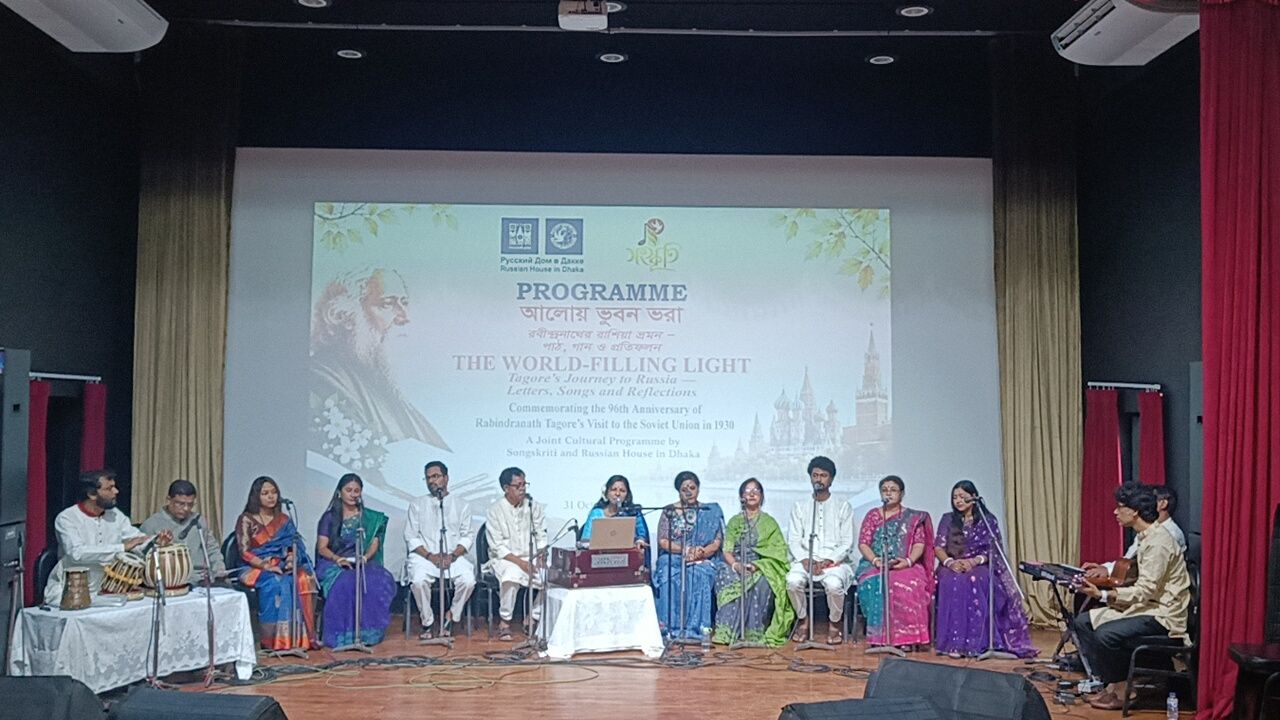
The World-Filling Light: Celebrating Tagore’s Journey to ...
2
Diplomatic Correspondent: The Russian House in Dhaka, in col...
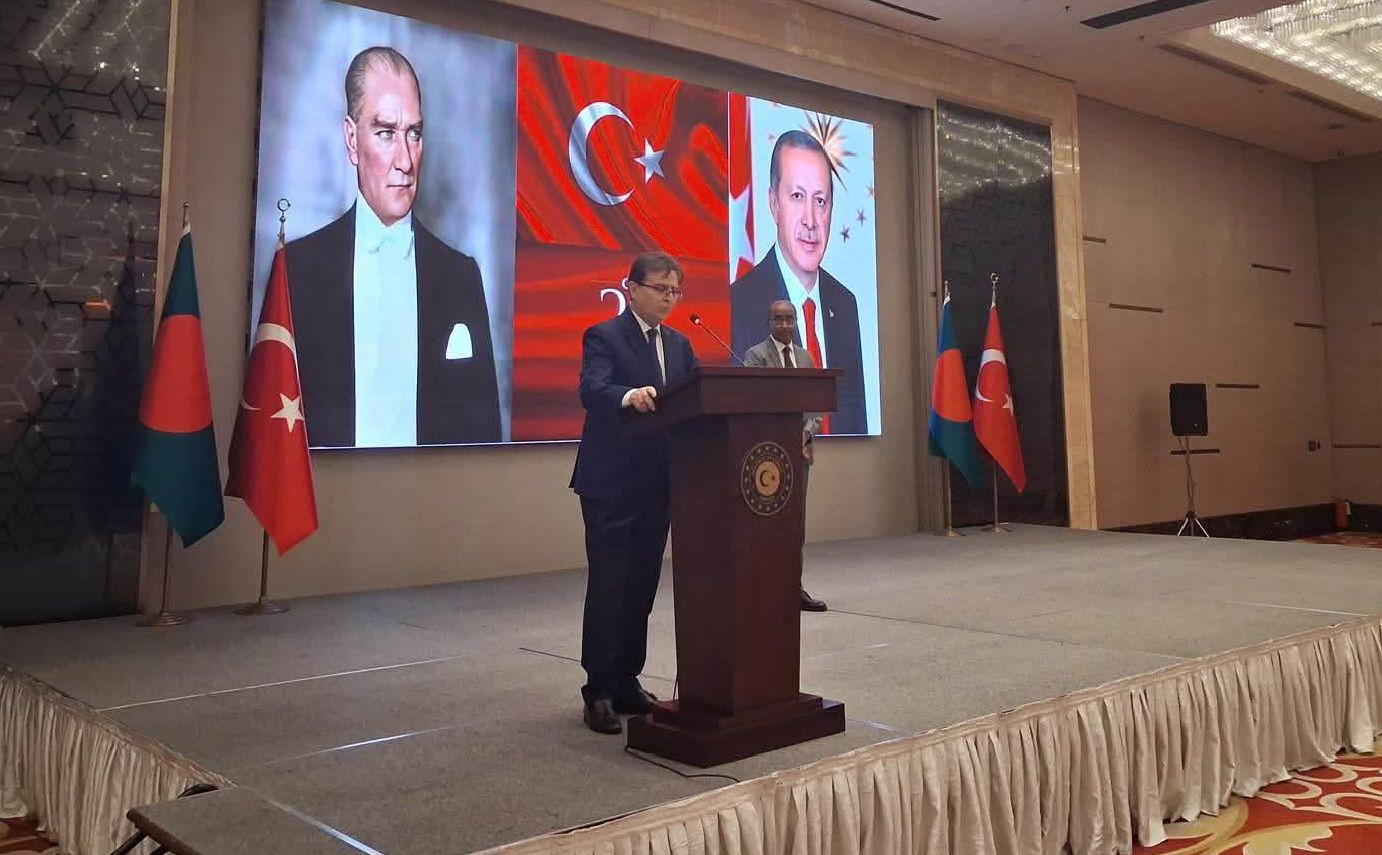
Bangladesh–Türkiye Relations Set for Further Expansion a...
3
Diplomatic Correspondent: Bangladesh and Türkiye have r...
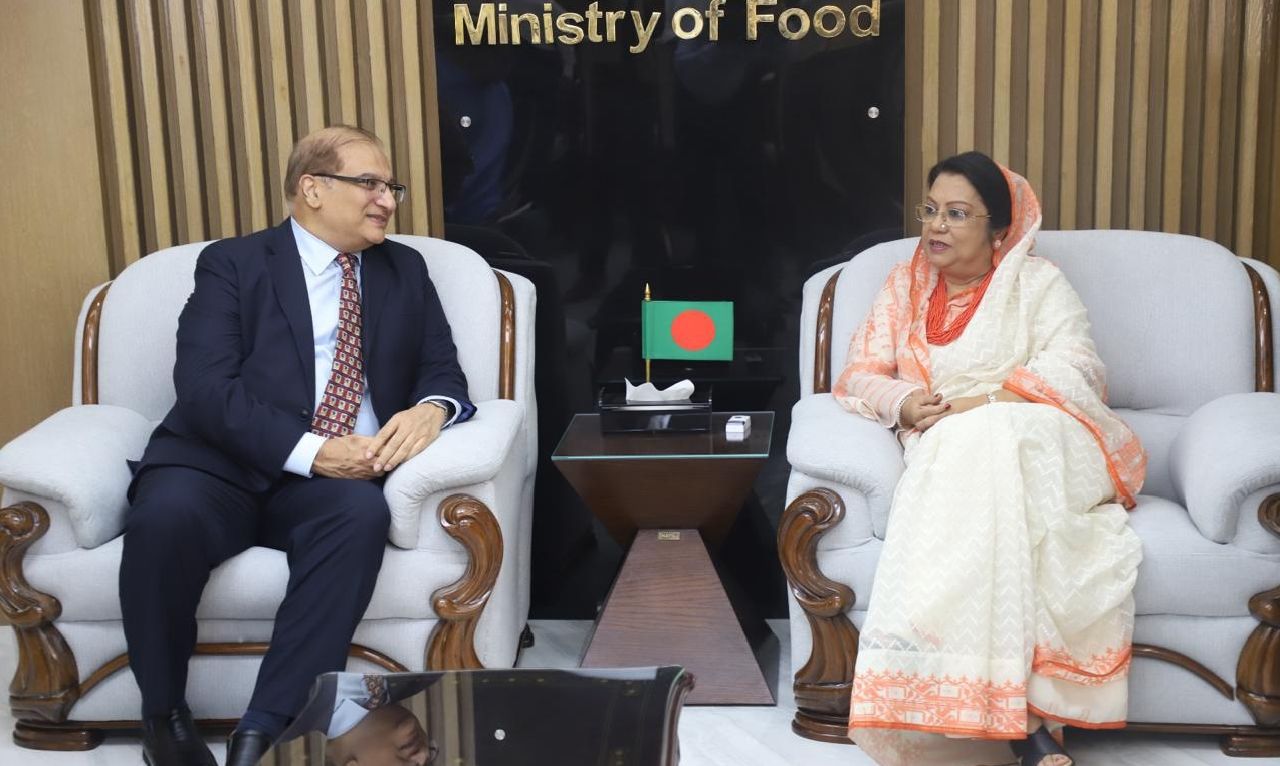
Pakistan High Commissioner Meets Bangladesh Food Ministe...
4
Diplomatic Correspondent: Pakistan’s High Commissioner...
Pakistan High Commissioner Meets Bangladesh Opposition Le...
5
Diplomatic Correspondent: Pakistan High Commissioner to Bang...



মন্তব্য (0)