

- লিড নিউজ
- অর্থনীতি
Bangladesh Aims to Become a Trillion-Dollar Economy by 2034
- Lead News
- অর্থনীতি
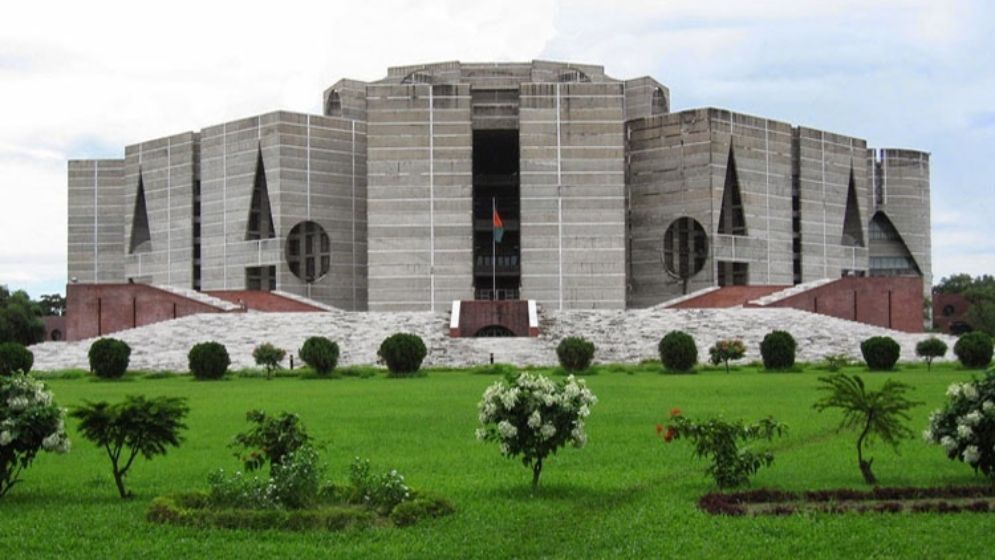
ছবিঃ সংগৃহীত
News Desk: The new government led by BNP Chairperson Tarique Rahman is planning to introduce several surprises in the upcoming 2026–27 fiscal budget. The primary goal of the budget is to restore confidence in the economy by reducing corruption. Multiple new strategies will be introduced to improve tax collection, and all citizens will be brought under the banking system.
Dr. Rashed Al Mahmud Titumir, the Prime Minister’s Adviser on Finance and Planning, stated that efforts are underway to transform Bangladesh into a trillion-dollar economy by 2034.
After assuming office in February this year, the government has had three months to prepare the new budget. However, it inherited significant economic challenges—revenue collection is far below targets, rising fuel costs due to conflicts in the Middle East are increasing subsidies for electricity, and prices of essential commodities remain high. Despite speculation that the budget size might shrink, the opposite is expected.
The new government may present a budget of Tk 9 trillion, which is about 14% higher than the previous one. Of this, Tk 6.5 trillion will need to be collected by the revenue authority. The GDP growth target is set at 6.5%, while inflation is expected to be reduced to 7%. Around Tk 3 trillion may be allocated for development projects, even amid financial constraints. Approximately 67% of the budget expenditure could go toward operational costs.
The adviser emphasized that the first priority is to keep the economy running while ensuring poverty does not increase through social protection measures. He added that past BNP governments achieved around 2 percentage points of growth, which they aim to replicate, making the trillion-dollar economy target achievable by 2034.
The new revenue targets are also influenced by conditions set by the International Monetary Fund (IMF). As part of this, tax exemptions and incentives may be reduced to near zero. A wealth tax could replace the surcharge, income tax returns of property owners will be scrutinized, and the SME sector may come under VAT. Many transactions will require mandatory use of bank accounts.
The adviser further mentioned plans to introduce “One Citizen, One Card” and “One Digital Outlet.” The first step will be to ensure every citizen has a bank account, followed by QR code-based transactions, which would significantly reduce tax evasion, avoidance, and fraud.
The budget will also prioritize election promises. The BNP manifesto included a financial-social contract where citizens pay taxes in exchange for services. Initiatives like farmer cards, family cards, and health cards are being emphasized, which may require an additional Tk 1 trillion to implement.
Dr. Khandaker Golam Moazzem, Research Director at CPD, warned that increased government borrowing could reduce loan availability for the private sector, creating a crowding-out effect. Without increased foreign fund inflows into the banking or capital markets, boosting investment and employment may become difficult.
The new budget is likely to be announced in the National Parliament on June 11. Amid ongoing economic challenges, this budget presents the new government with a significant opportunity to make a strong impact. However, setting clear priorities will be crucial to delivering on its political promises.
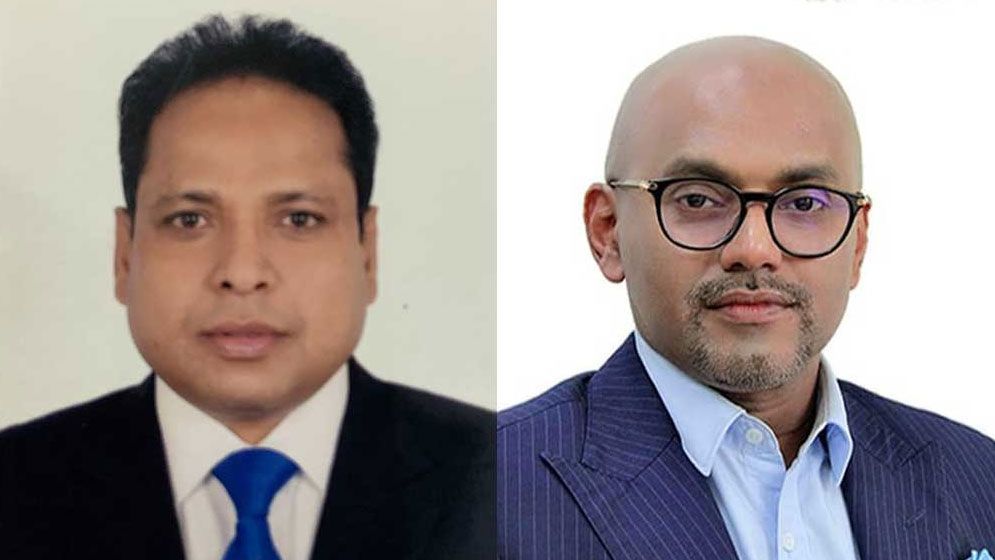
বাংলাদেশ ব্যাংকের পরিচালক হলেন নজরুল ইসলাম
১
নিজস্ব প্রতিবেদকঃ বাংলাদেশ ব্যাংকের অতিরিক্ত পরিচালক (অ্যাডিশনাল ডিরেক্টর) থে...
মৌজা রেটে দিতে হবে সম্পদ কর
২
নিউজ ডেস্ক : ২০২৬-২৭ অর্থবছরে ব্যক্তিশ্রেণির করদাতাদের জন্য ...

এপ্রিলে প্রবাসীরা দেশে পাঠিয়েছেন ৩১২ কোটি ৭০ লাখ ডলার
৩
নিউজ ডেস্ক : সদ্যবিদায়ী এপ্রিল মাসেও রেমিট্যান্স প্রবাহের ইতিবাচক ধারা অ...

স্বর্ণের দামে বড় ধস
৪
নিউজ ডেস্ক : বিশ্ববাজারে স্বর্ণের দামে উল্লেখযোগ্য পতন দেখা ...
এপ্রিলের ২৯ দিনে ৩ বিলিয়ন ডলার ছাড়াল প্রবাসী আয়
৫
নিউজ ডেস্ক : চলতি এপ্রিলে দেশে তিন বিলিয়ন বা ৩০০ কোটি ডলারের...



মন্তব্য (০)