




- লিড নিউজ
- অর্থনীতি
Interim Government Keeps Country’s Economy in a ‘Satisfactory’ Condition: Dr. Salehuddin
- Lead News
- অর্থনীতি
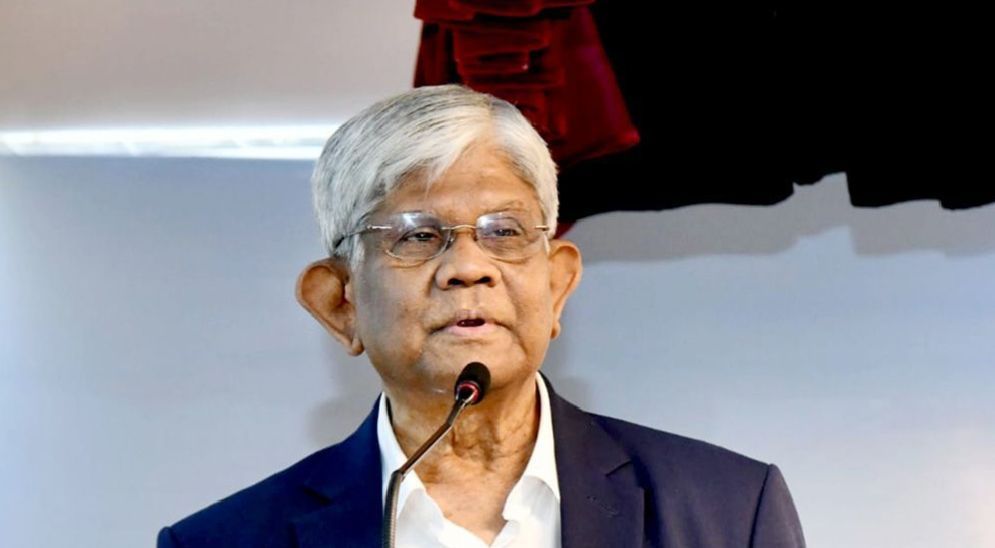
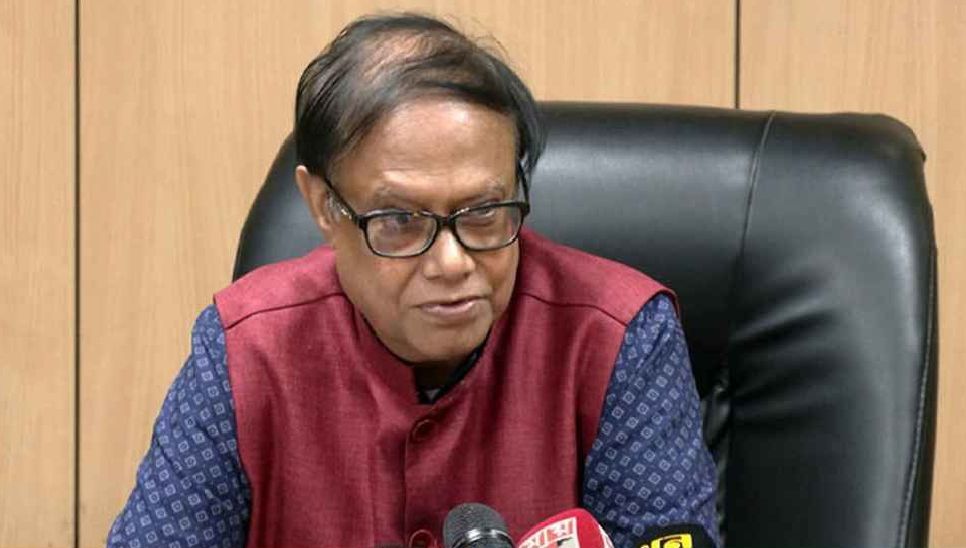
ফাইল ছবি
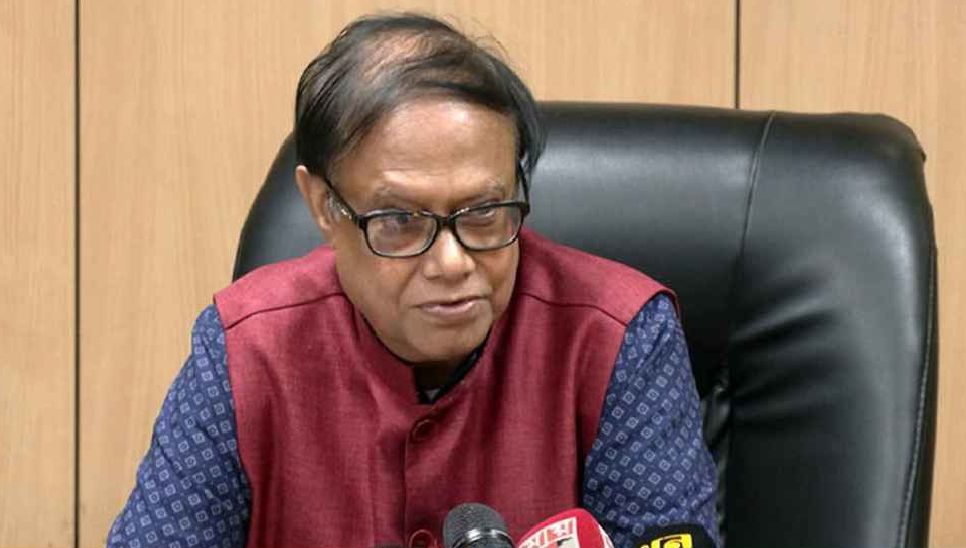
News Desk: Economic Adviser Dr. Salehuddin Ahmed has stated that the interim government is leaving the country’s economy in a “satisfactory and stable” condition for the next elected government. He added, “I believe we are leaving the economy in a satisfactory state. The next government will not face a major economic crisis upon taking office. The situation is stable now, not shaky as before.” However, he also noted that many challenges remain ahead.
Dr. Salehuddin made these remarks on Tuesday while answering journalists’ questions after a meeting of the Advisory Council Committee on Government Procurement in the conference room of the Cabinet Division at the Secretariat.
He said the economy is no longer fragile or unstable as it used to be. A stable economic foundation has been established for the future government.
Responding to questions about whether the government has taken record amounts of loans, the economic adviser acknowledged that borrowing has increased but noted that a significant portion of foreign debt has also been repaid.
He said, “Yes, borrowing has increased, but we have repaid nearly six billion US dollars of foreign debt. Debt repayment is equally important.”
He also mentioned that many large and expensive infrastructure projects have been avoided. “We did not pursue tunnels or costly mega projects dependent on massive loans. That’s why the pressure of government debt has not increased further,” he explained.
Dr. Salehuddin admitted that job creation was one of the government’s biggest challenges because sustainable support for small and medium enterprises (SMEs) is essential to generate employment. “Our major challenge was creating employment. For this, small and medium initiatives are indispensable. But we did not have sufficient financial resources. Large factories are not labor-intensive and involve many complexities,” he added.
Addressing concerns over seemingly contradictory statements about economic risks, he clarified that even though the economy is stable, reforms need to be implemented carefully and systematically. He emphasized, “Reforms require time, cooperation, and procedural discipline, which is quite challenging in Bangladesh’s complex administrative system.”
“Reform is not just a matter of speeches. It requires process, collaboration, and patience. The internal systems are highly complex, and without cooperation, it becomes extremely difficult,” he added.
Highlighting specific reforms, Dr. Salehuddin said the government has made significant progress in digitizing land records and maps, making these services more affordable and accessible to citizens. “Land documents and records are being digitized. Now people can access services for 20 Taka, which used to cost 500 Taka. We are expanding digital access across the country,” he said. He described this initiative as a fundamental service reform that will reduce harassment and increase transparency.
Dr. Salehuddin also mentioned that the government is preparing to face international arbitration concerning financial disputes and money laundering allegations against businesses associated with the S. Alam Group. “After the relevant party filed a complaint, a case was brought before the International Centre for Settlement of Investment Disputes (ICSID), associated with the World Bank. We have received notice and must respond. This involves a large amount of money,” he said.
He added that the government has decided to appoint international lawyers to handle the case. “We will appoint a law firm. This is not an ordinary matter; legal preparation is essential. A government team will visit Washington D.C. to manage the arbitration process,” he noted.
Regarding reforms in the power sector, the economic adviser stated that electricity tariffs are not being increased arbitrarily but rationalized. “This is tariff restructuring, not a price hike. Funds are being coordinated from one sector to another. It will not affect electricity supply,” he said.
He also mentioned that efficiency issues in power plants, including Ashuganj, are under review.
Dr. Salehuddin concluded by saying that despite criticism, many fundamental reforms have been implemented, although they may not always be visible. “People say nothing has been done because they only look for visible projects. But many core procedural reforms have been completed. If someone does not want to see them, they won’t,” he said.
নির্বাচিত সরকার ‘সিরিয়াস হলে’ পাচারকৃত অর্থ ফেরত আনা সম্...
১
নিউজ ডেস্কঃ ব্যাংক খাতে খানিকটা আস্থা ফিরেছে জানিয়ে অর্থ উপদ...
বিশ্ব বাজারে স্বর্ণের দামে উত্থান
২
নিউজ ডেস্ক : বিশ্ব বাজারে আবারও স্বর্ণের দাম বেড়েছ...
বিশ্ব বাজারে স্বর্ণের দামে উত্থান
৩
নিউজ ডেস্ক : বিশ্ব বাজারে আবারও স্বর্ণের দাম বেড়েছে। সোমবার ...
কর আদায় না বাড়িয়ে পে-স্কেল বাস্তবায়নে মূল্যস্ফীতি বাড়বে: ...
৪
নিউজ ডেস্কঃ কর আদায় না বাড়িয়ে নতুন পে-স্কেল বাস্তব...
সুদহার অপরিবর্তিত রেখে নতুন মুদ্রানীতি
৫
নিউজ ডেস্ক : মূল্যস্ফীতি নিয়ন্ত্রণের কৌশল মাথায় রেখে আগের ধা...



মন্তব্য (০)