

- Lead News
- Financial
Bangladesh Delegation Led by Finance Minister Visits South Korea to Strengthen Economic Partnership
- লিড নিউজ
- Financial
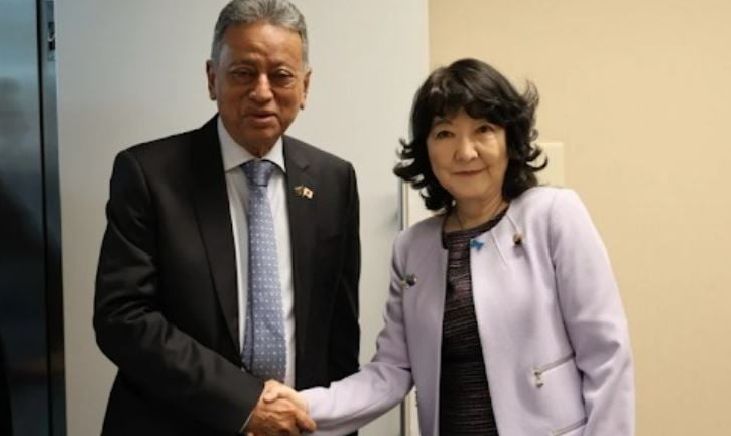
Photo: Collected
A Bangladeshi delegation, led by Finance Minister Amir Khasru Mahmud Chowdhury, is currently visiting South Korea with the aim of strengthening bilateral relations and expanding economic partnerships between Bangladesh and South Korea.
During the visit, discussions will focus on economic development, expanding bilateral trade, and creating new investment opportunities. Particular emphasis will be placed on cooperation in information and communication technology (ICT), artificial intelligence (AI), electronics, semiconductors, advanced manufacturing, shipbuilding, and light engineering.
In addition, important discussions are expected to take place on various issues of mutual interest to deepen cooperation between Bangladesh and South Korea.
Other members of the delegation include Rehan Asif Asad, Prime Minister’s Adviser on Posts, Telecommunications and Information Technology; Tanvir Shahriar Gani, Special Assistant to the Prime Minister on Investment and Capital Markets; and Md. Shahriar Kader Siddiqui, Secretary of the Economic Relations Division (ERD).
During the visit, the delegation will participate in a series of bilateral meetings with senior ministers and officials of the South Korean government. These meetings will explore new areas of economic cooperation, trade, investment, and technological partnership.
According to ERD officials, several meetings are expected to take place with representatives of Samsung, Hanwha Ocean, Naver, Youngone, FuriosaAI, and LG AI Research. Separate bilateral meetings are also planned with SK Gas and Naver. Discussions are further expected with the Korea International Cooperation Agency (KOICA) and the Export-Import Bank of Korea (Korea Eximbank).
The Integrated Growth Network Development (IGND) initiative will receive particular attention during discussions on investment opportunities and technological cooperation.
The IGND initiative, implemented by the ERD with support from the Asian Development Bank (ADB), aims to establish connectivity among production centres, industrial zones, cities, and commercial gateways through coordinated investments in transport, energy, urban services, skills development, and digital infrastructure.
The government’s five-year strategic reform and development framework includes plans to establish connectivity between the country’s northwestern region, Dhaka, and the southeastern region. In addition, initiatives have been taken to develop new growth centres to expand economic opportunities beyond the capital.
To implement these initiatives, an estimated investment requirement of US$80 billion has been identified through the fiscal year 2045–46. The investment is expected to be mobilised in several phases through government funding, private investment, Public-Private Partnerships (PPPs), and support from development partners.
Meanwhile, several infrastructure projects in Bangladesh have been identified under the bilateral PPP platform, which could help attract private investment from South Korea.
The Annual Development Programme (ADP) for the 2026–27 fiscal year also includes 17 unapproved government projects without allocated funding that have the potential to receive Korean financing. Some of these projects also involve potential co-financing from the Asian Development Bank (ADB).
The projects are related to the transport, sanitation, research, healthcare, and skills development sectors.
Such assistance will support project planning, the development of institutional frameworks, and preparatory activities for financing. The Economic Relations Division (ERD) will serve as the implementing agency for these initiatives.
government’s five-year strategic reform and development framework includes plans to establish connectivity between the country’s northwestern region, Dhaka, and the southeastern region. In addition, initiatives have been taken to develop new growth centres to expand economic opportunities beyond the capital.
To implement these initiatives, an estimated investment requirement of US$80 billion has been identified through the fiscal year 2045–46. The investment is expected to be mobilised in several phases through government funding, private investment, Public-Private Partnerships (PPPs), and support from development partners.
Meanwhile, several infrastructure projects in Bangladesh have been identified under the bilateral PPP platform, which could help attract private investment from South Korea.
The Annual Development Programme (ADP) for the 2026–27 fiscal year also includes 17 unapproved government projects without allocated funding that have the potential to receive Korean financing. Some of these projects also involve potential co-financing from the Asian Development Bank (ADB).
The projects are related to the transport, sanitation, research, healthcare, and skills development sectors.
Such assistance will support project planning, the development of institutional frameworks, and preparatory activities for financing. The Economic Relations Division (ERD) will serve as the implementing agency for these initiatives.
"Price of 12kg LPG increases by Tk 223" or "Price of 12kg...
1
News Desk: The price of a 12 kg liquefied petroleum gas (LPG) cylinder at th...

Bangladesh's Debt Ratio Lower Than India, Pakistan and Sr...
2
News Desk: Bangladesh's government debt as a share of gross domestic prod...
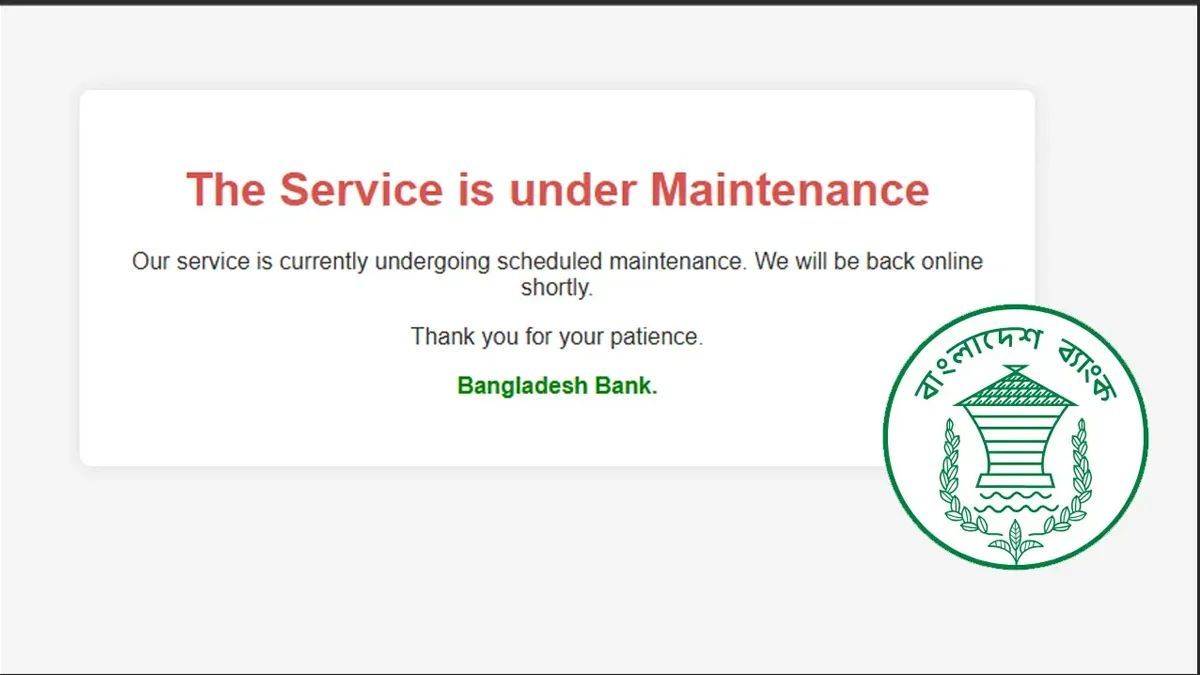
Bangladesh Bank website closed due to cyber security threat
3
News Desk: Bangladesh Bank's website has been temporarily shut down to prevent urg...
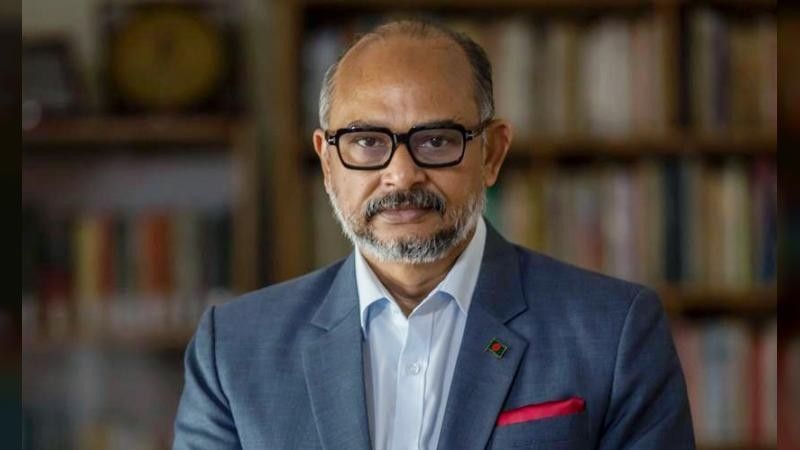
Economic Crisis Will Not Ease Without Reforms: PM's Econo...
4
News Desk: Dr. Rashed Al Mahmud Titumir, the Prime Minister's Adviser on Finance and Plann...
Government repays Tk 8,500 crore in foreign loans in two ...
5
Bangladesh repaid $698.92 million in foreign loans during July and August, the first two month...



মন্তব্য (0)