

- Open Discussion
West-Middle East conflict, time for Bangladesh to tap the $3 trillion African market: Can this opportunity be seized?
- Open Discussion
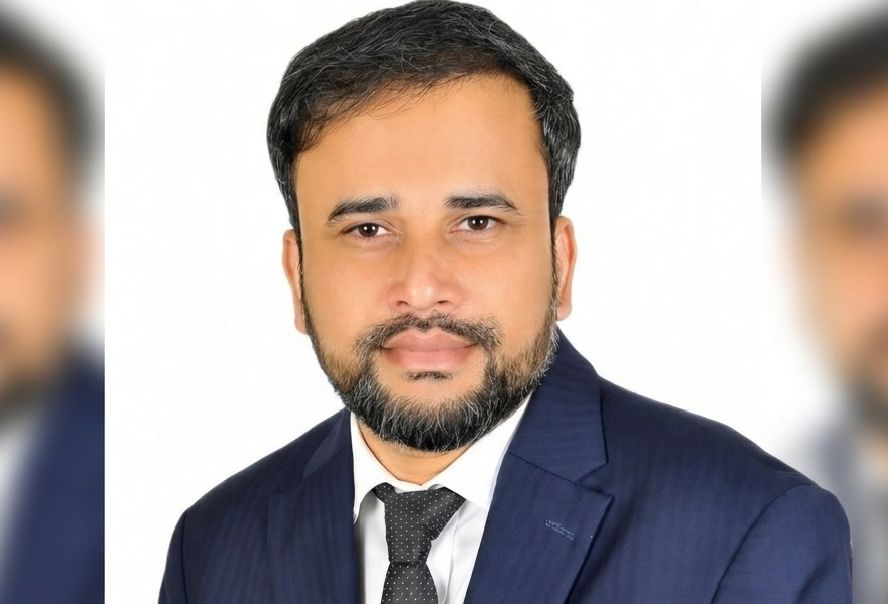
Photo: CNI
Misbah Chowdhury: World politics is changing rapidly. The Middle East conflict, the security crisis in Europe, the strategic competition between the United States and China, and the uncertainty of the global supply system have brought international trade to a new reality. In such a situation, Bangladesh's foreign policy and economic diplomacy must be more multifaceted, realistic, and future-oriented. Bangladesh should maintain balanced and mutually beneficial relations with all countries worldwide. However, simultaneously, special attention must be paid to this region, where the highest economic growth, population growth, and market expansion will occur in the next few decades.
Africa is a tremendous strategic opportunity for Bangladesh. Currently, Africa's combined economy is around 3.5 trillion US dollars, and the population of this continent is more than 1.5 billion. According to the United Nations, by 2050, Africa's population could potentially reach about 2.5 billion, and the economy could increase to $29 trillion. Preferential Trade Agreements (PTA/FTA) and tariff reduction are the new opportunities for Bangladesh. Africa's one of the main strengths of its economic potential is the African Continental Free Trade Area (ACFTA). One of many large free trade areas globally, where 54 countries are working to build a common market. This initiative is increasing intra-African trade, reducing tariff barriers and creating new investment opportunities. If Bangladesh can invest in agriculture, manufacturing or processing industries in one African country, then those products will have the opportunity to export to other African countries relatively easily. Essentially, by investing in one country, one gains a strategic advantage of possible access to the vast market of the entire continent.
Global rapid movement towards electric vehicles, renewable energy, artificial intelligence and high-tech industries demands for critical minerals such as cobalt, lithium, copper, graphite and manganese is expected to increase. Bangladeshi entrepreneurs should strengthen their traditional industries and position themselves in the global supply chain of these critical minerals through trade, processing, logistics and partnerships with Africa. Countries with investment and expertise in this sector will benefit from this global industry and trades of the future, while playing a crucial role.
To transform Bangladesh’s more than 180 million people into productive human resources, planned investments must be made now in future-oriented industries, technologies and strategic mineral-based economies. China’s progress has shown how a country can reach a leadership position in the global economy through planning, hard work and industrialisation. From Peacekeeping to Economic Diplomacy: Bangladesh’s contribution to UN peacekeeping missions in Africa is not just a military success; it is an invaluable diplomatic asset for the country. The trust, respect and goodwill that Bangladeshi peacekeepers have earned in various African countries through their professionalism, humanity and dedication over the years is one of Bangladesh’s biggest soft powers today. Now is the time to translate this achievement more effectively into foreign policy, trade, investment and strategic partnerships.

Algerian Independence Day: A Legacy of Freedom, Courage, ...
1
Decolonisation is the most radical change within the system of the twentieth century, the arch...
IBCCI promoting regional trade network within SAARC
2
President of the India-Bangladesh Chamber of Commerce and Industry (IBCCI) Md. Moshiur Rahman ...
Prime Minister Tarique Rahman’s “Bangladesh First” Doctri...
3
Dr Mohammad Tarikul Islam (MTI) is a Professor of Government and Politics at Jahangirnagar Uni...
Rohingya Repatriation May Take Years: Why Bangladesh Need...
4
Misbah Chowdhury: Bangladesh’s response to the Ro...
Kosovo Bangladesh Diplomatic Relations and Future Prospects
5
AKM SAYEDAD HOSSAIN:
Kosovo dec...



মন্তব্য (0)