
- বিশেষ প্রতিবেদন
The only hope on the Teesta's muddy sands in Ulipur is a horse-drawn carriage.
- বিশেষ প্রতিবেদন
ছবিঃ
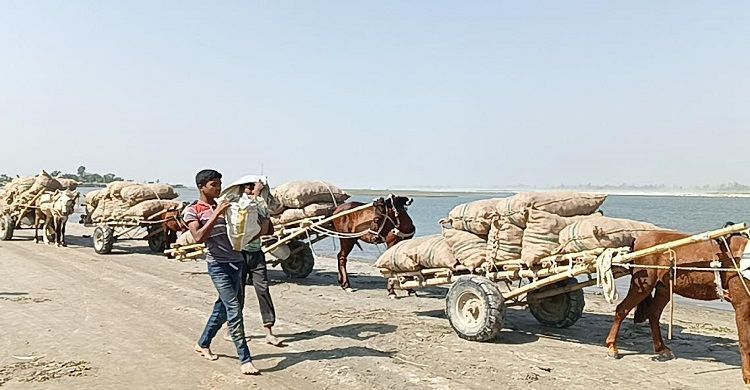
Kurigram Correspondent: Horse-drawn carriages are the only means of transportation for daily necessities and agricultural products in the Teesta chars of Ulipur, Kurigram. Since there are no roads, most horse-drawn carriage drivers are running from one char to another, risking their lives. As a result, horse-drawn carriages play a special role in transporting agricultural products produced in the chars. Except for the rainy season, there is almost no water in the Teesta River during the rest of the year. Although boats are the easiest means of communication for people living on the banks of the river and in the char areas, horse-drawn carriages are the means of transporting agricultural products.
It is known that the Bajra, Gunaigach, Thetrai and Daldalia unions of the upazila are surrounded by the Teesta River. During the dry season, the only means of communication for people in numerous chars including Gorai Peer, Ramniasha, Hokdanga, Titma, Nagrakura, Darikishorepur, Madhya Gorai, Kadamtala, Ajurn, Birhim, Santosh Abhiram, Sadua Damarhat, Karpura, Kharija Latshala and others is horse-drawn carriages, which sometimes break through the mud and sand.
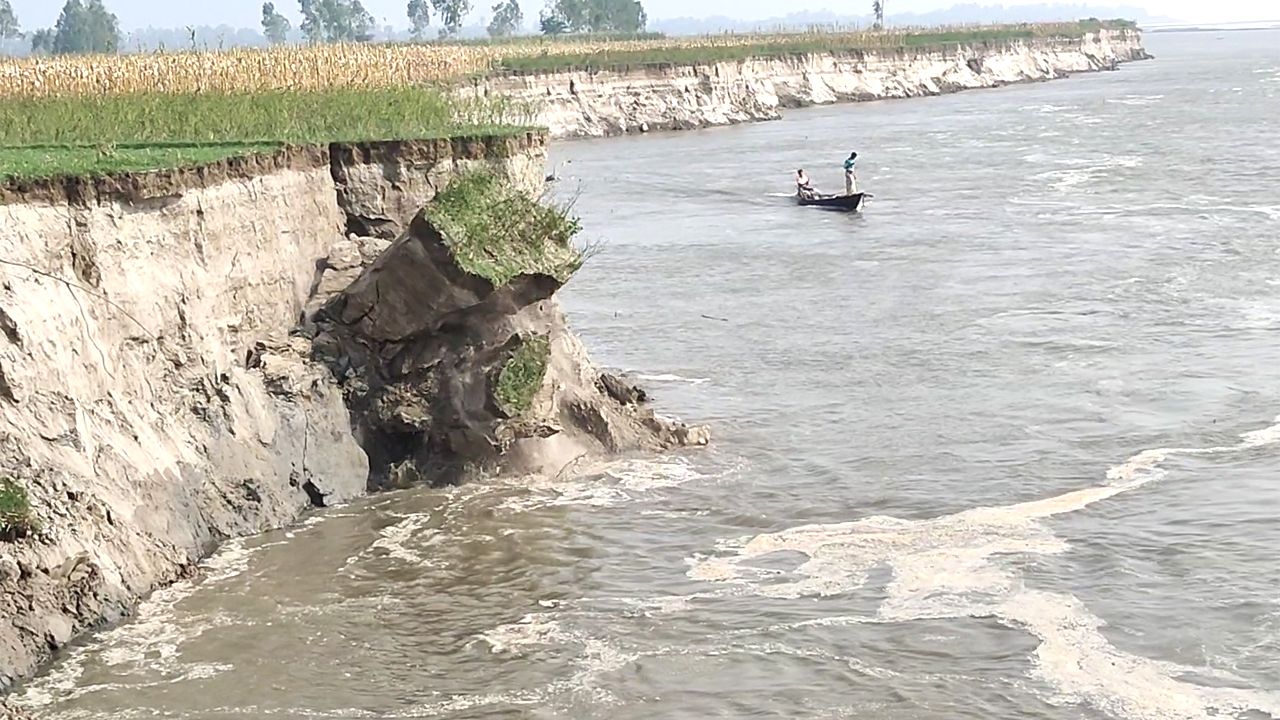
Due to the impact of climate change, rivers are drying up day by day. In the dry season, only sand is visible. The people of the char have invented this horse-drawn carriage to save their livelihood. As a result, the suffering of the people has been greatly reduced. Since there were no mechanical vehicles in the char areas, people in the past used to walk long distances on hot sand in the scorching heat and carry their products on their heads or on sticks on their necks. But after the introduction of horse-drawn carriages, the carriage has played a major role as the only means of transporting daily necessities of the people of the char areas, including the goods of traders. During the rainy season, the Teesta River regains its familiar form and youth, and the low-lying areas of the remote char are submerged in water. During this time, boats are the only means of transportation for the people of the char. However, during the dry season, the only main means of transportation is horse-drawn carriages. And many people in these remote char areas earn their living by horse-drawn carriages.
Locals said that during the dry season in the Teesta pastures, the water level in the river decreases and chars rise over a large area. It is absolutely impossible to use mechanical vehicles, vans, rickshaws, autos, and micros to travel in the pastures. Therefore, horse-drawn carriages are widely used as a means of transportation in this area. Since there are no roads in the pastures, the people of the pastures are in a dilemma because mechanical vehicles do not ply here. Ignoring these problems, they use non-mechanical horse-drawn carriages to carry out their daily work. These vehicles transport farmers' goods, take sick people to the boat pier to take them to the Upazila Health Complex, take the products produced in the pastures from one place to another for sale, and serve as the only means of internal transportation for the people of the pastures. They claim that if a bridge is built for our movement, on the one hand, it will save a lot in bringing and taking agricultural products. On the other hand, it will be easier to take sick patients to the Upazila Health Complex. Therefore, they strongly demand the construction of a bridge.
Ruhul Amin, a horse-drawn carriage driver from the Gotaipiar char area of the upazila, said, "There are always different types of cultivation in the Teesta char area. Currently, potatoes are cultivated. I transport sacks from different char areas to the ghat by horse-drawn carriage at a rate of 30 taka per sack. In this way, about 50 sacks can be brought to the ghat a day. That earns me 1,000 to 1,500 taka per day. I spend 250 taka on horse food every day. My family lives well with the remaining money."
Horse-drawn carriage drivers Madhu Mia, Quddus Mia, Lal Mia and Asadul Islam and many others said that horse-drawn carriage work continues for 4-5 months during the dry season in the Teesta Char. In mid-May, when the Teesta River floods, horse-drawn carriage work stops.
Since then, they have been waiting for the Teesta River to dry up again.
Anarul Islam, a potato farmer in Teesta Char of the upazila, said, "I have brought 3,400 sacks of potatoes cultivated on my 20 acres of land to the ghat in a single horse-drawn cart. I have paid the transportation cost of the horse-drawn cart at Tk 30 per sack." He also said, "If a bridge had been built for transportation, it would have saved a lot in carrying our products."
Suhrawardy, the owner of the ghat in Panial on the Teesta bank of the upazila, said that now the water in the Teesta river is very low. The char has been flooded, where sand and sand have been left. The only way to carry agricultural products in this char area is by horse-drawn cart. When the water comes to the river and the river comes back to life, the river is crossed by boat. Agricultural products from different char areas are being transported from one side to the other in horse-drawn carts. When the water in the Teesta decreases, the goods are crossed by horse-drawn carts on a slight water level, he said.
Comments (0)
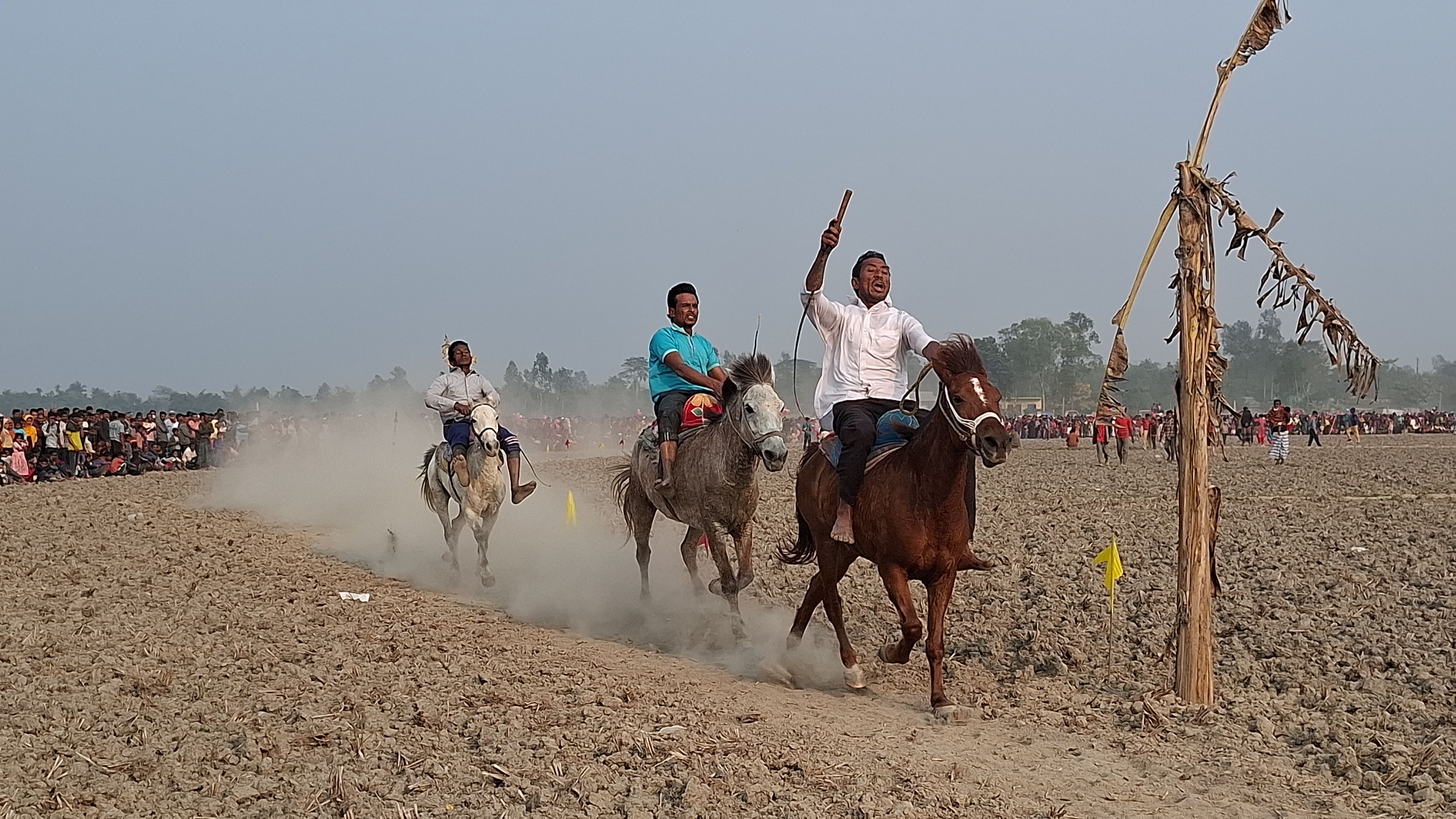
জামালপুরে ঐতিহ্যবাহী ঘোড়া দৌড়, দর্শনার্থীদের উপচে পড়া ভিড়
১
জামালপুর প্রতিনিধি : জামালপুরের মেলান্দহে অনুষ্ঠিত হলো ঐতিহ্যবাহী ঘোড়া দৌড় প্...
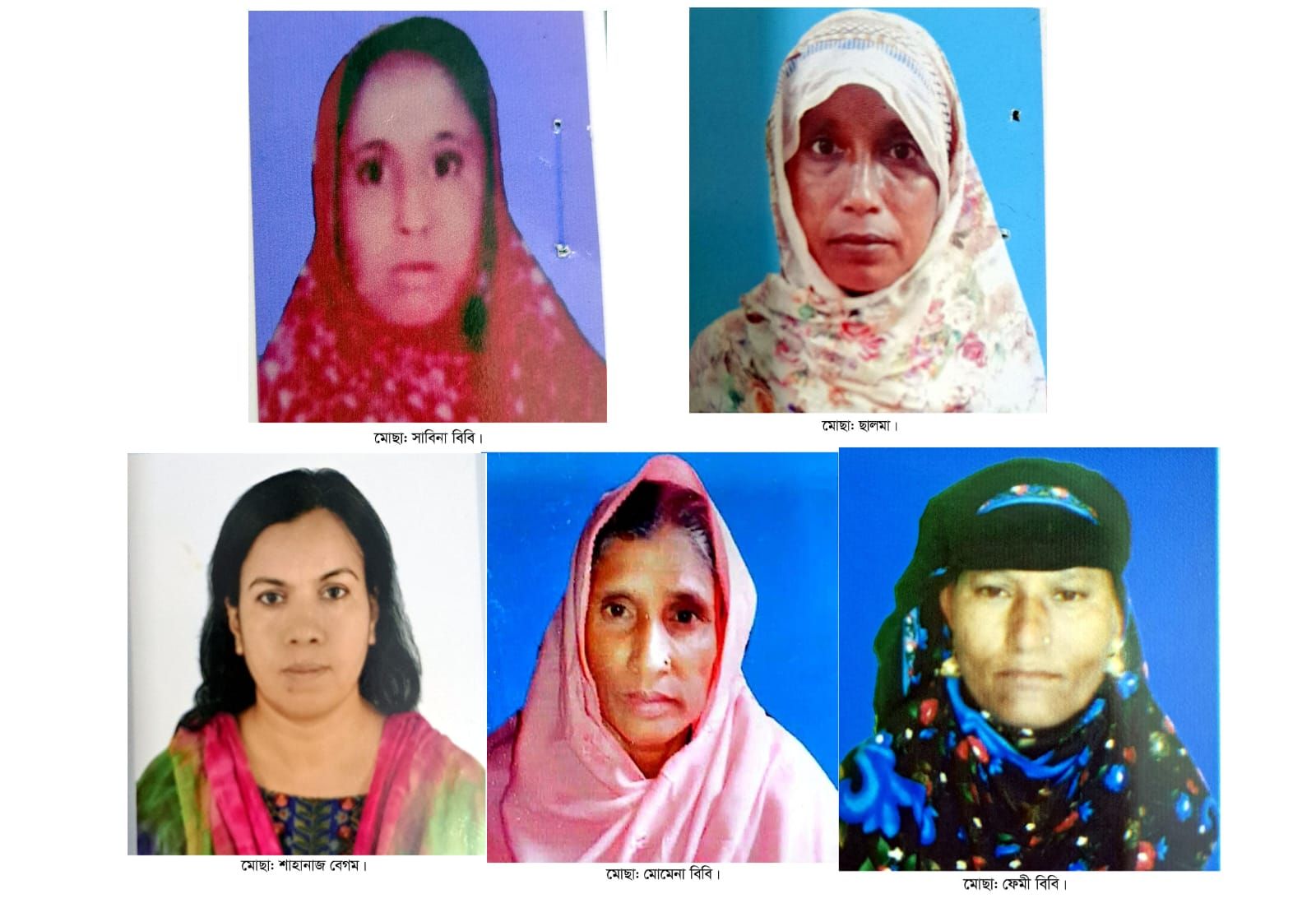
রাণীনগরের অদম্য পাঁচ নারীর জীবন যুদ্ধের সফলতার গল্প
২
নওগাঁ প্রতিনিধি: সমাজের এমন কিছু নারী রয়েছেন যারা প্রতিনিয়তই...

৪ ডিসেম্বর: ইতিহাসের এই দিনে স্মরণীয় যত ঘটনা
৩
নিউজ ডেস্ক : বিশ্বব্যাপী প্রতিদিন ঘটছে নানা ঘটনা। সেসব ঘটনাই...
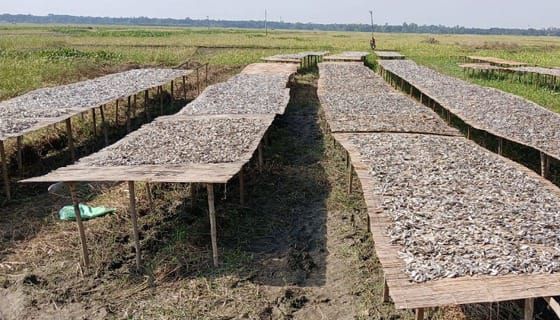
মাছ সংকটে পড়েছে চলনবিলের শুঁটকি চাতালগুলো: উৎপাদনে ধস
৪
পাবনা প্রতিনিধিঃ মাছের রাজ্য চলনবিলে এবার মাছের আকাল। পর্যাপ...
রাণীনগরের পাখি পল্লী পর্যটন এলাকায় নির্মাণ হচ্ছে দৃষ্টিনন...
৫
নওগাঁ প্রতিনিধি: নওগাঁর পর্যটন এলাকাগুলোর মধ্যে অন্যতম জেলার...



মন্তব্য (০)