

- Lead News
- National
Government Aims to Transform the Country into an Employment-Oriented Economy: Muqtadir
- লিড নিউজ
- National
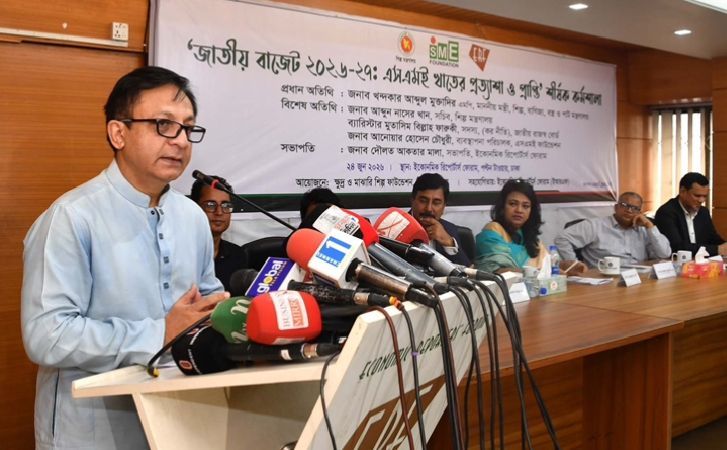
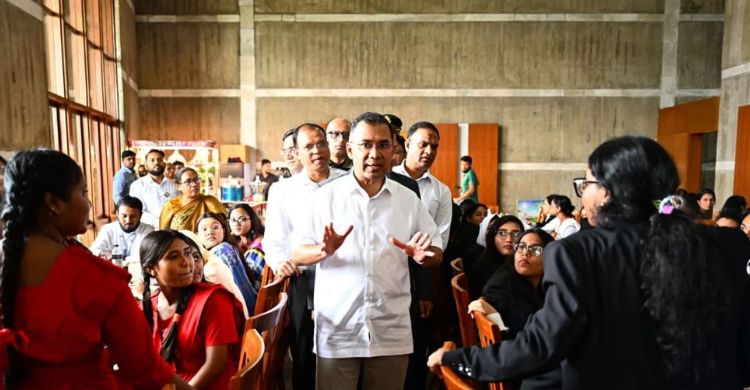
Photo: Collected
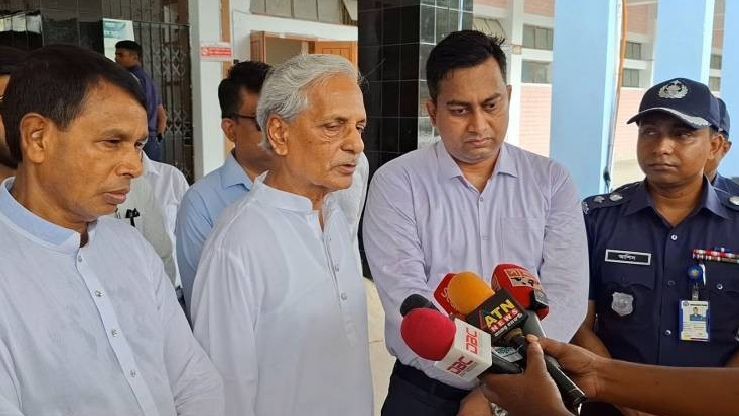
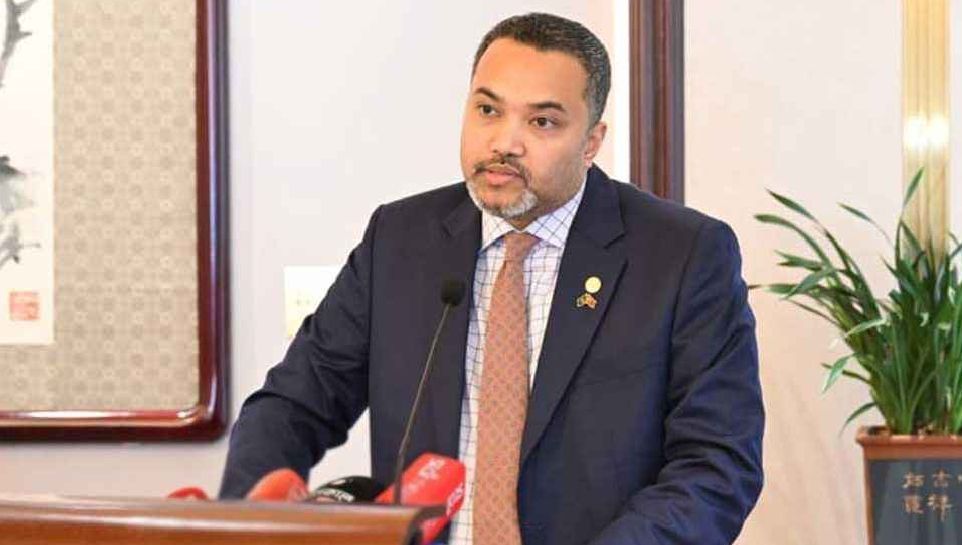
News Desk: Industries, Commerce, Textiles, and Jute Minister Khandaker Abdul Muqtadir has said that the government's goal is to transform Bangladesh into a more investment-friendly, competitive, and employment-driven economy.
He said, “To achieve this objective, the Micro, Small, and Medium Enterprise (MSME) sector is being given the highest priority. The greater the number of small and medium entrepreneurs in the economy, the more widespread economic activity becomes, strengthening purchasing power and the overall economic flow.”
He made these remarks today while addressing a workshop titled “National Budget 2026–27: Expectations and Achievements of the SME Sector,” organized by the Economic Reporters Forum (ERF) in the capital as the chief guest.
The workshop was chaired by ERF President Daulat Akter Mala. Special guests included National Board of Revenue (Tax Policy) Member Barrister Mutasim Billah Faruqui, SME Foundation Managing Director Anwar Hossain Chowdhury, while the keynote paper was presented by SME Foundation General Manager Mohammad Jahangir Hossain.
The Commerce Minister said that according to the Economic Census conducted by the Bangladesh Bureau of Statistics (BBS), there are approximately 11.7 million business establishments engaged in economic activities across the country, the majority of which belong to the MSME sector. The sector contributes 34 percent to the national GDP.
Muqtadir further stated that the upcoming budget proposes around BDT 78 billion (7,800 crore) in incentives and support programs for the MSME sector. In addition, BDT 5 billion (500 crore) has been allocated for the CMSME sector from the BDT 600 billion (60,000 crore) stimulus package announced by Bangladesh Bank.
He added that BDT 2 billion (200 crore) of this allocation will be distributed as low-interest loans under easy terms. Furthermore, a special fund of BDT 500 crore has been established for startups and women entrepreneurs, while another BDT 300 crore has been allocated to support the creative economy.
The minister noted that the government is implementing a range of initiatives, including the “One Village, One Product” program, the creation of a national designer pool, updated SME cluster mapping, youth entrepreneurship development, startup support, mentorship programs, skills development initiatives, and the establishment of an entrepreneur database.
Regarding Bangladesh’s graduation from Least Developed Country (LDC) status, he said the country has already met all three required criteria. However, additional preparation is needed to ensure a smooth and sustainable transition. For this reason, the government has requested a three-year extension to the graduation timeline.
The Industries, Commerce, Textiles, and Jute Minister also said that ensuring a stable energy supply would allow existing industrial enterprises to operate at full production capacity. At the same time, there are plans to gradually transfer non-performing state-owned industries to the private sector.
He further stated that strategic reserves of imported commodities and energy products will be established to help maintain economic stability during global crises or supply disruptions.
Emphasizing the need to reduce logistics costs, Muqtadir said that Bangladesh’s logistics expenses currently account for approximately 16 percent of GDP, compared to the global average of around 10 percent. He added that initiatives will be taken to lower these costs through improved port management, greater supply-chain efficiency, and enhanced product traceability.
Government aims to export livestock products after meetin...
1
DHAKA, June 28 (CNI): The government aims to expand exports of livestock prod...
PM's Foreign Affairs Adviser meets international climate ...
2
DHAKA, June 28 (CNI): Prime Minister's Foreign Affairs Adviser Hu...
Students must be prepared to build a prosperous Banglades...
3
DHAKA, June 28 (CNI): Prime Minister Tarique Rahman on Sunda...
Students must be prepared to build a prosperous Banglades...
4
DHAKA, June 28 (CNI): Prime Minister Tarique Rahman on Sunda...
Switzerland keen to help develop Bangladesh's skilled wor...
5
DHAKA, June 28 (CNI): Switzerland is interested in working with Bangladesh to...



মন্তব্য (0)